

Mini Split Repair in Roswell, GA
.webp)
Mini Split repair in Roswell, GA provides guidance on diagnosing and fixing cooling and heating issues quickly. The page outlines common symptoms such as poor airflow, unusual noises, water leaks, and ice buildup, and explains likely causes for each. It describes a step-by-step diagnostic process, typical repair times, parts replacement strategies, and warranty considerations. It also offers urgent-repair guidance, safety tips for waiting, and preventive maintenance to extend system life in Roswell's humid climate. Get expert help quickly and protect comfort year round.
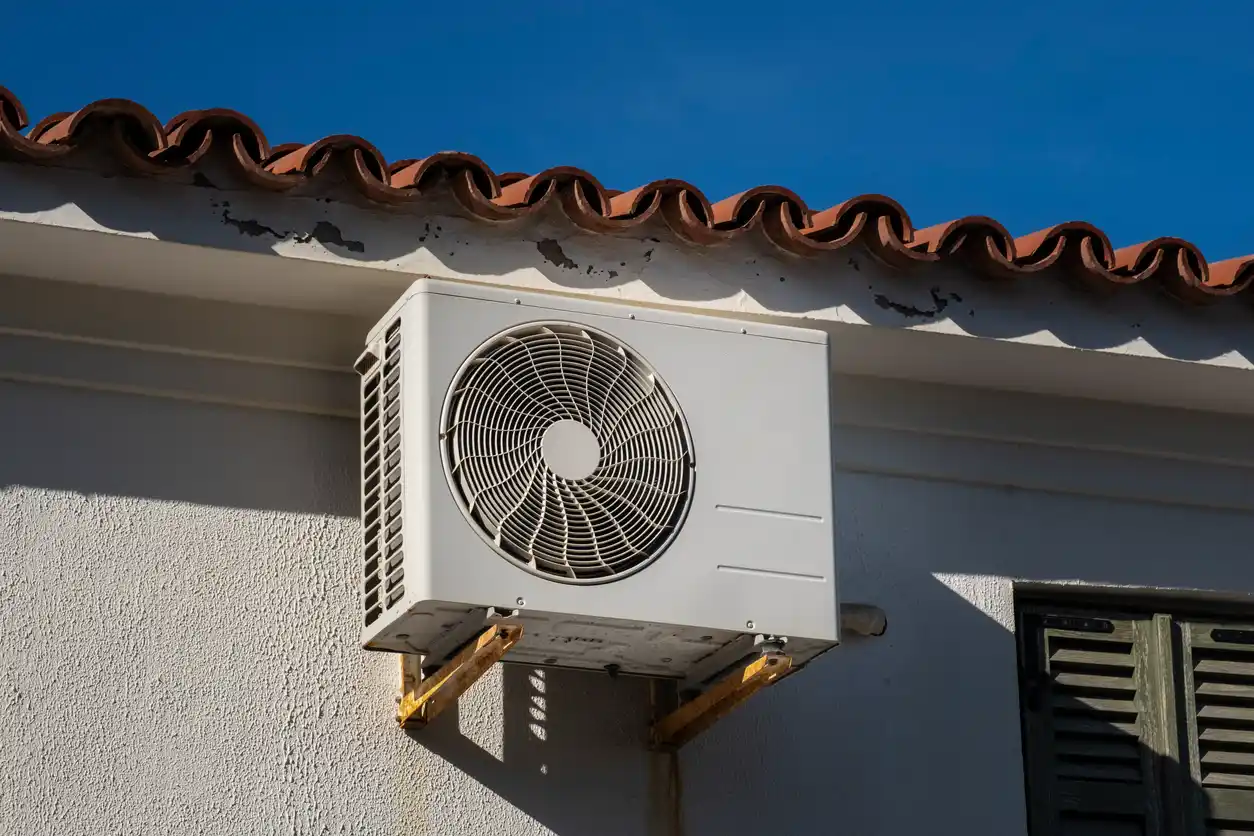
Mini Split Repair in Roswell, GA
Mini Split repair in Roswell, GA focuses on restoring reliable, efficient cooling and heating for homes dealing with the region's hot, humid summers and occasional temperature swings in shoulder seasons. Whether you need an emergency fix during a heat wave or a scheduled service to prevent future breakdowns, this page explains common symptoms, likely causes, our diagnostic approach, parts replacement options, warranty considerations, typical response times, and practical guidance for arranging urgent repairs in Roswell homes.
Why timely Mini Split repair matters in Roswell, GA
Roswell’s humidity and high summer temperatures put extra stress on Mini Split systems. Clogged filters, high refrigerant demand, and frequent cycling from power fluctuations during thunderstorms are common regional issues. A minor symptom left unchecked can reduce efficiency, raise energy bills, and shorten equipment life. Fast, correct repairs restore comfort and avoid larger replacements later.
Common Mini Split symptoms and causes
Understanding symptoms helps you decide whether a repair is urgent and what might be causing it. Common issues seen in Roswell homes include:
- No cooling or weak airflow
- Causes: low refrigerant, failing compressor, blocked air filter, closed louvers, or outdoor unit obstruction.
- Unusual noises (rattling, grinding, hissing)
- Causes: loose mounting, worn fan motor bearings, failing compressor, refrigerant leak (hissing), or debris in the fan.
- Water leaks or pooling under indoor unit
- Causes: clogged condensate drain, misaligned drain line, damaged condensate pump, frozen coil from low refrigerant.
- Unit won’t start or intermittent operation
- Causes: electrical faults, tripped breakers, bad capacitors, faulty control board, or thermostat/sensor failure.
- Ice buildup on the indoor evaporator coil
- Causes: low refrigerant charge, poor airflow, dirty coil, or blown fan motor.
- Burning smell or smoke
- Causes: electrical short, overheated motor, or burnt wiring; any burning odor should be treated as an emergency.
Step-by-step diagnostic approach
A structured diagnostic process ensures accurate repair and avoids unnecessary part swaps. Typical steps performed during a service visit:
- Initial triage and safety checks
- Confirm symptoms, system history, and whether the issue is urgent. Verify power is safe and breakers are in proper position.
- Visual inspection
- Check indoor and outdoor units for debris, visible leaks, damaged fins, loose panels, and proper airflow.
- Filter and airflow assessment
- Inspect and measure airflow, check filters, blower wheel, and indoor unit vane operation.
- Electrical testing
- Test capacitors, contactors, relays, fuses, and control board voltages. Look for signs of arcing or burnt components.
- Refrigeration system checks
- Measure system pressures and temperatures to identify low charge, restriction, or overheating. Use approved leak-detection methods for suspected refrigerant leaks.
- Component testing
- Test motors, compressor operation, sensors, and thermostats under load.
- Functional run test
- Operate the system to confirm the fault, monitor cycle behavior, and verify repairs after parts replacement.
- Diagnosis summary and repair plan
- Provide a clear list of recommended repairs, parts required, and expected repair time to return the system to normal operation.
Parts replacement and common repairs
Mini Split repairs often involve replacing specific wear components rather than whole systems. Common replacement parts include:
- Compressor or compressor components
- Indoor blower motor and fan wheel
- Outdoor fan motor
- PCB control board and remote receivers
- Capacitors and contactors
- Reversing valves and expansion devices
- Thermostats and temperature sensors
- Evaporator or condenser coils (in severe damage)
- Refrigerant lines, driers, and service valves
- Condensate pumps and drain components
When parts are replaced, certified refrigerant recovery, evacuation, and recharge are performed following EPA regulations and manufacturer specifications. OEM parts generally preserve system performance and warranty compliance, while quality aftermarket parts may be used depending on availability and warranty conditions.
Warranty, parts information, and refrigerant handling
Warranty coverage varies by manufacturer and component. Typical considerations:
- Manufacturer warranties often cover compressors and heat exchangers for longer terms, while smaller components have shorter coverage.
- Labor warranties may be offered separately for repairs; ask about the duration and what it covers.
- Using OEM parts helps maintain manufacturer warranties. Aftermarket parts can be appropriate but may affect warranty status.
- Refrigerant work follows federal and state regulations. Technicians handling refrigerants must be EPA-certified and use proper recovery and charging equipment. Common refrigerants in newer systems include R-410A; older systems may use different types.
Expected response times and repair duration
Response expectations balance urgency and thorough diagnostics:
- Emergency situations (no cooling during extreme heat, burning smell, leaking water causing damage) typically require same-day or next-few-hours response, depending on availability and time of day.
- Scheduled repairs and non-urgent diagnostics are usually handled within a few business days.
- Typical on-site diagnostic visits take 30 minutes to 90 minutes. Repairs that require parts removal and replacement often take 1 to 4 hours. Complex jobs like compressor change-outs or refrigerant line repairs can extend to a full day or require multiple visits.
Keep in mind that local factors such as storms, high seasonal demand, and parts availability can affect response and completion times in Roswell.
Guidance for booking urgent repairs and what to have ready
When arranging an urgent service appointment, preparing key information helps the technician triage and arrive ready:
- System make, model, and approximate age. A photo of the indoor and outdoor unit nameplates is very helpful.
- Clear description of symptoms and when they began (e.g., "no cooling since last night," "leaking continuously").
- Any recent events: storms, power outages, or DIY attempts.
- Accessibility details: where units are located, gated access, parking constraints, or pets.
- Preferred availability window for repairs.
Safety tips while waiting for service:
- If you detect burning smells or smoke, cut power to the unit at the breaker and keep people away from the equipment.
- For water leaks, place towels or containers to limit damage, but avoid standing water near electrical components.
- Do not attempt refrigerant recovery or add refrigerant yourself. Refrigerant handling requires certified equipment and training.
- Avoid opening electrical panels or attempting electrical repairs without certification.
Preventive advice and long-term benefits
Regular maintenance reduces emergency repair risk and maintains efficiency in Roswell’s climate. Simple steps that make a difference:
- Replace or clean filters every 1 to 3 months during heavy use seasons.
- Keep outdoor units clear of leaves, pollen, and grass clippings.
- Schedule annual professional tune-ups before peak cooling season to inspect refrigerant charge, electrical components, and airflow.
- Address minor noises or performance drops early to avoid compressor failure and larger expenses.
Mini Split repair in Roswell, GA focused on prompt, accurate diagnosis and lasting repairs keeps systems running efficiently through humid summers and variable weather. Properly handled repairs and preventive care protect comfort, indoor air quality, and long-term equipment value.
Customer
Testimonials


Service Areas