Mini Split Replacement in Johns Creek, GA
.webp)
Mini Split replacement in Johns Creek, GA presents a clear path to improved comfort, humidity control, and energy efficiency. This guide outlines when replacement is preferable to repair, considerations for sizing with a proper load calculation, and upgrade options like inverter heat pumps and multi-zone systems tailored to local homes. It also covers removal, installation steps, and post-install maintenance to protect warranties. Expect better temperature consistency, quieter operation, and long-term cost savings with a correctly configured, professionally installed Mini Split.
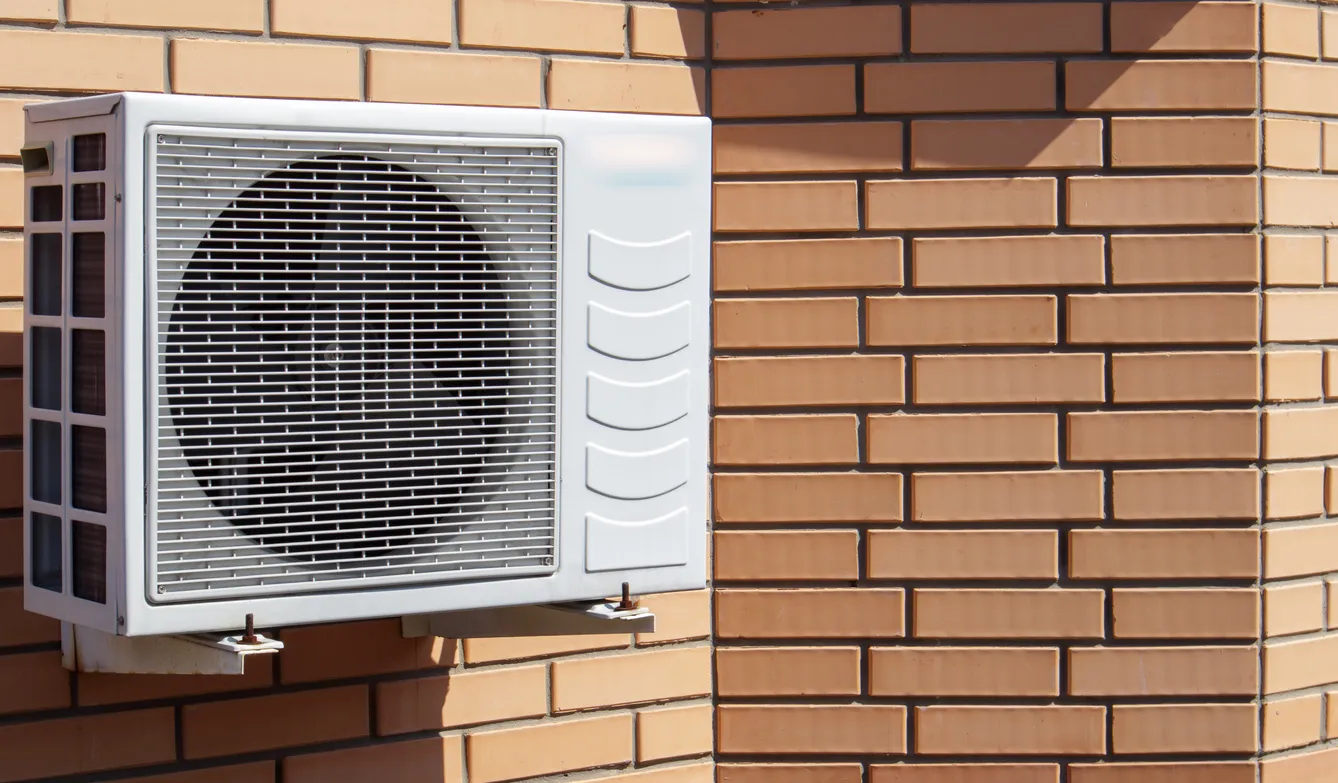
Mini Split Replacement in Johns Creek, GA
Upgrading or replacing a ductless Mini Split in Johns Creek, GA is a practical choice when comfort, indoor humidity control, and energy efficiency matter. With hot, humid summers and mild winters, homes in Johns Creek place heavy seasonal demand on cooling equipment. Proper evaluation and replacement of an aging or inefficient Mini Split can deliver steadier temperatures, lower utility usage, and better humidity management—important benefits for local homeowners.
When to replace vs repair a Mini Split
Knowing whether to repair or replace a Mini Split depends on age, symptoms, and long-term cost-effectiveness.
Common signs replacement is recommended:
- Unit is more than 10 to 12 years old and showing repeated failures.
- Frequent refrigerant leaks or compressor failures.
- Cooling capacity has noticeably declined despite maintenance.
- Repair costs approach or exceed roughly half the expected cost of a comparable new system.
- New efficiency standards or desired features (Wi-Fi control, multi-zone capability) that older equipment cannot offer.
Situations where repair may be appropriate:
- Single, low-cost issues such as a failed fan motor or a minor electronic control problem.
- Recent replacements of major components (compressor or inverter) where the system’s remainder is in good condition.
- Short-term owners planning a near-term sale where immediate replacement is not economical.
Evaluating your existing ductless system
A proper evaluation includes both performance checks and an inspection of installation-related factors that affect longevity:
- Age and service history of indoor and outdoor units.
- Capacity vs. current room load: undersized units struggle to maintain setpoints.
- Refrigerant level and leak detection.
- Electrical supply, breaker sizing, and control wiring condition.
- Indoor unit airflow, coil condition, and drain line health for humidity control.
- Outdoor unit clearance, mounting, and fan operation.
- Line set length and condition—excessively long or poorly insulated lines reduce efficiency.
An accurate load calculation (Manual J style) and inspection of the site are essential to confirm correct sizing and optimal equipment placement.
Upgrade options for Johns Creek homes
Upgrading gives you choices tailored to local needs:
- High-efficiency inverter heat pumps: variable-speed compressors deliver steady temperatures and better humidity control—valuable in Johns Creek’s humid climate.
- Multi-zone systems: one outdoor unit serving multiple indoor heads for whole-home comfort without ductwork.
- Higher SEER/EER models: improved seasonal efficiency reduces cooling costs during long summers.
- Enhanced humidity-control models and pump-assisted drain systems to prevent condensation issues in humid months.
- Low-noise indoor head designs and slim cassettes for aesthetic and acoustic preferences in bedrooms and living areas.
- Smart controls and zoning integration for scheduling, remote control, and demand-based operation.
Choosing the right configuration depends on home layout, insulation, window exposure (sunrooms and south-facing rooms increase cooling load), and whether you need heating during cool Georgia nights.
Removal and disposal of old equipment
Proper removal follows environmental and safety standards:
- Refrigerant recovery: all refrigerant must be recovered and reclaimed per federal and state regulations. Unauthorized venting is illegal.
- Safe disconnection of electrical and refrigerant lines.
- Careful removal of indoor units and outdoor condensing unit to avoid property damage.
- Recycling and disposal of metal, copper, and PCB components per local waste rules.
Documented disposal and refrigerant recovery are often required to maintain warranty transferability and to comply with local code.
Installation process and what to expect
A professional replacement typically follows these steps:
- Site survey and load calculation to confirm sizing and placement.
- Removal of old system and recovery of refrigerant.
- Preparation of mounting locations for new indoor and outdoor units.
- Installation of refrigerant line sets, drain lines, and electrical connections.
- Vacuuming the refrigerant lines and charging the system with the correct refrigerant charge.
- System startup, leak testing, and calibration of controls.
- Commissioning: verifying capacity, checking superheat/subcooling, and confirming defrost and heat mode operation.
- Owner orientation on use, filter maintenance, and Wi-Fi or thermostat setup if applicable.
- Documentation of installation parameters and warranty registration.
Proper commissioning in Johns Creek’s humid conditions ensures the system dehumidifies effectively without short cycling.
Expected performance improvements
Replacing an older Mini Split with a modern, correctly sized unit provides measurable benefits:
- Greater energy efficiency and reduced cooling bills, particularly during high outdoor temperatures.
- Improved temperature consistency with fewer hot or cold spots.
- Better humidity control, reducing mold risk and improving comfort in hot, humid months.
- Quieter operation and smoother start/stop behavior with inverter compressors.
- Longer useful service life and fewer emergency repairs when installed correctly.
Efficiency gains depend on model choice and installation quality; modern systems can deliver substantial improvements over decade-old equipment.
Cost comparisons: repair vs full replacement
When evaluating cost-effectiveness:
- If major components like the compressor or inverter need replacement and the unit is older than 10 years, replacement is usually the better long-term investment.
- Small repairs (controls, fans, minor leaks) can be cost-effective when the system is otherwise sound.
- Consider lifecycle costs: ongoing repairs, higher operating costs of older low-efficiency units, and the value of improved comfort and humidity control.
- Factor in any required electrical service upgrades or permit costs that facilitate safe, compliant installation.
Using percentage thresholds (repair cost exceeding roughly 50% of a new replacement) and considering expected remaining life helps guide the decision.
Warranties and protections
Warranty coverage is an important part of the replacement decision:
- Manufacturer warranties: typically include parts coverage and may offer extended compressor warranties (often several years when registered). Terms vary by manufacturer and model.
- Labor warranties: many professional installations include a labor warranty for a defined period to cover installation-related issues.
- Registration: warranty benefits often require timely registration by the installer or homeowner.
- Extended coverage: some manufacturers or third parties offer extended parts or labor protection plans for additional peace of mind.
Confirm warranty terms in writing, including what actions (like professional maintenance) are required to keep warranties valid.
Maintenance tips after replacement
To preserve efficiency and warranty coverage:
- Clean or replace filters every 1–3 months depending on use and indoor air quality.
- Keep indoor heads and outdoor condensers clear of obstructions and debris.
- Schedule annual professional tune-ups, especially before peak cooling season.
- Monitor drain lines and condensate pans for clogs during humid months.
- Keep outdoor unit shaded where possible but with adequate airflow.
A properly selected and installed Mini Split replacement can deliver years of efficient, reliable climate control for Johns Creek homes while addressing the region’s specific comfort challenges.
Customer
Testimonials


Service Areas