

Mini-split Repair in Johns Creek, GA
.webp)
Mini-split repair in Johns Creek, GA focuses on restoring reliable system performance through expert diagnosis and targeted solutions. Services address common issues such as compressor and inverter faults, refrigerant leaks, drainage problems, airflow restrictions, and sensor errors. The process includes clear, evidence-based troubleshooting, repair timelines, and guidance on parts and warranty coverage. Homeowners also receive practical maintenance tips, guidance on when to request emergency service, and strategies to extend equipment life while maintaining energy efficiency.
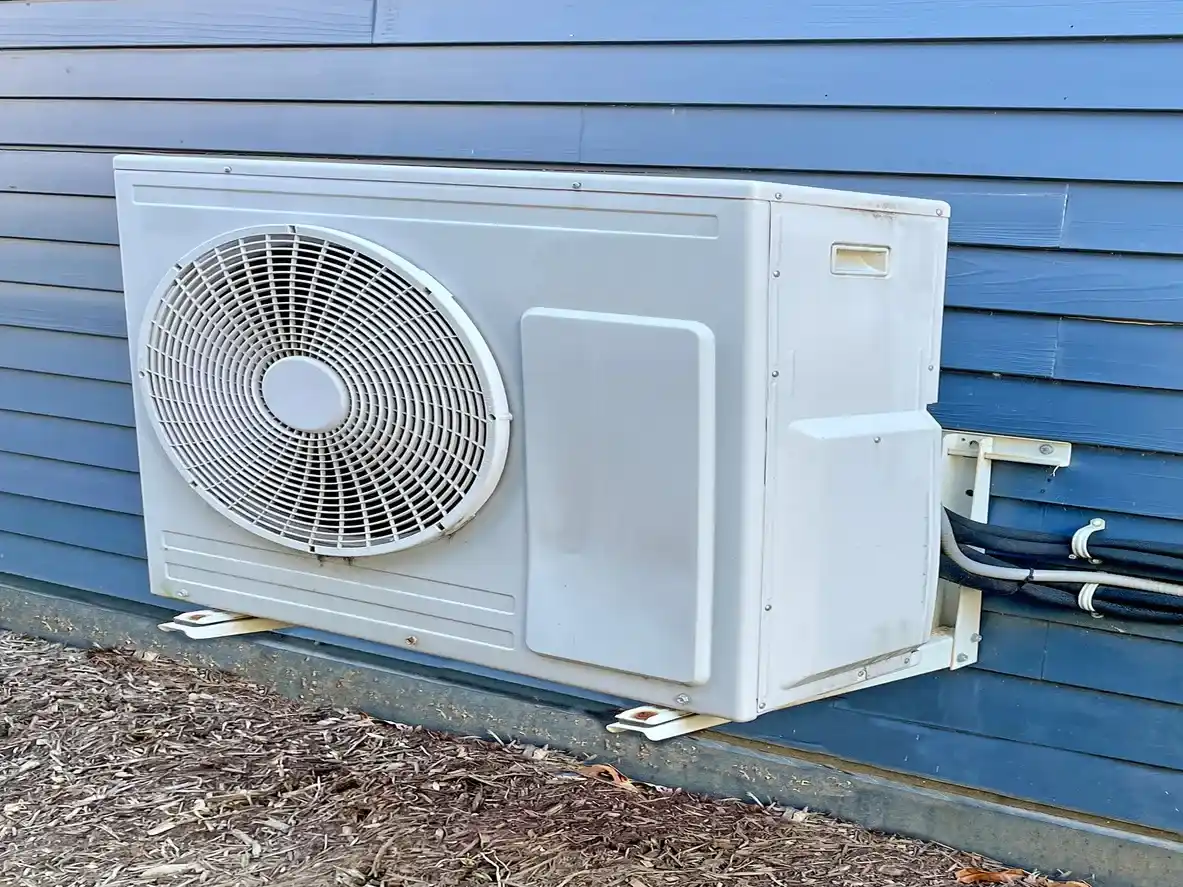
Mini-split Repair in Johns Creek, GA
Mini Split Repair in Johns Creek, GA focuses on getting your ductless heating and cooling system back to reliable performance fast. In Johns Creek’s hot, humid summers and unpredictable storms, a failed Mini Split can make a living space uncomfortable quickly. Whether you need emergency service for a sudden breakdown or scheduled repairs after a seasonal tune-up, this page explains common failures, how problems are diagnosed, typical repair timelines, parts and warranty considerations, and practical tips to avoid repeat issues.
Why timely Mini Split repair matters in Johns Creek homes
Johns Creek’s humid climate increases system run times and accelerates wear on key components like compressors, fan motors, and electronic boards. Allergens and pollen can clog outdoor units and indoor coils, reducing airflow and forcing the system to work harder. Addressing issues early prevents secondary damage (frozen coils, compressor burnout, or refrigerant contamination) and restores efficiency so you use less energy during peak cooling months.
Common mini-split failures in Johns Creek
- Compressor failure
Symptoms: Unit does not produce cold or hot air, loud banging or humming from the outdoor unit, or frequent short cycling. Causes include electrical stress, low refrigerant, or age-related mechanical wear. - Inverter or electrical faults
Symptoms: Error codes on the indoor display, unit failing to start, or intermittent operation. Inverter electronics are sensitive to power surges and lightning, which can occur during local storms. - Refrigerant leaks
Symptoms: Weak cooling, ice on the evaporator coil, or hissing sounds. Leaks cause low pressure and reduced capacity; they also risk compressor damage if left unrepaired. - Drainage and condensate problems
Symptoms: Indoor unit dripping, water stains, or mold smell. Humid conditions in Johns Creek make proper drain operation critical. - Airflow restrictions and dirty coils
Symptoms: Reduced performance, longer runtimes, and higher energy use. Pollen and dust accumulation in spring and summer is a common local contributor. - Control or sensor failures
Symptoms: Incorrect temperature readings, erratic cycling, or units running in wrong modes.
How we diagnose mini-split problems
Diagnostics are focused, evidence-based, and designed to identify both the immediate failure and underlying causes so repairs last.
- Initial visual inspection of indoor and outdoor units for obvious damage, debris, or disconnected lines.
- Check error codes and controller logs to pinpoint electronic or inverter faults. Modern Mini Splits store fault histories that speed diagnosis.
- Electrical testing for correct voltage, current draw, and continuity to confirm whether the compressor, fan motors, or control board are receiving and using power properly.
- Refrigerant system evaluation using gauges and leak detection tools to measure pressure, locate leaks, and determine if recovery and recharge are necessary.
- Airflow and coil temperature checks to assess performance and spot blocked coils or low refrigerant indicated by abnormal temperature differentials.
- Condensate and drainage inspection to identify clogs or improper pitch that cause water backups.
- Operational run test to observe startup behavior, cycling, unusual noises, and temperature response.
Diagnostics are explained in plain language so you understand the problem, the recommended repair, and why it is the right choice.
Typical repair services offered
- Emergency startup and temporary fixes to restore comfort after sudden failure.
- Compressor replacement or reconditioning when mechanical failure is confirmed.
- Inverter module and control board repair or replacement for electrical faults.
- Refrigerant leak repair, evacuation, and recharge following industry-standard recovery procedures.
- Fan motor, capacitor, and blower repairs for airflow issues.
- Drain line clearing and condensate pan repairs to stop indoor leaks.
- Sensor replacement, remote control repair, and thermostat recalibration.
- System performance tuning after repair to verify efficiency and proper cycling.
Parts and warranty considerations
- OEM vs aftermarket parts: Many manufacturers recommend OEM parts for best compatibility, especially for inverter electronics. Aftermarket components may fit but can affect long-term reliability.
- Warranty basics: Manufacturer parts and compressor warranties vary; many compressors carry multi-year warranties while electronic components may have shorter coverage. Labor warranties from service providers commonly cover workmanship for a limited period. It is important to review the original equipment warranty before repair to understand coverage and avoid voiding terms.
- Documentation: Proper documentation of the diagnosis and repair helps with warranty claims and future service records.
Estimated repair timelines
- Diagnostic visit: Typically completed in 1 to 2 hours for most systems.
- Minor repairs (capacitor, fan motor, sensor): Often completed the same day once parts are on hand.
- Inverter/control board replacement: Usually completed within a few hours to a day, depending on part availability.
- Compressor replacement: More involved; expect a 1 to 2 day turnaround in many cases due to refrigerant recovery, line evacuation, and pressure testing.
- Refrigerant leak detection and repair: Can range from same-day fixes (easy-to-access leaks) to multiple days for hard-to-locate leaks or when line section replacement is required.
Factors that influence timelines include part availability, system accessibility, and the need for specialized leak detection tools.
Preventative tips to avoid repeat issues
- Seasonal filter and coil cleaning: Replace or clean filters and have coils inspected before peak cooling months to reduce pollen-clogging and maintain airflow.
- Keep outdoor units clear: Trim vegetation and remove debris around the outdoor unit to ensure proper airflow and reduce corrosion.
- Watch for error codes: Don’t ignore intermittent error messages—early diagnosis often prevents major component failure.
- Manage humidity and drainage: Ensure condensate lines are clear and that indoor units have proper clearance to prevent bacterial growth and drainage backups.
- Surge protection: Install surge protection to guard electronic inverters from storm-related electrical spikes common in the region.
- Regular professional tune-ups: Annual or bi-annual inspections help identify small issues before they become expensive repairs, especially in humid climates like Johns Creek.
Timely, informed repairs extend equipment life, restore energy-efficient operation, and reduce the chance of inconvenient failures during the hottest days. Understanding the likely causes and realistic repair timelines helps homeowners make confident decisions when a Mini Split needs service.
Customer
Testimonials


Service Areas