
Mini-split Installation in Johns Creek, GA
.webp)
Johns Creek Mini Split installation guidance explains a full-service process from initial site assessment through post-install testing and orientation. It covers zoning benefits, sizing considerations, and model selection to balance capacity, efficiency, and noise with local conditions. The guide highlights mounting, refrigerant routing, electrical needs, and permitting, plus a typical timeline from assessment to commissioning. Emphasizing precise calculations and professional installation, it outlines maintenance routines to sustain energy savings and comfort in Johns Creek, GA homes.
Mini-split Installation in Johns Creek, GA
Mini Split Installation in Johns Creek, GA provides an efficient, flexible way to cool and heat homes that face hot, humid summers and widely varying occupancy patterns. A properly planned and executed Mini Split installation reduces energy bills, improves comfort in specific rooms, and adds dehumidification control that is especially valuable in the Atlanta metro area. This page explains the full installation process, common Johns Creek-specific considerations, and what to expect from site assessment through post-install testing and customer orientation.
Why choose a mini-split for Johns Creek homes
Johns Creek experiences long, humid summers with occasional cold snaps in winter. Mini-splits offer:
- Zoned climate control for rooms that need cooling or heating at different times.
- Improved humidity control compared with window units or oversized central systems.
- High energy efficiency that helps offset extended summer operation.
- Minimal ductwork, which is useful for homes without practical duct runs or where duct leakage reduces efficiency.
Common mini-split installation issues in Johns Creek
Homeowners in Johns Creek often encounter similar challenges when installing mini-splits:
- Undersized units that struggle during peak summer humidity.
- Poor refrigerant line routing through historic or tightly framed homes.
- Insufficient electrical capacity for multi-zone systems in older panels.
- Permit delays or incomplete paperwork because local requirements were not addressed.
- Improper mounting that causes indoor units to be noisy or drip.
Addressing these issues begins with a thorough assessment and accurate sizing.
Site assessment and load calculations
A professional mini-split installation starts with a detailed site assessment and load calculation specific to your Johns Creek home. Key steps include:
- Inspecting each room for orientation, window area, insulation, ceiling height, and sun exposure.
- Determining occupancy patterns and internal heat gains from appliances and lighting.
- Evaluating existing electrical service and panel capacity.
- Considering local climate data: high summer humidity and temperature swings influence cooling capacity and dehumidification needs.
Load calculations use industry-standard methods to determine sensible and latent loads. Accurate calculations prevent undersizing or oversizing, which can cause poor humidity control, short cycling, and higher operating costs.
Unit sizing and model selection
Choosing the right size and model means balancing capacity, efficiency, and features:
- Sizing: Select units sized to meet the calculated load for each zone. In Johns Creek, prioritize capacity for cooling and dehumidification during peak humidity.
- Efficiency: Higher SEER and HSPF ratings reduce electric use during long cooling seasons.
- Features: Look for variable-speed compressors, advanced inverter technology, built-in dehumidification settings, and smart controls that integrate with household schedules.
Model selection also considers noise levels, aesthetics, and mounting options that work with your home layout.
Single-zone vs multi-zone options
Deciding between single-zone and multi-zone mini-splits depends on the home and comfort goals:
- Single-zone: One outdoor unit paired to a single indoor head. Ideal for additions, individual rooms, or garage conversions.
- Multi-zone: One outdoor unit connected to multiple indoor heads. Best for whole-home zoning, multi-floor homes, or open layouts.
In Johns Creek, multi-zone systems often deliver the best value for families who want precise control over several living areas without adding ducts.
Mounting and refrigerant line routing
Proper mounting and line routing are critical for long-term performance:
- Indoor unit placement: Install on an interior wall or high on an external wall to promote even airflow. Avoid direct sunlight and obstructions.
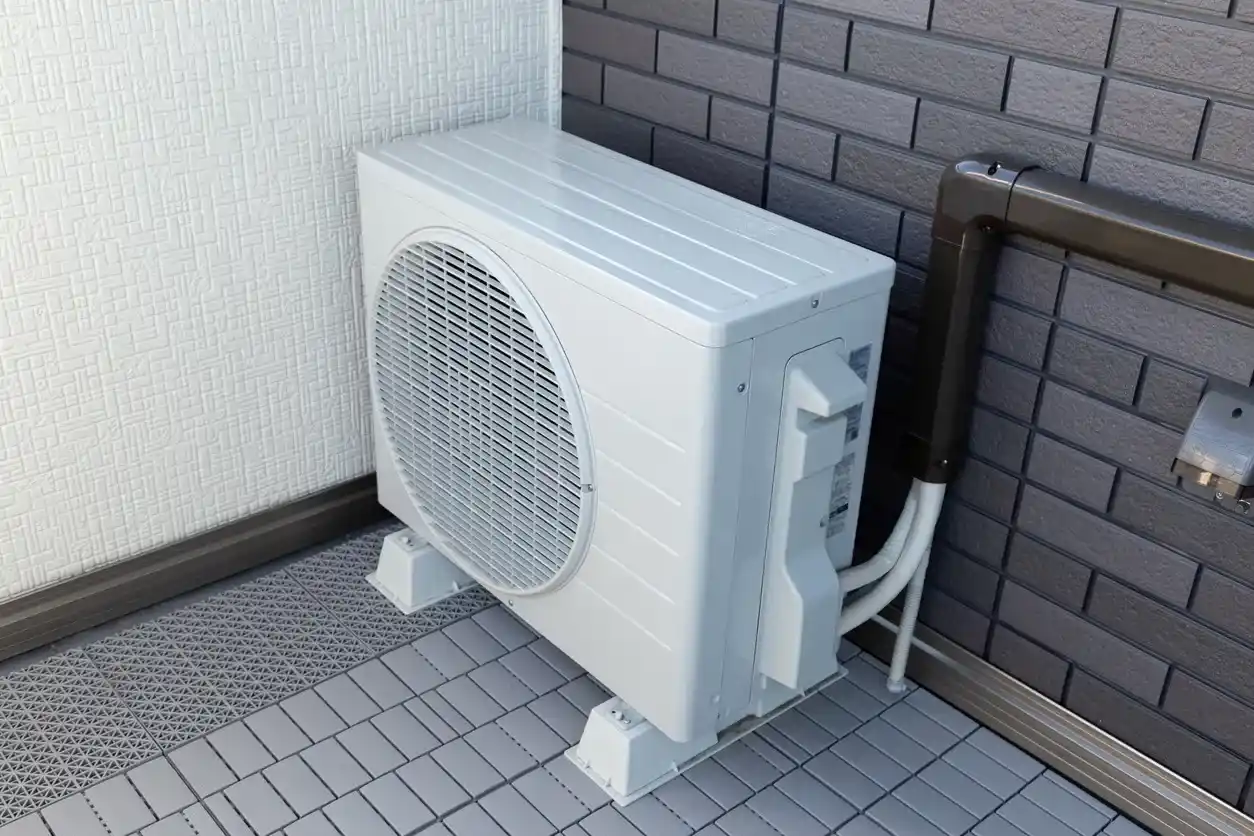
- Outdoor unit placement: Choose a shaded, well-ventilated location on a stable pad with at least the manufacturer-specified clearance from walls and landscaping.
- Refrigerant lines: Route lines to minimize bends and distance, protect against freezing and mechanical damage, and use insulated line sets sized for the selected refrigerant. Plan routing to avoid structural damage and to comply with local building practices.
- Condensate drainage: Ensure a continuous drain path, with provision for pumped drainage if the outdoor condenser is above the discharge point.
Experienced installers plan routing to respect Johns Creek neighborhood aesthetics and HOA guidelines when visible exterior work is required.
Electrical requirements and permits
Mini Split installations in Johns Creek must meet local electrical and building codes:
- Service capacity: Confirm the main panel has space and amperage for the outdoor unit’s disconnect and branch circuit. Upgrades may be necessary in older homes.
- Wiring and breakers: Use copper conductors sized per manufacturer specs and install the correct breaker type and outdoor disconnect.
- Permits and inspections: Obtain required permits and schedule inspections with the city building department. Proper permitting ensures compliance with safety and zoning standards and prevents delays.
Working with a licensed installer who understands local permitting processes reduces the risk of failed inspections or rework.
Typical installation timeline and what to expect
A straightforward mini-split installation generally follows this timeline:
- Site visit and load calculation: 1 visit, 60 to 90 minutes.
- Ordering equipment and scheduling: 1 to 2 weeks depending on model availability.
- Installation day(s): Single-zone systems often completed in one day; multi-zone systems may take 1 to 3 days.
- Post-install inspection and final adjustments: Same day as installation or scheduled per local inspector availability.
During installation expect minimal intrusion, temporary disruption while lines are routed, and attention to clean mounting and cable concealment.
Post-install testing and customer orientation
After installation, thorough testing and an orientation are essential:
- Leak testing and evacuation: Verify refrigerant integrity and correct charge according to manufacturer instructions.
- Electrical checks: Confirm correct breaker sizing, wiring connections, and safe disconnect operation.
- Performance testing: Run the system through cooling and heating modes, monitor temperatures and airflow, and check dehumidification performance.
- Customer orientation: Demonstrate controls, zoning schedules, filter maintenance, and basic troubleshooting steps. Provide documentation on warranties and care.
A good orientation ensures you understand how to get optimal comfort and efficiency from your system.
Benefits and ongoing maintenance
Properly installed mini-splits deliver long-term benefits for Johns Creek homes:
- Reduced energy bills and improved comfort.
- Targeted temperature control with fewer conditioned areas.
- Better humidity control and cleaner indoor air with regular filter maintenance.
Recommended ongoing maintenance:
- Clean or replace filters every 1 to 3 months depending on use.
- Annual professional inspection to check refrigerant charge, electrical components, and drain lines.
- Keep outdoor condenser clear of leaves, mulch, and debris, especially during fall and spring.
With accurate site assessment, proper sizing, professional installation, and routine maintenance, a mini-split system can be a reliable, efficient climate solution for homes in Johns Creek, GA.
Customer
Testimonials


Service Areas