
Heating Tune-Up in Cumming, GA
.webp)
For homes in Cumming, GA, we explain the value of a seasonal heating tune-up, detailing how our thorough inspections improve efficiency, safety, and reliability. We cover common problems such as dirty filters, thermostat issues, and worn components, plus what a typical tune-up includes—from filter changes and burner cleaning to heat exchanger checks and safety testing. We outline our step-by-step execution, recommended frequency, available maintenance plans, and local factors like humidity and pollen that influence long-term system performance for your home.
Heating Tune-up in Cumming, GA
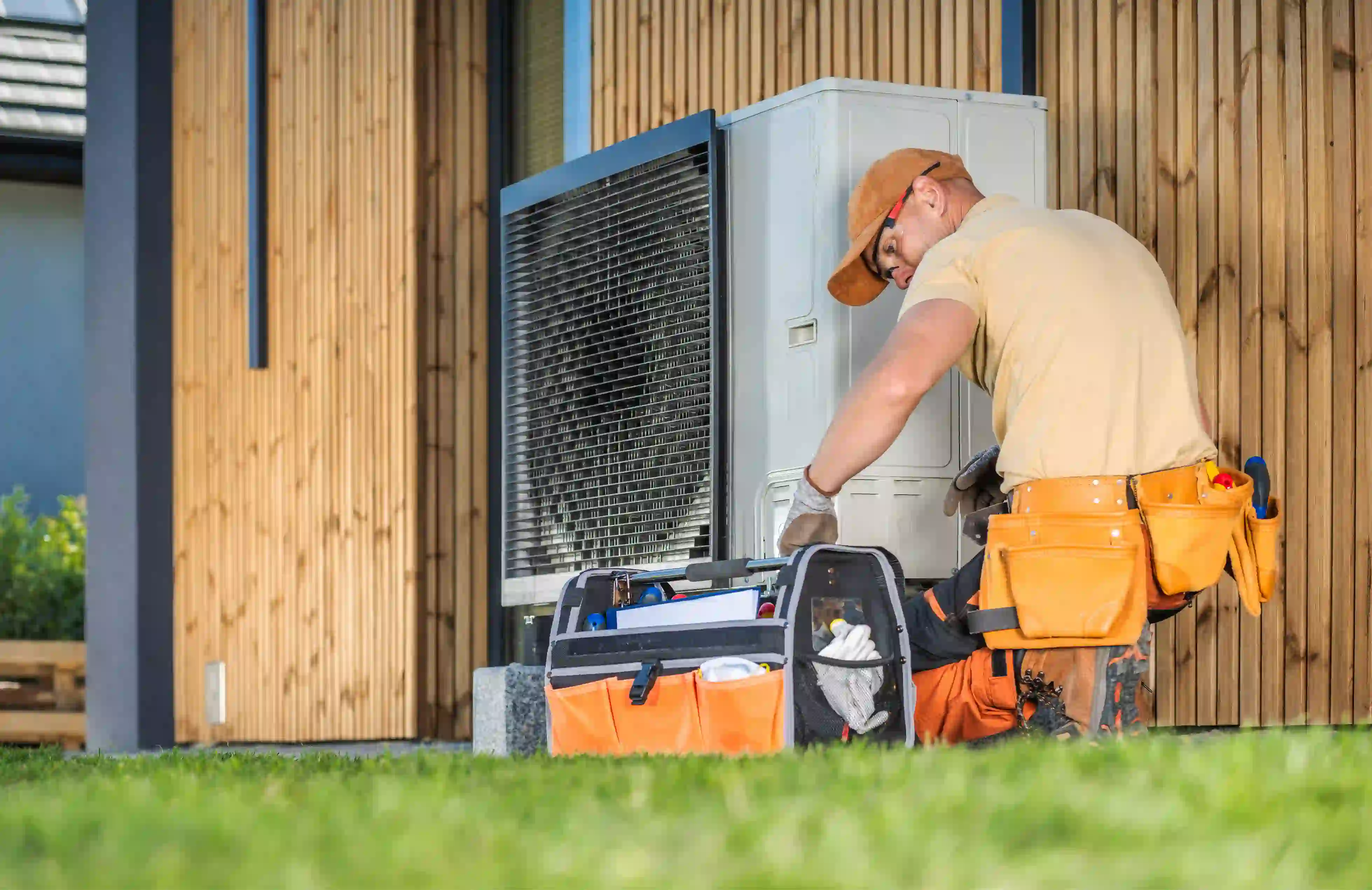
A seasonal heating tune-up is the single most effective step homeowners in Cumming, GA can take to keep their furnace safe, efficient, and reliable through cold snaps. With our humid subtropical climate, southern winters may feel mild most years, but the occasional freeze, combined with high year-round humidity and heavy pollen in spring and fall, puts unique stress on heating systems. A professional tune-up targets the common causes of mid-winter breakdowns—dirty filters, worn components, improper combustion—and restores performance so your home stays comfortable when you need it most.
Why a Heating Tune-up Matters for Cumming Homes
- Improved efficiency: Cleaning and adjusting burners, calibrating the thermostat, and ensuring correct airflow reduce wasted fuel and lower operating costs.
- Increased reliability: Preventative checks catch worn parts and early failures before they lead to emergency outages during cold weather.
- Enhanced safety: Inspections of the heat exchanger, combustion components, and safety controls reduce the risk of carbon monoxide leaks, ignition problems, and overheating.
- Longer system life: Routine maintenance reduces wear on motors and controls, extending the usable life of your furnace or heat pump.
- Better indoor air: Filter changes and airflow optimization reduce dust, pollen, and humidity-related contaminants that are common in Forsyth County.
Common Heating Problems We See in Cumming, GA
- Clogged or dirty air filters causing reduced airflow and higher furnace strain
- Unstable or inaccurate thermostats leading to short cycling or temperature swings
- Burner or ignition failures from sooting or debris buildup
- Cracked or corroded heat exchangers—an urgent safety concern
- Worn blower motors and belts creating noisy operation and poor distribution
- Blocked vents and duct leaks reducing heating efficiency and comfort
- Faulty safety controls or sensors creating intermittent shutdowns
What a Typical Heating Tune-up Includes
A thorough seasonal tune-up follows a structured checklist to address efficiency, safety, and performance. Key items performed during the service:
- Filter inspection and replacement or recommendation for a proper MERV-rated filter for your home
- Burner inspection and cleaning to ensure even combustion and reduce soot buildup
- Heat exchanger visual inspection for cracks, corrosion, or signs of stress
- Thermostat calibration and verification of temperature accuracy and control response
- Safety control testing, including high-limit switches, flame sensors, and emergency cutoffs
- Airflow and duct inspection: measuring blower performance, checking return and supply vents, and identifying obvious duct leaks or blockages
- Combustion analysis where applicable to verify proper fuel/air mixture and safe exhaust
- Electrical component check: tightness of connections, capacitor and relay function, and motor condition
- Pilot assembly or ignition system check and adjustment for reliable startups
- Lubrication of motors and moving parts where required
- System operation test under load to confirm stable cycling and even heat distribution
How the Tune-up Process Works (Step-by-step)
- Initial assessment: Technician records system age, model, past service notes, and current complaints.
- Safety shutoff and visual inspection: Check for obvious issues such as rust, leaks, or blocked vents.
- Air filter replacement: Install a clean filter sized for optimal airflow and filtration.
- Combustion and burner service: Clean burners, check ignition sequence, and confirm safe exhaust.
- Heat exchanger and safety checks: Use inspection tools and sensors to detect cracks or leaks.
- Blower and duct evaluation: Measure airflow, test blower motor, and inspect ducts for leaks or obstructions.
- Electrical and control diagnostics: Test relays, capacitors, thermostats, and control boards.
- Final operation test and report: Run the system through a complete cycle, document findings, and recommend repairs or next steps.
Problems Tune-ups Prevent (and Why Early Action Saves Money)
- Avoid emergency repairs: Worn ignition components or failing blowers commonly lead to no-heat calls on the coldest nights.
- Prevent heat exchanger failure: Catching corrosion early prevents dangerous CO exposure and costly replacements.
- Reduce energy bills: Clean burners and proper airflow lower fuel use and reduce strain on the system.
- Stop minor issues from becoming major: Identifying a weak motor, failing limit switch, or small duct leak early saves on labor and parts later.
Recommended Frequency and Timing
- Annual tune-up before the heating season: Schedule service in early fall to ensure the system is ready for the first cold snap.
- Biannual care for older systems (10+ years): Older furnaces benefit from more frequent inspections and adjustments.
- After prolonged inactivity or unusual performance: If your system has sat idle, or you notice odd smells, noises, or cycling behavior, request an inspection before relying on it for extended use.
Membership and Maintenance Plan Options
Regular maintenance plans are the most reliable way to protect your heating investment. Typical benefits of a maintenance membership include:
- Seasonal tune-ups scheduled automatically so your system is serviced before the heating season
- Priority scheduling during high-demand periods in late fall and early winter
- Filter change reminders and discounted replacement parts or labor (varies by plan)
- Documentation of maintenance history, which helps maintain resale value and warranty compliance
- Peace of mind knowing safety-critical checks (heat exchanger, safety controls) are performed annually
Membership plans are structured to fit different home needs, from single-visit seasonal checkups to comprehensive year-round coverage for both heating and cooling systems.
Local Considerations for Cumming, GA Homes
- High humidity and pollen: Cumming homes face heavy seasonal pollen and year-round humidity that clog filters and promote corrosion in unprotected components. Regular filter changes and humidity management are important.
- Older neighborhood ducts: Many local subdivisions were built decades ago and can have leaky or undersized ductwork. Tune-ups include duct inspections to identify transfers that reduce efficiency.
- Cold snaps and freeze events: Even short periods of sustained cold can expose weak components. A fall tune-up identifies vulnerabilities before they fail during those sudden temperature drops.
Final Notes on Value and Next Steps
A professional heating tune-up is an investment in safety, comfort, and long-term cost control for your home in Cumming, GA. Annual maintenance reduces the likelihood of mid-winter failures, improves efficiency, and prolongs equipment life—all while addressing local environmental factors like humidity and pollen. Regular service also documents system care, which can be helpful for home resale or warranty claims.
For homeowners who want dependable performance during Cumming winters, routine tune-ups and an appropriate maintenance plan are the most effective, low-risk strategies to avoid costly emergency repairs and ensure safe, efficient operation.
Customer
Testimonials


Service Areas