
Heating Installation in Cumming, GA
.webp)
When it comes to heating installation in Cumming, GA, we offer a comprehensive, step-by-step process that ensures reliable comfort and energy efficiency from your initial home assessment to final performance testing. We cover tailored system selection, including heat pumps, furnaces, or hybrid setups, alongside essential load calculations, meticulous duct sealing, and fuel considerations. We explain our professional installation steps, permitting, warranties, and post-install testing to guarantee safe operation, code compliance, and a documented handoff for you. We emphasize local climate considerations and energy savings throughout your entire project.
Heating Installation in Cumming, GA
Upgrading or installing a heating system in Cumming, GA is an investment in year-round comfort, indoor air quality, and long-term energy savings. Whether you live in a Lake Lanier-area home, a newer subdivision in Forsyth County, or an older bungalow near downtown Cumming, the right heating installation starts with a precise home assessment and ends with verified system performance and clear warranty documentation. This page explains the full heating system installation process, common local considerations, and what to expect from start to finish.
Why a tailored heating installation matters in Cumming, GA
Cumming experiences hot, humid summers and generally mild winters with occasional cold snaps. That climate influences the best heating strategies:
- Many homes benefit from high-efficiency heat pumps or hybrid systems that cover both heating and cooling efficiently.
- Older homes with uneven heat or leaky ductwork often require duct sealing or zoning to reach designed performance.
- Fuel availability varies by neighborhood—natural gas is common in some areas, while other properties use electric or propane.
A proper installation that matches system type, fuel source, and home characteristics prevents wasted energy, short cycling, high utility bills, and premature equipment failure.
Common heating installation types and local considerations
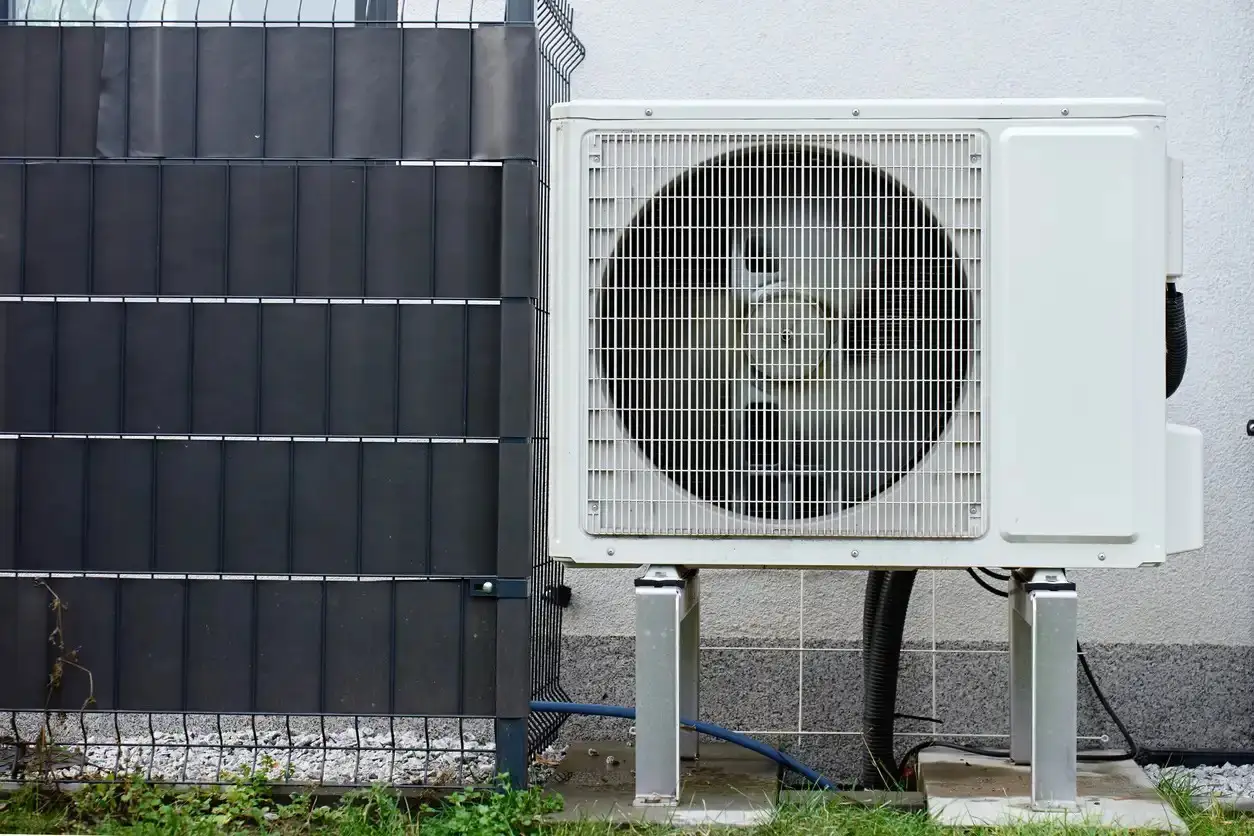
- High-efficiency air-source heat pumps and cold-climate heat pumps: Excellent for Cumming’s moderate winters and provide cooling year-round.
- Gas furnaces (naturally aspirated or condensing): Widely used where natural gas supply exists; condensing furnaces have higher AFUE and greater efficiency.
- Dual-fuel or hybrid systems: Combine a heat pump with a gas furnace to optimize costs and comfort during cold snaps.
- Propane or electric furnace installations: Common in properties without natural gas; propane performs well but requires safe tank placement and venting.
- Ductless mini-splits: Useful for additions, sunrooms, or zoned conditioning in homes without ductwork.
Home assessment and load calculations
A professional heating installation begins with a thorough assessment:
- Visual inspection of the building envelope, insulation levels, window performance, and existing ductwork.
- Manual J load calculation to determine exact heating and cooling capacity required based on square footage, orientation, insulation, and local climate data for Cumming, GA.
- Duct analysis (where applicable) including leakage and static pressure checks to identify blower and airflow needs.
- Fuel-source evaluation and distribution planning for gas, propane, or electrical service capacity.
Accurate load calculations and ductwork analysis prevent oversizing or undersizing equipment, which are leading causes of inefficiency and reduced comfort.
Guidance on selecting energy-efficient systems and fuel types
When choosing equipment, consider these performance metrics and local factors:
- AFUE for furnaces and HSPF/SEER for heat pumps — higher ratings mean better efficiency and lower operating cost.
- ENERGY STAR certification and manufacturer-backed warranties signal reliable efficiency.
- For homes in Cumming, heat pumps often deliver the best seasonal efficiency, but hybrid systems may be preferable if prolonged below-freezing periods are a concern.
- Consider zoning thermostats in larger or multi-level homes to address uneven heating.
- Evaluate long-term fuel cost trends and local availability—natural gas and electricity rates in Forsyth County will influence running cost comparisons.
Professional installation steps
A consistent, documented installation process includes:
- Pre-install planning and permit acquisition based on Forsyth County and City of Cumming codes.
- Site preparation: protecting floors, establishing equipment clearances, and verifying utility connections.
- Removal of old equipment and safe disposal per local regulations.
- Mounting and secure positioning of new equipment, duct transitions, and refrigerant lines or gas piping as applicable.
- Proper venting, combustion air provisions, and condensate management for high-efficiency systems.
- Electrical hookup, thermostat installation, and integration with existing zone controls.
- Initial system startup and factory-specified break-in procedures.
Each step includes adherence to manufacturer requirements and local code to preserve warranties and ensure safe operation.
Permitting, inspection support, and timeline expectations
Permits are typically required in Forsyth County for furnace, heat pump, and gas line work. Expect:
- Permit submission and approval times that vary; simple replacements can often be permitted quickly, while new system installs or fuel conversions may take longer.
- A final inspection by the local authority after installation to confirm code compliance and safe operation.
- Typical timelines: equipment replacement in an occupied home often completes in 1 to 3 days; complex installations, duct redesign, or new fuel hookups may extend to 1 to 2 weeks, accounting for permits and inspections.
Installer-provided documentation should accompany permit paperwork to streamline inspections and final sign-off.
Warranty, maintenance handoff, and documentation
A professional installation includes clear handoff materials:
- Manufacturer warranty documents and explanation of what is covered and for how long.
- Labor or installation warranty terms and how to file claims.
- Maintenance schedule including filter replacement frequency, seasonal tune-ups, and recommended service intervals to preserve efficiency and warranty validity.
- Documentation of installed equipment model, serial numbers, refrigerant charge (if applicable), gas pressures, and measured performance at startup.
Providing a written maintenance plan and warranty checklist helps homeowners maximize lifespan and minimize unexpected repairs.
Financing, rebates, and incentive options
Homeowners in Cumming may qualify for various financing programs, utility rebates, or federal tax incentives for high-efficiency equipment:
- Energy-efficient heat pumps and qualifying upgrades often have rebate and tax credit opportunities; availability can change, so review current programs when planning installation.
- Financing options can help spread upfront costs for equipment and ductwork improvements.
- Properly documented installations and efficiency certifications are typically required to claim rebates or tax credits.
Discussing rebate eligibility and documentation needs during the planning phase ensures installations meet program requirements.
Post-installation performance testing and verification
After installation, rigorous testing verifies system performance and safety:
- Temperature rise and airflow measurements to confirm proper distribution.
- Combustion analysis and CO testing for combustion appliances such as gas furnaces.
- Refrigerant charge verification and superheat/subcooling checks for heat pumps.
- Thermostat calibration and zone balance testing.
- Duct leakage testing when ducts are modified or added.
A final walkthrough should explain observed results, show measured performance, and confirm that the system meets the expected heating load for your Cumming home.
Common issues to watch for and maintenance tips
- Short cycling, uneven rooms, or persistent cold spots typically point to sizing, duct, or airflow problems—address promptly.
- Regular filter changes and annual tune-ups extend equipment life and maintain efficiency.
- Keep outdoor heat pump units clear of debris and maintain 2 to 3 feet of clearance for airflow.
- For gas systems, inspect vents and exhausts periodically for blockages or corrosion.
Professional diagnostics and preventive maintenance reduce emergency repairs and keep systems running efficiently.
ConclusionHeating installation in Cumming, GA combines careful home assessment, code-compliant installation, and post-install testing to deliver reliable comfort and optimized energy use. Selecting the right system and ensuring professional installation, permit handling, and documented handoff preserves manufacturer warranties and helps your heating equipment perform efficiently for years in the local climate.
Customer
Testimonials


Service Areas