
Heating Repair in Cumming, GA
.webp)
When you need heating repair in Cumming, GA, we provide fast, reliable diagnostics and emergency response to restore your heat with minimal disruption. We service common systems—gas furnaces, heat pumps, ductless mini-splits, and boilers—and address their typical failure modes. We then describe our standardized diagnostic process, recommended repairs, and realistic timelines. Warranties and parts coverage are explained, along with preventive tips to reduce future breakdowns. You'll receive clear, on-site explanations, options, and quotes aimed at ensuring safety, reliability, and protecting your equipment life and warranty integrity.
Heating Repair in Cumming, GA
When your heating system fails, you need clear answers and fast, reliable repairs. Heating Repair in Cumming, GA covers 24/7 emergency response, expert diagnostics, common failure modes, the parts and repairs typically used to restore heat, warranty expectations, realistic timelines, and what to expect when arranging an urgent visit. This page is aimed at homeowners and property managers in Cumming who want a professional, transparent path from problem to solution.
Why prompt heating repair matters in Cumming
Cumming’s winters are usually short but can include sudden cold snaps and overnight freezes. Many homes rely on heat pumps for year-round comfort and gas furnaces for backup or primary heating. Delaying repairs can lead to frozen pipes, accelerated component damage, higher energy bills, and unsafe conditions such as carbon monoxide risk. Prompt repair restores comfort and prevents small issues from becoming costly failures.
Common heating systems in Cumming homes
- Gas furnaces (natural gas) — common in older and many newer single-family homes
- Heat pumps — popular due to mild winters and high cooling loads in summer
- Ductless mini-split systems — used in additions or homes without ductwork
- Boilers and radiant systems — found in some older or custom-built homes
Each system has unique failure modes and repair needs; the diagnostic approach varies accordingly.
Most common heating repair issues in Cumming, GA
- Ignition and pilot problems: electronic ignitors, pilot assemblies, or gas valves failing to light or stay lit.
- Blower and motor faults: worn motors, bad bearings, failed capacitors, or belts causing poor airflow.
- Thermostat faults: incorrect calibration, dead batteries, or communication failures between thermostat and system.
- Heat pump refrigerant or compressor issues: low refrigerant, failed contactors, or compressor problems causing loss of heating capacity.
- Airflow restrictions: clogged filters, dirty coils, or blocked vents reducing efficiency and causing short cycling.
- Electrical/control board failures: burned relays, fuses, or control boards leading to intermittent operation.
- Condensate and drainage problems: clogged drain lines causing controller lockouts or water damage.
- Age-related wear: heat exchanger cracks in furnaces or failing compressors in older heat pumps.
Local factors such as high humidity, heavy pollen seasons, and occasional rodent intrusion into attics or crawlspaces can accelerate some of these problems in Cumming homes.
Our step-by-step diagnostic process
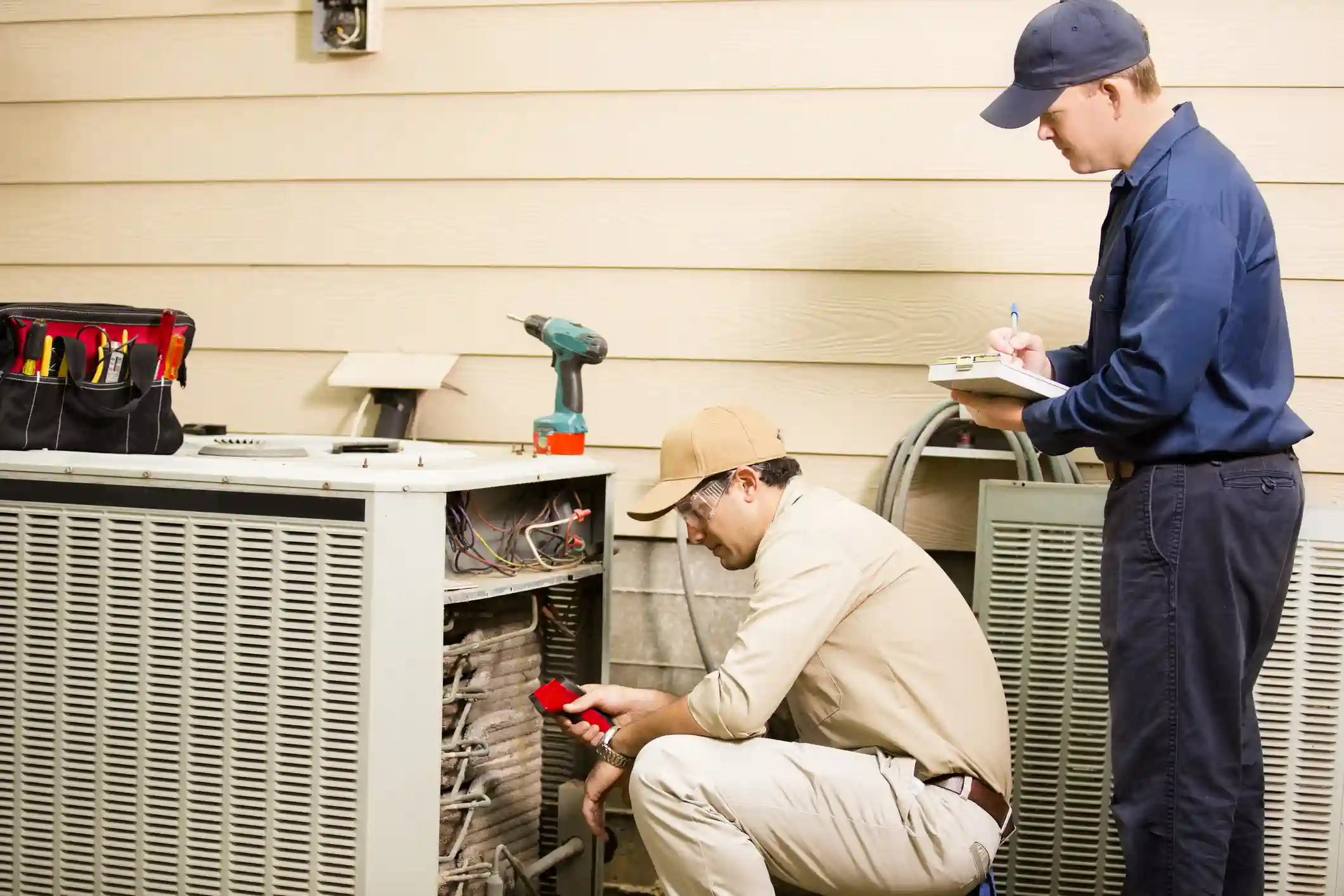
A clear, standardized diagnostic process identifies the root cause before any repair work begins:
- Safety triage — check for gas leaks, carbon monoxide alarm activation, and electrical hazards. If a gas odor is present, evacuate the home and contact the local gas utility or emergency services immediately.
- System overview — confirm system type, age, and service history; inspect filters, vents, and visible components.
- Start-up and symptom replication — run the system to observe noises, cycling behavior, and error codes.
- Thermostat verification — confirm correct wiring, settings, and communication with the system.
- Electrical checks — test voltages, capacitors, relays, and motor function with meter readings.
- Fuel/combustion analysis for furnaces — inspect burners, ignition system, and combustion exhaust where applicable.
- Refrigerant and pressure checks for heat pumps — measure pressures, inspect for leaks, and test reversing valve function.
- Airflow and duct inspection — measure static pressure where needed and inspect for blockages or leaks.
- Diagnostic report and recommended repairs — present findings, explain options, and outline expected parts and timelines.
In emergency situations the priority is stabilization: restore safe operation or a temporary heat source while parts are sourced.
Typical repair solutions and parts used
- Ignitor or pilot assembly replacement — fixes no-ignite conditions on modern furnaces.
- Gas valve or control adjustments — restores safe fuel flow and proper burner operation.
- Blower motor, belt, or capacitor replacement — returns proper airflow and quiet operation.
- Thermostat replacement or reprogramming — resolves control and communication failures.
- Control board or relay replacement — addresses intermittent or non-responsive systems.
- Refrigerant leak repair and recharge — required for heat pumps with low charge; may include replacing access valves or fittings.
- Contactors, capacitors, and start devices for outdoor units — common heat pump fixes to restore compressor operation.
- Condensate drain clearing and trap replacement — eliminates water-triggered shutdowns.
- Heat exchanger evaluation — if cracked, replacement is generally required for safety.
Most parts used are OEM or manufacturer-equivalent components to preserve system longevity and warranty coverage.
Warranty and parts coverage expectations
- Manufacturer warranties: many new compressors, heat exchangers, and major components carry manufacturer warranties that vary by part and age. These are typically handled through the manufacturer and proof of purchase or installation date may be required.
- Parts and labor: industry-standard service warranties often cover labor and replaced parts for a set period (commonly measured in days or months). Ask for specifics on parts source and warranty documentation at the time of service.
- Extended coverage: some aftermarket parts have their own limited warranties. Using OEM parts usually preserves existing manufacturer warranties.
Always request written warranty terms for any repair so you understand what is covered and for how long.
Estimated timelines and what affects repair duration
- Same-day repairs: simple fixes like replacing a thermostat, capacitor, blower motor capacitor, or unclogging a drain can often be completed during the first visit.
- Next-day or short wait: component replacements that require ordering specific OEM parts (control boards, rare motors, or heat exchanger sections) may require an extra day or two.
- Longer lead times: major replacements such as a compressor or full system replacement may take several days depending on part availability.
Factors that influence timelines include part availability, system age and accessibility, and whether a permit or inspection is required under local codes.
Typical cost considerations (no specific pricing)
- Minor repairs are less disruptive and quicker to complete but will not extend an aging system’s long-term life.
- Major component replacements increase cost and may be close in value to replacement of the entire system when the equipment is old or inefficient.
- Emergency after-hours response and urgent stabilization may impact the overall repair timeline and logistics.
Discuss options that balance immediate needs, long-term reliability, and energy efficiency.
How urgent heating repair visits are handled
- Be ready to provide system information: system type, age, brand, symptoms, and any recent service history.
- For safety, shut off the system if you suspect a gas leak or see smoke; evacuate if you detect strong gas odor and notify local emergency responders or the gas utility.
- Emergency triage focuses on stabilizing the situation—restoring safe operation or supplying temporary heat—then scheduling the definitive repair or parts replacement.
- On-site, expect a full diagnostic, clear explanation of findings, and options including estimated timelines and warranty details before major work begins.
Preventive tips to reduce future repairs
- Replace or clean filters every 1 to 3 months during the heating season.
- Keep outdoor units clear of debris and vegetation, especially after pollen-heavy months.
- Schedule annual maintenance before heating season to inspect ignition, combustion, and refrigerant systems.
- Seal and insulate ducts where accessible to improve airflow and efficiency.
Heating Repair in Cumming, GA focuses on accurate diagnostics, safe emergency response, and repairs that restore reliability while protecting system life and warranty coverage. If you need a rapid assessment, document your system details and symptoms so the on-site visit can be as efficient and effective as possible.
Customer
Testimonials


Service Areas