

Heat Pump Tune-Up in Cumming, GA
.webp)
Heat pump tune-ups in Cumming, GA provide preventive maintenance that improves efficiency, reduces energy costs, and lowers the risk of mid-season failures. This guide outlines the inspection process, common local issues such as dirty coils, refrigerant leaks, and airflow problems, and the step-by-step tasks technicians perform—from outdoor unit cleaning to thermostat calibration and duct inspection. Regular seasonal visits include spring and fall checks, with a post-service report that prioritizes safety, reliability, and long-term efficiency gains.
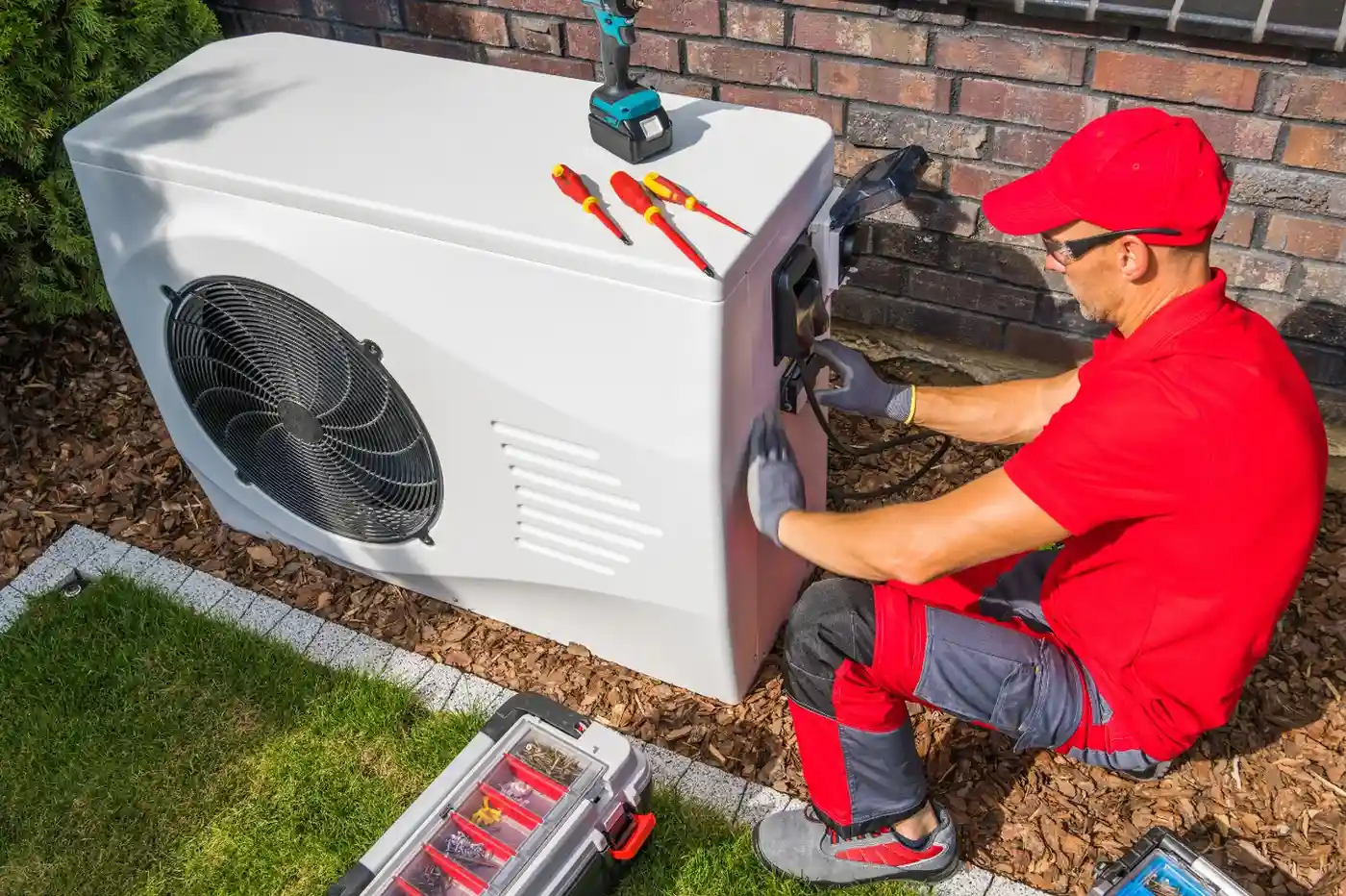
Heat Pump Tune-up in Cumming, GA
Keeping a heat pump running efficiently and reliably is especially important for Cumming, GA homes, where hot, humid summers and mild but unpredictable winters put year-round demand on HVAC systems. A professional seasonal heat pump tune-up in Cumming, GA protects comfort, reduces energy bills, and lowers the risk of mid-season breakdowns. Below is a clear, expert guide to what a thorough tune-up includes, common local issues, the diagnostic steps technicians take, and the long-term benefits of scheduled maintenance.
Why a seasonal heat pump tune-up matters in Cumming, GA
Cumming’s climate stresses heat pumps in two distinct ways: summer humidity and pollen/clogging debris, and cooler shoulder seasons when the system reverses operation. Regular tune-ups:
- Improve energy efficiency during peak cooling months.
- Reduce wear caused by high humidity and airborne contaminants.
- Catch refrigerant leaks or electrical issues before they fail during extreme weather.
- Preserve indoor air quality by improving airflow and filter effectiveness.
Homeowners who skip seasonal maintenance often report higher utility bills, reduced comfort, and a greater chance of emergency repairs during heat waves or cold snaps.
Common heat pump problems in Cumming, GA homes
These are the most frequent issues discovered during tune-ups in our region:
- Dirty condenser coils or blocked outdoor units from pollen, pine needles, and leaves.
- Low refrigerant charge caused by slow leaks, reducing cooling and heating capacity.
- Improper thermostat calibration or aging controls causing short cycling or inconsistent temperatures.
- Reduced airflow from clogged filters, duct leaks, or restricted vents—worse in homes with high attic insulation or older ductwork.
- Worn electrical components such as capacitors and contactors that fail under heavy summer loads.
- Frozen evaporator coils in humid conditions due to airflow problems or refrigerant imbalance.
Recognizing these signs early during a tune-up prevents inefficient operation and extends equipment life.
What a professional heat pump tune-up in Cumming, GA includes
A full seasonal tune-up is a step-by-step inspection and service plan designed to restore performance and document system condition. Typical tasks include:
- Outdoor unit cleaning
- Remove debris, sweep and spray condenser fins, and clear 2–3 feet of clearance around the unit to maintain airflow.
- Coil and condenser cleaning
- Clean evaporator and condenser coils to improve heat transfer and system efficiency.
- Refrigerant level and leak check
- Measure refrigerant pressure, determine proper charge, and inspect for signs of leaks. Technicians perform a visual and electronic leak check as needed.
- Thermostat calibration and control checks
- Verify thermostat setpoints, calibrate temperature sensing, and confirm correct system staging and modes.
- Airflow and duct inspection
- Inspect filters, measure airflow where possible, and visually assess ductwork for leaks, disconnected runs, or inadequate insulation.
- Electrical safety and performance tests
- Check voltages, measure amp draw on compressor and fan motors, test capacitors and contactors, inspect wiring for overheating, and verify proper breaker sizing.
- Performance optimization
- Record temperature split (supply vs. return), assess defrost cycle operation, and adjust system settings for local climate demands.
- Lubrication and mechanical checks
- Lubricate motors and inspect fan blades, belts (if present), and mounting hardware for wear or imbalance.
- Filter assessment and recommendations
- Check filter condition and recommend proper MERV rating based on home needs and indoor air quality goals.
- Post-service report with recommended repairs
- Deliver a written report summarizing findings, measured values, prioritized recommended repairs or replacements, and estimated impact on efficiency and reliability.
How diagnostics protect your investment
During a tune-up, technicians collect baseline measurements that reveal hidden problems before they become costly failures:
- Refrigerant pressure and temperature readings can show an undercharge or restriction.
- Amp draw and voltage checks identify stressed motors and unsafe electrical conditions.
- Temperature split and airflow readings indicate dirty coils or duct restrictions reducing capacity.This data-driven approach helps prioritize repairs based on safety, system longevity, and energy savings rather than guesswork.
Repairs and solutions commonly recommended after a tune-up
Based on findings during the inspection, recommended actions often include:
- Coil cleaning or fin replacement to restore heat transfer efficiency.
- Refrigerant repair and recharge when leaks are found, followed by leak sealing and retesting.
- Thermostat replacement or reprogramming for better control and compatibility with modern heat pump operation.
- Duct sealing and insulation improvements to reduce energy loss and improve airflow balance.
- Replacement of worn electrical parts (capacitors, contactors) to avoid failure during peak demand.
- Upgrading air filters or adding whole-home filtration when indoor air quality measurements warrant it.
Each repair is prioritized in the post-service report so homeowners can balance immediate needs and budget with long-term efficiency gains.
Seasonal timing and frequency
For most Cumming homes, a heat pump tune-up twice a year is recommended:
- Spring tune-up prepares the system for heavy summer cooling, addressing pollen and debris buildup.
- Fall tune-up prepares the system for heating mode, checks defrost cycles, and ensures smooth transition for cooler weather.Homes with pets, heavy pollen exposure, or older equipment may benefit from more frequent filter changes and annual professional checkups.
Benefits you can expect after a tune-up
A properly performed seasonal tune-up delivers measurable benefits:
- Increased energy efficiency and lower monthly heating and cooling costs.
- More consistent comfort with improved temperature control and reduced hot/cold spots.
- Reduced risk of mid-season breakdowns and costly emergency repairs.
- Extended equipment life and better preservation of warranty requirements.
- Improved indoor air quality and reduced allergens circulating in the home.
What to expect from the post-service report
A clear, actionable report helps you make informed decisions:
- Summary of services performed and measurements taken (voltages, amp draw, refrigerant pressures, temperature splits).
- Prioritized list of recommended repairs or replacements with explanations of safety or efficiency impacts.
- Notes on immediate safety issues, if any, and suggestions for seasonal care like filter replacement intervals.This transparency ensures you understand the condition of your heat pump and the value of suggested work.
Regular seasonal heat pump tune-ups in Cumming, GA shift maintenance from reactive to proactive. By addressing humidity-related strain, airborne debris, and electrical wear before they escalate, tune-ups protect comfort, reduce utility costs, and preserve your heat pump’s lifespan—especially in a climate that stresses equipment year-round.
Customer
Testimonials


Service Areas