Heat Pump Replacement in Cumming, GA
.webp)
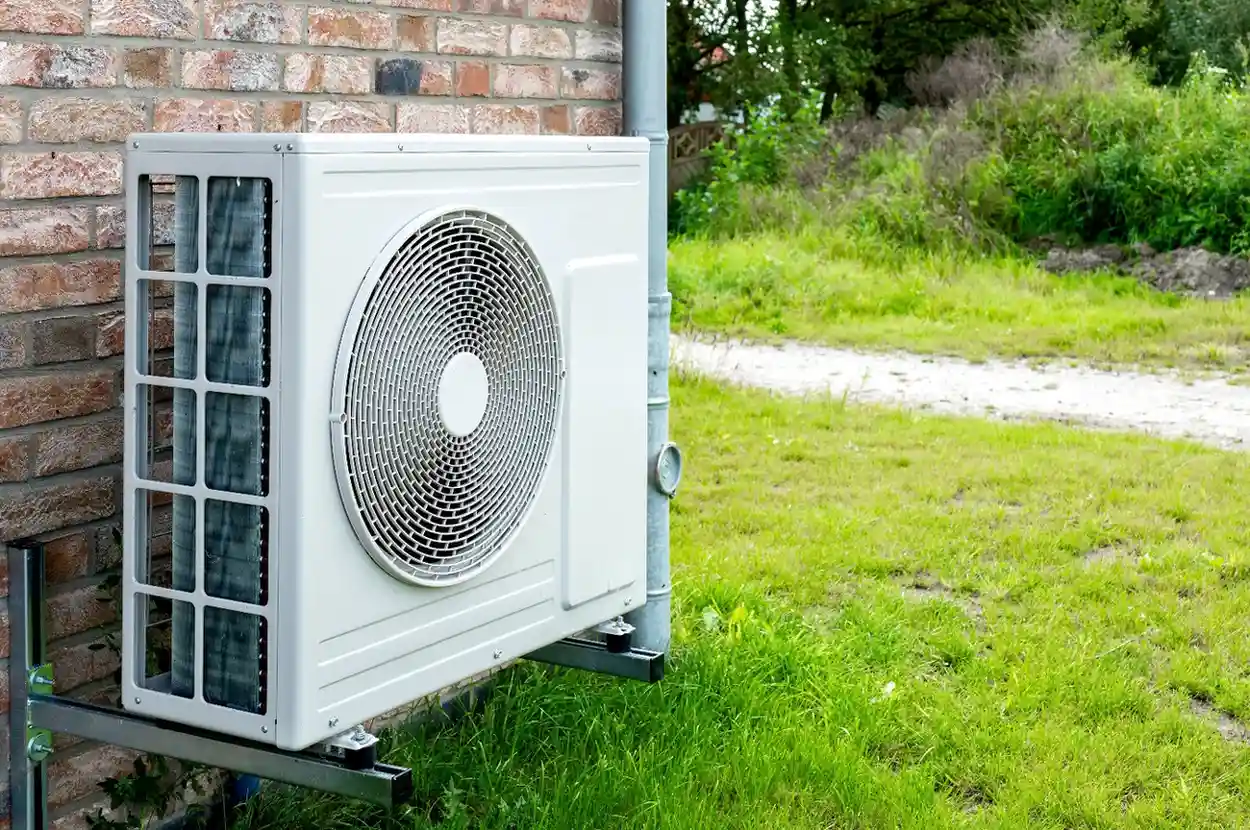
Heat pump replacement in Cumming, GA is often the smarter long-term decision when older systems lose efficiency, require frequent repairs, or drive up utility costs. Upgrading to a properly sized, high-efficiency unit with matched components improves comfort, reliability, and energy savings. The process includes safe removal of existing equipment, professional installation, and transition into ongoing maintenance to protect the new investment. Homeowners can expect clear timelines, warranty coverage, and options for energy-saving features. Incentives and rebates may also help reduce upfront costs, making replacement a practical step toward lasting comfort and lower monthly expenses.
Heat Pump Replacement in Cumming, GA
When your heat pump is struggling to keep your home comfortable through Cumming summers and the occasional cold snap, deciding between repair and replacement can feel overwhelming. This page explains when replacement is the smarter long-term choice, how energy-efficient upgrades can lower bills in Forsyth County, what to expect during removal and installation, and how warranties and maintenance transition after a replacement. It is designed for homeowners ready to make a confident, informed decision about heat pump replacement in Cumming, GA.
Why consider heat pump replacement in Cumming, GA
Cumming experiences humid summers and mild winters, which places steady cooling demand on heat pumps and contributes to wear over time. Older systems lose efficiency, struggle dehumidifying, and become more prone to refrigerant leaks or compressor failure. Replacing an aging or failing heat pump can:
- Restore consistent comfort and humidity control
- Improve year round energy efficiency in Cumming’s climate
- Reduce repair frequency and unexpected breakdowns
- Provide quieter operation and better indoor air quality
Common heat pump issues in Cumming, GA
Understanding typical failure modes helps determine whether replacement is recommended. Common heat pump issues in Cumming homes include:
- Frequent short cycling or inconsistent heating and cooling
- Rising energy bills despite normal usage patterns
- Age over 10 to 15 years with increasing repairs
- Compressor failures or sealed-system leaks
- Poor dehumidification during hot, humid months
- Excessive noise, vibration, or visible corrosion
- Refrigerant R-22 systems that are costly to service due to phaseout
If multiple issues are present or repairs are becoming recurring and costly, replacement often provides better value and long-term reliability.
When to replace versus repair
Use these practical guidelines to weigh repair versus replacement:
- Repair when a single, inexpensive component fails on a relatively new system and efficiency remains high.
- Replace when the system is older than 10 years, requires frequent major repairs, uses phased-out refrigerant, or shows signs of compressor or major sealed-system failure.
- Replace when projected repair costs over the next few years exceed 50 percent of a new system cost, or when improved efficiency will pay back over time through lower energy bills.
In Cumming, a heat pump that cannot keep humidity under control or runs constantly during heat waves is a strong candidate for replacement.
Energy-efficient upgrade options
Replacement gives you a chance to choose a system matched to your home and climate needs. Options include:
- High Seasonal Energy Efficiency Ratio (SEER) and Heating Seasonal Performance Factor (HSPF) models for better cooling and heating efficiency
- Variable-speed compressors for more consistent temperatures, better humidity control, and quieter operation
- Two-stage systems that balance efficiency and capacity for peak loads in humid summers
- Right-sized units using Manual J load calculations to avoid oversized systems that short cycle
- Advanced thermostats and zoning to optimize comfort and reduce wasted energy
Upgrading to a high-efficiency heat pump can significantly reduce energy use in Cumming’s long cooling season and often improves comfort in transitional months.
Matched system and component selection
Successful replacement is more than swapping outdoor and indoor units. A matched system ensures manufactured components work together for rated efficiency and longevity. Proper selection includes:
- Manual J load calculation to size the system for your home’s insulation, orientation, and window areas
- Matching indoor coil and blower to the outdoor unit for rated SEER/HSPF performance
- Duct evaluation and possible sealing or modification to ensure proper airflow
- Considering refrigerant type and future serviceability
- Selecting filtration and humidity control accessories appropriate for local humidity levels
A well-matched system maximizes performance and minimizes lifecycle costs.
Removal and disposal of old equipment
Safe, code-compliant removal includes recovering refrigerant, disconnecting electrical and refrigerant lines, and hauling away equipment for recycling or responsible disposal. In Cumming, proper disposal avoids fines and ensures refrigerants are handled per federal and state regulations. Confirm that replacement processes include documented refrigerant recovery and environmentally responsible disposal of the old system.
Installation process and timelines
Typical replacement steps and realistic timelines:
- Pre-install inspection and load calculation
- Removal of old equipment and refrigerant recovery (1 day)
- Installation of new outdoor unit, indoor coil/air handler or furnace conversion, and necessary duct or electrical work (1 to 2 days)
- System charging, startup, and performance testing (several hours)
- Walkthrough of controls, filtration changes, and warranty paperwork
Most straightforward replacements are completed within 1 to 2 days; more complex jobs with ductwork or zoning can take longer. Expect thorough testing to verify airflow, refrigerant charge, and electrical performance before the system is signed off.
Cost and savings estimates
Replacement costs vary based on equipment quality, capacity, ductwork needs, and installation complexity. Consider these financial aspects:
- Higher-efficiency units cost more upfront but reduce monthly energy bills
- Right-sizing and duct sealing improve efficiency and comfort without overspending on capacity
- Variable-speed and two-stage units deliver better humidity control and comfort in Cumming’s humid climate, often yielding greater perceived value
- Estimate payback by comparing current energy bills to projected efficiency gains; many homeowners see measurable savings within several years depending on local electricity rates and usage patterns
Available incentives and rebates
Replacement projects may qualify for incentives that reduce net cost. Examples include:
- Federal tax credits for specific high-efficiency heat pumps and upgrades when they meet eligibility requirements
- Utility rebates or seasonal incentives from local providers for high-SEER/HSPF systems or heat pump conversions
- State or local programs that support energy-efficient upgrades
Eligibility often depends on equipment ratings and certified installers. Retain model documentation and invoices to apply for incentives or tax benefits.
Warranty and maintenance transition
New heat pumps come with manufacturer warranties on compressors and parts as well as optional extended coverage. After replacement, establish a maintenance plan that includes:
- Annual or biannual inspections and tune-ups to preserve efficiency and detect issues early
- Filter replacement schedule and coil cleaning for sustained airflow
- Refrigerant and electrical checks to prevent premature failure
- Documentation of warranty activation and regular service to maintain coverage
A proactive maintenance plan ensures warranty compliance and extends system life, maximizing the investment.
Final benefits and homeowner tips
Replacing a heat pump in Cumming, GA, delivers more consistent comfort, better humidity control, and potential energy savings suited to local climate demands. To get the most from a new system:
- Ensure a proper load calculation and matched components
- Address duct sealing and insulation if needed
- Choose equipment sized for seasonal loads, not worst-case peaks alone
- Keep up with routine maintenance and filter changes
Thoughtful replacement and professional installation tailored to Cumming homes lead to reliable performance, lower operating costs, and improved indoor comfort for years to come.
Customer
Testimonials


Service Areas