

Heat Pump Replacement in Canton, GA
.webp)
Heat pump replacement in Canton, GA provides a thorough guide to deciding between replacement and repair, assessing existing equipment, and selecting high-efficiency upgrades. It covers cost versus savings, removal and disposal, and a typical installation timeline, plus financing options and post-installation support. The page emphasizes proper sizing, matched components, humidity control, and local Canton climate considerations. Ultimately, a correctly sized, energy-efficient system delivers long-term comfort, lower bills, and reliable performance through Canton summers and milder winters.
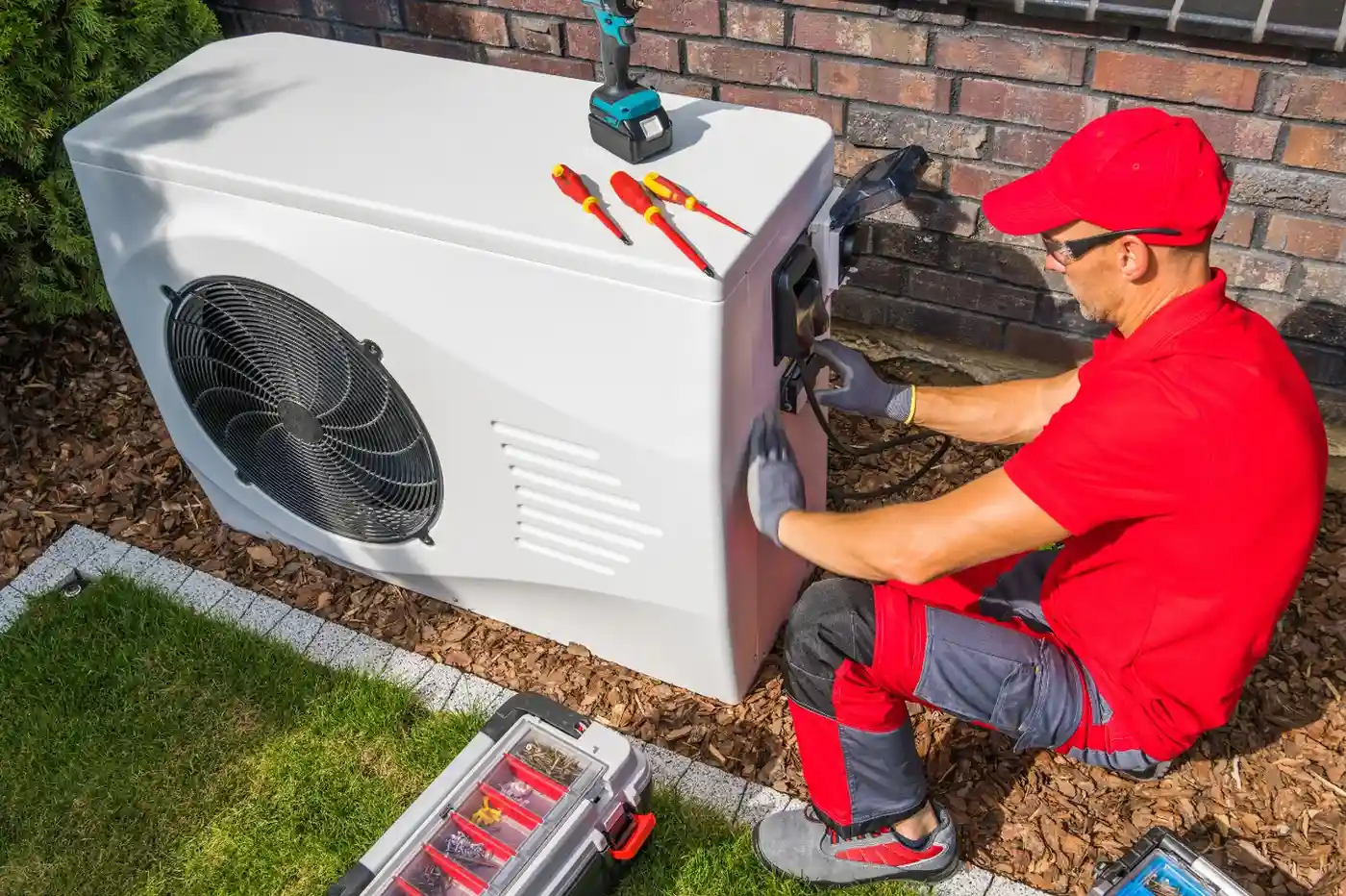
Heat Pump Replacement in Canton, GA
Replacing your heat pump is a major home investment, especially in Canton, GA where hot, humid summers and occasional cool winters place dual demands on heating and cooling systems. This page explains when to choose heat pump replacement vs repair, how to assess existing equipment, high-efficiency upgrade options, cost versus savings analysis, safe removal and disposal, a typical installation timeline, financing approaches, and the post-installation support you should expect in Canton homes.
Why consider heat pump replacement in Canton, GA
Canton experiences long cooling seasons and significant humidity. That means your heat pump works hard for much of the year. If your system is struggling, replacement can restore comfort, improve humidity control, and lower energy bills. Replacement is particularly worth considering when the system is old, inefficient, needs frequent repairs, or cannot maintain indoor comfort during peak summer or occasional winter cold snaps.
When to replace vs repair
Consider replacement instead of repair when any of these apply:
- System age is 10 to 15 years or more. Older heat pumps lose efficiency and use phased-out refrigerants.
- Repairs are frequent or repair costs are approaching 50 percent of a new system price.
- Compressor failure or major refrigerant leaks occur. These are expensive repairs and may indicate underlying system deterioration.
- Home comfort problems persist after repairs, such as inconsistent temperatures, poor dehumidification, or excessive short cycling.
- Energy bills are rising despite normal usage, indicating declining efficiency.
- You want to upgrade to a higher efficiency unit to reduce long-term operating costs.
If the issue is minor, like a faulty thermostat, dirty filter, or single component failure on a relatively new system, repair is often the better short-term choice. A balanced assessment will weigh remaining useful life, repair history, and your long-term plans for the home.
Assessing your existing equipment
A thorough assessment should include:
- Age and model of the heat pump.
- Rated efficiency: SEER and HSPF numbers.
- Maintenance history and frequency of past repairs.
- Compressor and fan performance checks.
- Refrigerant level and leak inspection.
- Electrical and control system condition.
- Ductwork inspection for leaks and insulation issues.
- Measured temperature split and airflow diagnostics.
For Canton homes, pay special attention to corrosion on outdoor coils from humid conditions and any signs of moisture-related duct issues. A professional inspection will provide a clear recommendation: repair, partial component replacement, or full system replacement.
High-efficiency upgrade options
Upgrading offers both comfort and efficiency gains. Common upgrade choices include:
- Variable-speed/inverter-driven compressors for smoother operation, better humidity control, and energy savings.
- Two-stage compressors that balance efficiency and capacity for Southeastern climates.
- Higher SEER and HSPF ratings to reduce cooling and heating costs during long cooling seasons and mild winters.
- Matched systems (indoor coil, outdoor unit, and controls) to prevent performance losses.
- Advanced thermostats and zoning systems that improve comfort and reduce wasted energy.
- Enhanced filtration and dehumidification options to address Canton humidity and indoor air quality.
Selecting an appropriately sized unit with correct duct balancing is crucial. Oversized systems short cycle and underperform; properly sized units keep humidity under control and run more efficiently.
Cost versus savings analysis
Replacement costs vary by equipment type, efficiency level, and installation complexity. Key financial factors to evaluate:
- Upfront equipment and installation costs.
- Estimated monthly operating cost savings based on higher efficiency ratings.
- Projected payback period from energy savings.
- Potential local or state incentives and rebates that reduce net cost.
- Longer warranty periods that decrease long-term maintenance costs.
In Canton, the long cooling season means efficiency upgrades typically yield noticeable savings on summer electric bills. Calculate a conservative payback by estimating the delta in kilowatt-hour usage between your current system and the proposed high-efficiency unit and multiplying by local electricity rates.
Removal and disposal of old systems
Proper removal and disposal are vital for safety and regulatory compliance:
- Refrigerant recovery is required by federal and state rules. Refrigerant must be captured and recycled by certified technicians.
- Metal and plastic components are separated for recycling when possible.
- Hazardous materials are handled according to regulations to prevent contamination.
- Old equipment is documented and disposed of at licensed facilities.
In Canton, technicians should account for local disposal rules and recycling options to minimize environmental impact.
Installation timeline and process
Typical installation steps and timeframe:
- Finalize equipment selection and schedule. Pre-install paperwork and permits if required.
- On installation day: disconnect and remove the old system, recover refrigerant, and prepare the site.
- Install new outdoor unit, indoor coil or air handler, and necessary ductwork adjustments.
- Connect electrical, refrigerant lines, drain lines, and controls.
- Evacuate and charge the refrigerant system, then perform startup procedures and performance testing.
- Walk through homeowner orientation on system operation, thermostat settings, and maintenance tasks.
Most straightforward replacements take one to two days. More complex installs, such as adding ductwork, converting fuel types, or significant electrical upgrades, can take longer.
Financing options
Homeowners can consider several financing approaches:
- Home improvement loans or personal loans with fixed repayment terms.
- Home equity lines or second mortgages for long-term financing.
- Manufacturer or dealer payment plans that spread payments over months to years.
- Energy-efficiency financing programs or low-interest offers tied to local incentive programs.
Evaluate term lengths, interest rates, and total cost. Match financing to expected energy savings and length of time you plan to stay in the home.
Post-installation support and maintenance
Expect thorough post-installation support to protect your investment:
- Manufacturer and installer warranties on parts and labor.
- System start-up documentation and performance verification.
- Seasonal maintenance plans including filter changes, coil cleaning, refrigerant checks, and electrical inspections.
- Advice on thermostat programming and humidity control for Canton weather.
- Fast response for diagnostics and repairs if problems arise.
Regular maintenance preserves efficiency, extends equipment life, and helps avoid premature replacement.
Final considerations for Canton homeowners
Heat Pump Replacement in Canton, GA delivers improved comfort, better humidity control, and lower energy use when matched to local climate demands. Replacing an old, inefficient, or repeatedly failing unit with a correctly sized, high-efficiency system provides measurable benefits during Canton summers and the mild heating season. A careful assessment, properly executed removal and installation, and ongoing maintenance ensure the new system performs reliably and economically for years.
Customer
Testimonials


Service Areas