

Heat Pump Repair in Canton, GA
.webp)
Heat pump repair in Canton, GA focuses on restoring comfort quickly and preventing repeat breakdowns through precise diagnostics and quality repairs. Common issues include refrigerant leaks, compressor or fan failures, electrical faults, and airflow restrictions. Technicians follow a structured diagnostic process to identify root causes and recommend reliable solutions. Emergency services address urgent failures, while standard repairs cover part replacements and system adjustments with clear timelines. Homeowners can expect transparent estimates, warranty support, and guidance on preventing future issues through routine maintenance and proper system sizing, ensuring efficient, year-round performance.
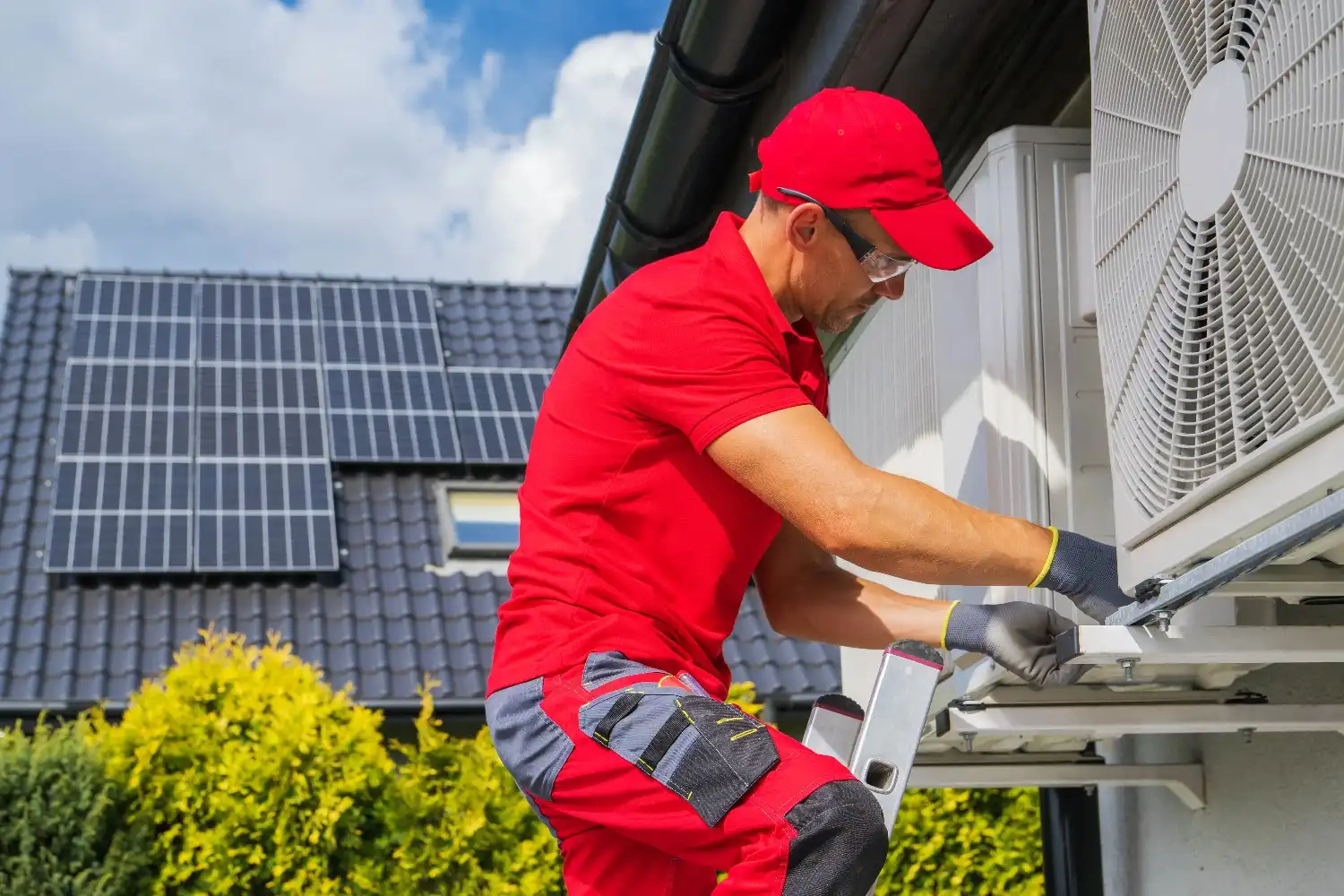
Heat Pump Repair in Canton, GA
A malfunctioning heat pump disrupts comfort year-round in Canton, GA. With hot, humid summers and mild winters that can still bring cold snaps, homeowners rely on heat pumps for both cooling and heating. This page explains common heat pump failure modes in Canton homes, how professional diagnostics work, what on-site repairs and parts replacement involve, typical emergency response expectations, warranty and parts guidance, and practical tips to avoid repeat breakdowns.
Why timely heat pump repair matters in Canton, GA
Heat pumps handle heavy, year-round load in north Georgia. High summer humidity drives continuous cooling cycles that stress compressors and fan motors, while winter heat cycles and defrost systems create different wear patterns. Delaying repair can increase energy bills, accelerate component failure, and risk costly secondary damage like coil freeze or compressor burnout. Quick, accurate repair restores comfort and preserves system life.
Common heat pump issues in Canton, GA
- No cooling or heating output: Often caused by thermostat issues, failed compressors, or low refrigerant.
- Short cycling: Unit turns on and off frequently due to electrical faults, bad capacitors, oversized system, or refrigerant restrictions.
- Weak airflow: Clogged filters, failing blower motors, duct leaks, or frozen coils reduce airflow and performance.
- Strange noises: Rattling, grinding, or hissing point to loose panels, worn bearings, refrigerant leaks, or compressor problems.
- Refrigerant leaks or low charge: Common after punctures, corrosion, or failed brazed joints; reduces efficiency and can damage the compressor if unaddressed.
- Defrost cycle failures: In colder conditions, failed defrost controls or sensors cause ice buildup and loss of heating capacity.
- Electrical failures: Tripped breakers, failed contactors, relays, or capacitors are frequent causes of outages after storms or power surges.
- Sensor and control board faults: Thermostat, safety switches, or control board failures cause intermittent or total loss of operation.
Step-by-step diagnostic process
A thorough diagnostic isolates root causes so repairs are precise and durable. Typical steps include:
- Safety and visual inspection: Power off, check for obvious damage, oil leaks, corrosion, or rodent activity that can cause electrical shorts.
- Confirm operating history: Review homeowner observations (noise, timing, whether problem is in heating or cooling mode).
- Electrical tests: Measure voltage, inspect breakers and fuses, test contactors, relays, run capacitors, and motor amp draws.
- Thermostat and controls check: Verify settings, wiring, and communication between thermostat and outdoor unit.
- Refrigerant system evaluation: Measure pressures and temperatures to detect leaks, restrictions, or incorrect charge.
- Airflow and coil inspection: Check filters, blower motor performance, evaporator and condenser coil condition, and ductwork.
- Defrost and reversing valve tests: For heating issues, verify proper defrost cycle operation and reversing valve function.
- System performance verification: Run the unit through a full cycle to confirm fixes and measure temperature split and efficiency.
Diagnostics are documented and presented in clear, itemized form so homeowners understand findings and options.
On-site repairs and parts replacement
Common on-site repairs performed during a heat pump service include:
- Replacing capacitors, contactors, relays, and motors that fail from routine wear or electrical surges.
- Repairing or replacing compressors and performing proper recovery and recharge procedures when replacement is necessary.
- Finding and repairing refrigerant leaks, brazing, and pressure testing lines before recharging to manufacturer-spec refrigerant level.
- Replacing reversing valves or defrost controls that prevent proper heating mode operation.
- Cleaning and restoring coils and condensate drain lines to prevent freeze-ups and water damage.
- Repairing or replacing control boards and thermostats for intermittent or non-responsive systems.
- Addressing airflow issues: blower motor repairs, filter replacement recommendations, and duct sealing suggestions.
Technicians use manufacturer-spec parts whenever possible. Parts are sourced to match system requirements and minimize future compatibility issues.
Emergency response and typical repair times
Heat pump failures that leave a home without cooling during peak summer or without heat during a cold night are prioritized. Emergency response protocols commonly include:
- Rapid triage to determine safety risks (electrical hazards, gas/odor issues, or severe water leaks) and to recommend interim measures.
- Same-day or next-business-day diagnostic visits for urgent calls, depending on scheduling and local demand.
- Average on-site repair times vary by issue: minor electrical repairs or component swaps can be completed in a few hours; compressor replacements or refrigerant system overhauls may require a full day or multiple visits for parts and recovery operations.
Times can vary seasonally; peak summer demand in Canton may extend wait times. Transparent scheduling and status updates help homeowners plan accordingly.
Warranty and parts information
Warranty coverage depends on manufacturer and parts suppliers. Helpful warranty practices include:
- Using OEM or equivalent parts that maintain manufacturer warranty validity.
- Providing written, itemized warranty terms for parts and labor performed, including duration and what voids coverage.
- Documenting service actions, serial numbers, and before-and-after readings to support warranty claims if needed.
Homeowners should retain manufacturer paperwork and service records to preserve any existing equipment warranty and to establish a maintenance history if questions arise.
Transparent estimates and repair vs replacement guidance
A clear, itemized estimate should include:
- Diagnostic fee (if applicable) and what it covers.
- Labor, parts with model numbers, and any required permitting or refrigerant recovery fees.
- Estimated timeline and whether further visits may be required.
Decision factors for repair versus replacement include system age, frequency of failures, repair cost relative to replacement, refrigerant type, and long-term energy savings. For older systems near the end of expected service life or using phased-out refrigerants, replacement may offer better long-term value.
Tips to avoid repeat breakdowns in Canton homes
- Schedule seasonal tune-ups before summer and winter to catch worn parts, verify refrigerant levels, and clean coils.
- Change or inspect filters monthly during high-use months to prevent airflow restrictions and coil freeze.
- Keep the outdoor unit clear of debris, tall grass, and pollen buildup common to Canton’s spring season.
- Ensure proper drainage and condensate management to prevent water-related failures and mold growth.
- Protect the system from electrical surges with whole-home surge protection and check for frequent breaker trips that indicate underlying issues.
- Address duct leaks and insulation gaps to reduce cycling and system strain, particularly in older Canton homes.
Final notes: reliability and performance
Prompt, diagnostic-driven heat pump repair preserves comfort and reduces the risk of larger failures in Canton’s variable climate. Understanding common failure modes, insisting on precise diagnostics, using compatible parts, and following clear estimates and warranty terms all contribute to durable, efficient operation. Regular maintenance and attention to local climate impacts like humidity, pollen, and storm-related outages significantly reduce the chance of repeat breakdowns and help keep a heat pump running reliably year after year.
Customer
Testimonials


Service Areas