
Heat Pump Repair in Dawsonville, GA
.webp)
Heat pump repair in Dawsonville, GA covers diagnosing and fixing common heat pump issues to restore comfort and efficiency. The guide explains why timely repairs matter in the region’s hot summers and cold snaps, outlines typical problems such as no heat, short cycling, airflow issues, refrigerant leaks, and defrost faults, and describes a structured diagnostic process. It also reviews repair parts, emergency options, warranty coverage, scheduling tips, and preventive maintenance practices to extend system life.
Heat Pump Repair in Dawsonville, GA
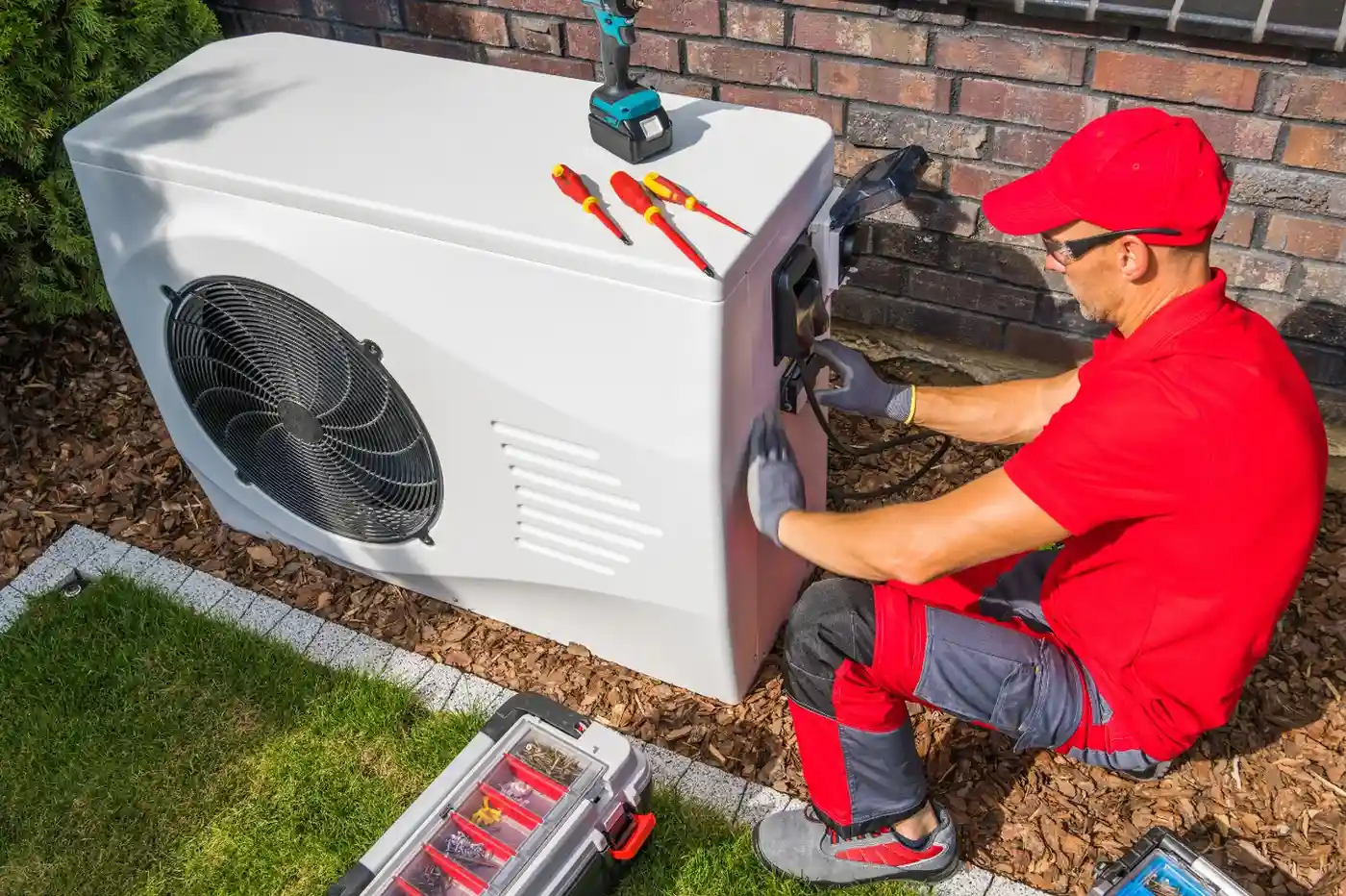
Heat pumps are the primary heating and cooling method for many Dawsonville homes. When they fail, the result is uncomfortable indoor temperatures, higher energy bills, and potential damage to other HVAC components. This page explains common heat pump problems in Dawsonville, GA, how technicians diagnose and repair them, typical replacement parts, emergency response options, warranty and labor details, and what to expect when scheduling a repair appointment.
Why timely heat pump repair matters in Dawsonville, GA
Dawsonville experiences hot, humid summers and occasional cold snaps in winter. That climate puts heavy seasonal stress on heat pumps. Extended summer runtimes increase compressor and fan wear, while winter defrost cycles and freezing overnight temperatures can reveal sensor or control issues. Prompt repairs restore comfort, prevent costly secondary damage, and keep systems operating efficiently through the region’s changing seasons.
Common heat pump problems in Dawsonville homes
- No heating or cooling - Unit does not turn on or runs but does not change indoor temperature. Common causes: thermostat faults, failed contactor, blown fuses, or compressor failure.
- Short cycling or frequent on-off cycles - May indicate oversized equipment, refrigerant issues, or faulty control board components.
- Insufficient airflow or weak output - Dirty filters, blocked ducts, failing blower motor, or frozen outdoor coil.
- Outdoor unit not running or grinding noises - Fan motor failure, damaged blades, capacitor problems, or debris from nearby trees and foliage.
- Refrigerant leaks or low charge - Reduced efficiency and capacity; environmental concerns affect refrigerant handling and repair.
- Frequent defrost or stuck-in-defrost mode - Defrost control issues, faulty sensors, or refrigerant imbalance, common in colder North Georgia nights.
- Electrical failures and burnout - Worn capacitors, relays, or wiring corrosion from seasonal humidity.
- Unusual odors or water leaks - Clogged condensate drain, microbial growth in the drain pan, or refrigerant leak creating chemical smells.
Diagnostic and troubleshooting process
A structured diagnostic approach isolates the root cause without unnecessary parts replacement. Typical steps include:
- Customer intake - Document symptoms, duration, thermostat settings, and any recent service history.
- Visual inspection - Check outdoor and indoor units, wiring, filters, ductwork, and clearances around the outdoor coil from leaves or debris.
- Thermostat and control checks - Confirm correct mode, temperatures, and verify thermostat wiring and batteries.
- Electrical testing - Measure voltage and amp draw at the compressor and fan motors, inspect contactors, relays, and capacitors for wear.
- Refrigerant and pressure checks - Measure operating pressures and temperatures to identify leaks, improper charge, or restriction.
- Airflow and coil evaluation - Test blower performance, inspect coils for dirt or ice, and verify condensate drainage.
- Control board and sensor diagnostics - Read fault codes, test defrost sensors and reversing valve operation.
After diagnostics, the technician will explain the findings and present repair options tailored to the unit age, condition, and the homeowner’s priorities.
Typical repair solutions and replacement parts
Heat pump repairs in Dawsonville commonly involve replacing or repairing these components:
- Compressors and compressor start kits
- Reversing valve assemblies
- Contactors and relays
- Capacitors (run and start)
- Fan and blower motors
- Control boards and relays
- Thermostats and sensors (defrost, temperature)
- Expansion devices, TXV or fixed metering devices
- Refrigerant line repairs and brazing for leaks
- Coil cleaning and fin repair
- Condensate pumps and drain line repair
Repair strategy balances short-term fixes and long-term value. For older systems with recurring compressor or refrigerant problems, replacement may be the more economical and energy-smart choice. Refrigerant handling in Georgia is governed by federal requirements, so repairs that involve refrigerant recovery and recharge are performed with certified equipment and technicians.
Emergency response options
Heat pump failures during extreme heat or cold require urgency. Emergency repair options typically include:
- After-hours dispatch for health or safety risk situations
- Priority scheduling and same-day service slots when available
- Temporary fixes to restore heat or cooling while parts are sourced
- Safety shutdowns and diagnostics to prevent electrical hazards
In Dawsonville, seasonal spikes in demand can affect response times, so emergency pathways are structured to prioritize homes without heat in cold weather and those with vulnerable occupants.
Warranty, labor, and parts coverage
Understanding warranties reduces surprises after a repair:
- Manufacturer parts warranties often cover major components for a defined period (for example, compressors may have separate longer-term coverage). Coverage requires correct installation and may require product registration.
- Labor warranties are typically provided by the service technician and commonly cover workmanship for a limited period, often 30 to 365 days depending on service terms.
- Service guarantees may include repair stability periods or return visits to address the same issue within the labor warranty window.
Warranties do not usually cover preexisting wear, negligence, lack of maintenance, or damage from improper installation. Proper maintenance, including annual tune-ups and filter changes, preserves warranty validity and system life.
How to schedule a repair appointment
When preparing to schedule, have this information available:
- Heat pump model and approximate age (often on a label at the outdoor unit)
- Clear description of symptoms and when they started
- Any recent service history or changes (thermostat replacement, power outages)
- Accessibility details (gate codes, lockbox, pets on site)
- Preferred appointment windows and whether a same-day or emergency response is needed
Appointments typically fall into three categories: diagnostic visit, repair visit with common parts on hand, and full replacement installation. A diagnostic visit confirms the problem and yields a repair estimate and timeline. For Dawsonville residents, scheduling preventive checks before peak summer or winter months helps avoid seasonal breakdowns.
Preventive maintenance and final notes
Regular maintenance extends heat pump life and reduces emergency repairs. Key tips for Dawsonville homes:
- Replace filters every 1 to 3 months during heavy use
- Keep the outdoor unit clear of leaves, debris, and vegetation, especially during fall
- Schedule professional tune-ups before summer and before winter cold snaps
- Monitor for gradual performance declines and address them early
Timely heat pump repair protects comfort, energy efficiency, and equipment longevity in Dawsonville, GA. Clear diagnostics, informed repair choices, and routine maintenance are the best ways to keep a home comfortable through the region’s seasonal swings.
Customer
Testimonials


Service Areas