
Heat Pump Installation in Dawsonville, GA
.webp)
Heat pump installation in Dawsonville, GA covers the full process from site assessment and Manual J load calculations to unit selection, ductwork, and line-set needs. It explains permitting, timelines, financing options, and warranty and aftercare best practices. The guide highlights optimization for Dawsonville's climate, emphasizes efficiency targets, and offers practical tips for protecting new equipment, reducing energy use, and ensuring reliable year-round comfort through careful sizing, proper commissioning, and proactive maintenance. Recommended checks and service intervals are included.
Heat Pump Installation in Dawsonville, GA
Installing a heat pump is one of the most effective ways to improve year-round comfort and energy efficiency in Dawsonville, GA homes. With hot, humid summers and generally mild but occasionally chilly winters in the North Georgia foothills, a properly sized and installed heat pump delivers reliable cooling in summer and efficient heating in winter. This page walks through the full installation process, what to expect during site assessment and load calculations, unit selection and efficiency considerations, ductwork or line-set needs, permit and inspection requirements, typical timelines, financing options, and warranty and aftercare best practices.
Why a heat pump makes sense in Dawsonville, GA
- Heat pumps provide efficient cooling during Dawsonville’s humid summers and deliver effective heating through most winter days, reducing reliance on costly electric resistance or aging furnaces.
- Modern systems offer high Seasonal Energy Efficiency Ratio (SEER) and Heating Seasonal Performance Factor (HSPF) ratings, which translate to lower operating costs in a climate with frequent cooling and moderate heating demand.
- Many Dawsonville homes are older or on sloped lots; choosing the right configuration (ducted, ductless mini-split, or hybrid with a gas furnace) ensures proper comfort without oversizing or overworking the system.
Common heat pump types and which fit Dawsonville homes
- Air-source heat pumps: Best for most residential properties here — reliable year-round performance and compatible with existing duct systems.
- Ductless mini-splits: Ideal for older homes without ductwork, additions, or rooms with uneven temperatures. They are less invasive to install on sloped or tight lots.
- Hybrid systems (heat pump + gas furnace): Good where cold snaps occur regularly and you want auxiliary heating for extreme lows.
- Geothermal (ground-source): Highly efficient but requires more property and upfront investment — suited for larger lots where excavation is feasible.
Step 1 – Site assessment and load calculations
A successful installation begins with a detailed site visit and a Manual J load calculation tailored to your Dawsonville home. This includes:
- Measuring square footage, ceiling heights, window types, insulation R-values, and orientation relative to sun exposure.
- Noting attic, crawlspace, and basement conditions common in North Georgia properties.
- Assessing existing ductwork condition and layout, or identifying suitable locations for indoor units for ductless systems.
Accurate load calculations prevent oversized or undersized systems. Oversizing short-cycles and reduces efficiency; undersizing leads to comfort shortfalls during peak summer or winter days.
Step 2 – Unit selection and energy-efficiency considerations
Key factors when selecting a heat pump:
- Efficiency ratings: Look for high SEER (cooling) and HSPF or Heating COP (heating) — higher numbers mean better efficiency and lower utility bills.
- Modulating or variable-speed compressors: These provide quieter operation and tighter temperature control in both Dawsonville’s humid summers and mild winters.
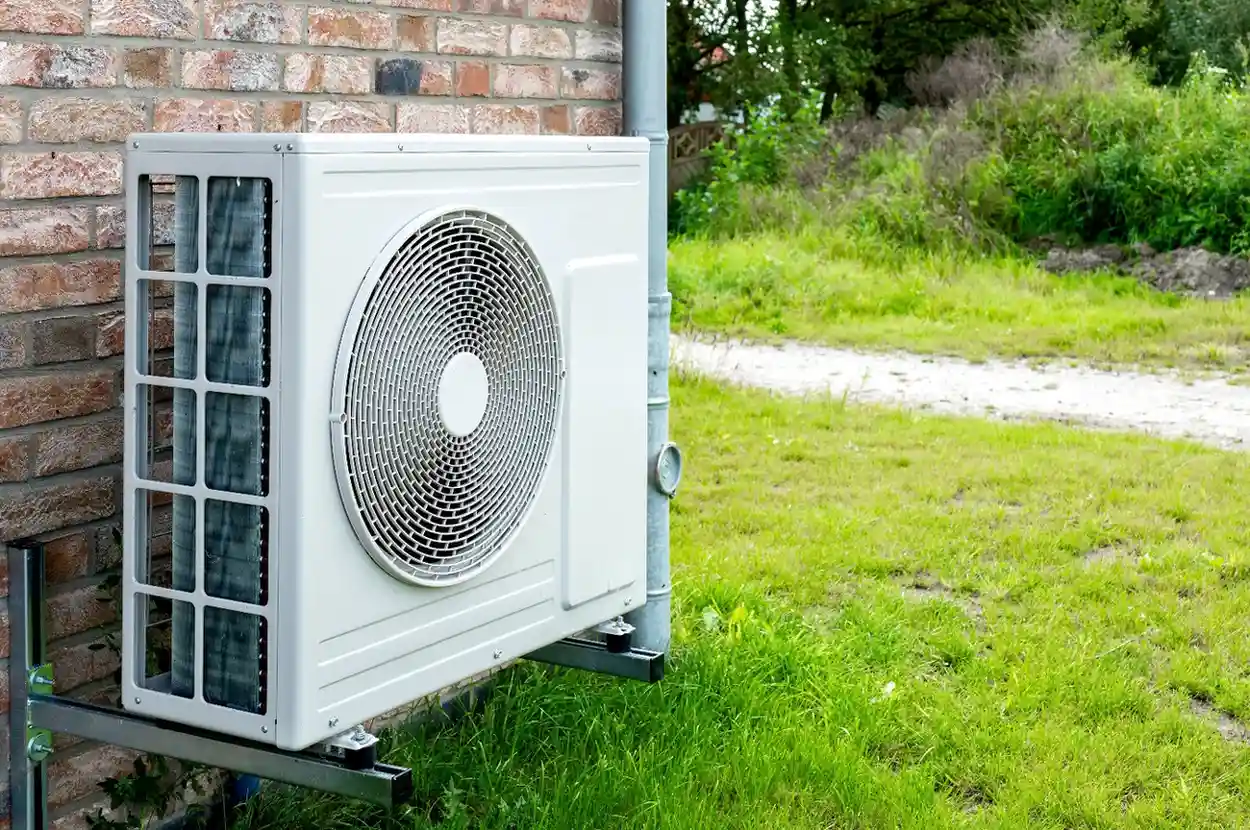
- Noise levels and placement: Outdoor unit siting matters on smaller or sloped lots to minimize vibration and neighbor impact.
- Compatibility with existing systems: Determine whether existing ductwork can be retained, needs sealing/repair, or should be replaced.
Choose equipment sized to the Manual J result and rated for the local climate. Consider models with enhanced humidity control to address Dawsonville’s summer moisture.
Step 3 – Ductwork, line-sets, and installation requirements
- Ducted systems: Expect inspection and likely sealing or partial duct replacement in older homes. Proper airflow balancing is critical for even temperatures and efficiency.
- Ductless systems: Require refrigerant line-sets, condensate drains, and a small exterior penetration per indoor head. Ideal for zone control without major construction.
- Line-sets for air-source units: Installed between indoor and outdoor units, sized according to refrigerant and distance. Longer runs or steep grades common on hilly properties may require additional considerations.
- Electrical upgrades: Many installations require dedicated breakers or minor electrical work to meet code.
Installation teams should protect flooring and landscaping, follow manufacturer torque and brazing standards for refrigerant connections, and verify proper refrigerant charge and airflow before leaving the site.
Permits and inspections in Dawsonville
Local permits and inspections are typically required in Dawson County and the City of Dawsonville for HVAC replacements or new installations. Permit steps often include:
- Submitting equipment specifications and load calculations.
- Scheduling rough and final inspections to verify code compliance for electrical, refrigerant handling, and safety.
- Ensuring installers are licensed and registered as required by local authorities.
Permits protect homeowners by ensuring installations meet building codes and safety standards.
Typical installation timeline
- Site assessment, load calculation, and quote: 1 to 3 business days scheduling, with a same-day or next-day survey often available.
- Permitting: Varies by jurisdiction; expect 5 to 14 business days in many local cases.
- Installation day(s): Simple replacements with existing ductwork usually take 1 to 2 days. Ductwork upgrades, multi-zone mini-split systems, or complex electrical work can extend to 3 to 5 days.
- Final inspection and system commissioning: Generally completed within a few days after installation.
Timeline can vary with seasonal demand—peak summer months often have longer waits for equipment and installers.
Financing, incentives, and cost considerations
While this overview does not include pricing specifics, homeowners can expect options to spread investment over time and reduce upfront burden. Typical pathways include:
- Financing plans through lenders or manufacturer programs with fixed monthly payments.
- Utility rebates or state incentives that can lower net cost for qualifying high-efficiency systems.
- Manufacturer or trade-in incentives for upgrading from older, less efficient equipment.
Ask about incentives that apply to high-SEER or ENERGY STAR-rated equipment and whether installers will assist with paperwork for local or state programs.
Warranty, aftercare, and maintenance
- Manufacturer warranty: Covers major components for a specified period. Confirm what is included and whether registration is required.
- Labor warranty: Ask about coverage for installation workmanship and any conditions for maintaining the warranty.
- Aftercare and service agreements: Regular maintenance is essential—annual tune-ups, filter changes, coil cleaning, and refrigerant checks maintain efficiency and extend equipment life.
- Seasonal checks: In Dawsonville, pay particular attention to pre-summer cooling tune-ups and fall heating checks to confirm performance before peak usage.
Document all warranties and service visits, and keep a maintenance log for smooth warranty claims and long-term performance.
Common heat pump issues in Dawsonville and how proper installation prevents them
- Insufficient cooling or heating: Often caused by improper sizing, poor ductwork, or incorrect refrigerant charge. Proper Manual J sizing and commissioning prevent these issues.
- High humidity: Can result from oversized systems cycling too quickly. Variable-speed units and correct sizing improve dehumidification.
- Short cycling and frequent on/off: Typically due to oversizing or electrical problems; balanced sizing and correct electrical setup avoid this problem.
- Refrigerant leaks or pressure issues: Proper brazing, leak testing, and correct line-set installation mitigate refrigerant problems.
- Airflow problems: Caused by duct leaks, blocked returns, or wrong fan speeds. Duct sealing, balancing, and HVAC control adjustments resolve airflow issues.
Final considerations
A well-planned heat pump installation in Dawsonville, GA begins with a professional site assessment and accurate load calculation, followed by careful equipment selection and code-compliant installation. Attention to ductwork or line-set needs, permitting, and post-installation commissioning ensures reliable performance through Dawsonville’s climate. With the right system and a solid maintenance plan, homeowners gain improved comfort, better humidity control, and lower seasonal energy costs.
Customer
Testimonials


Service Areas