
Plumbing Repair in Cumming, GA
.webp)
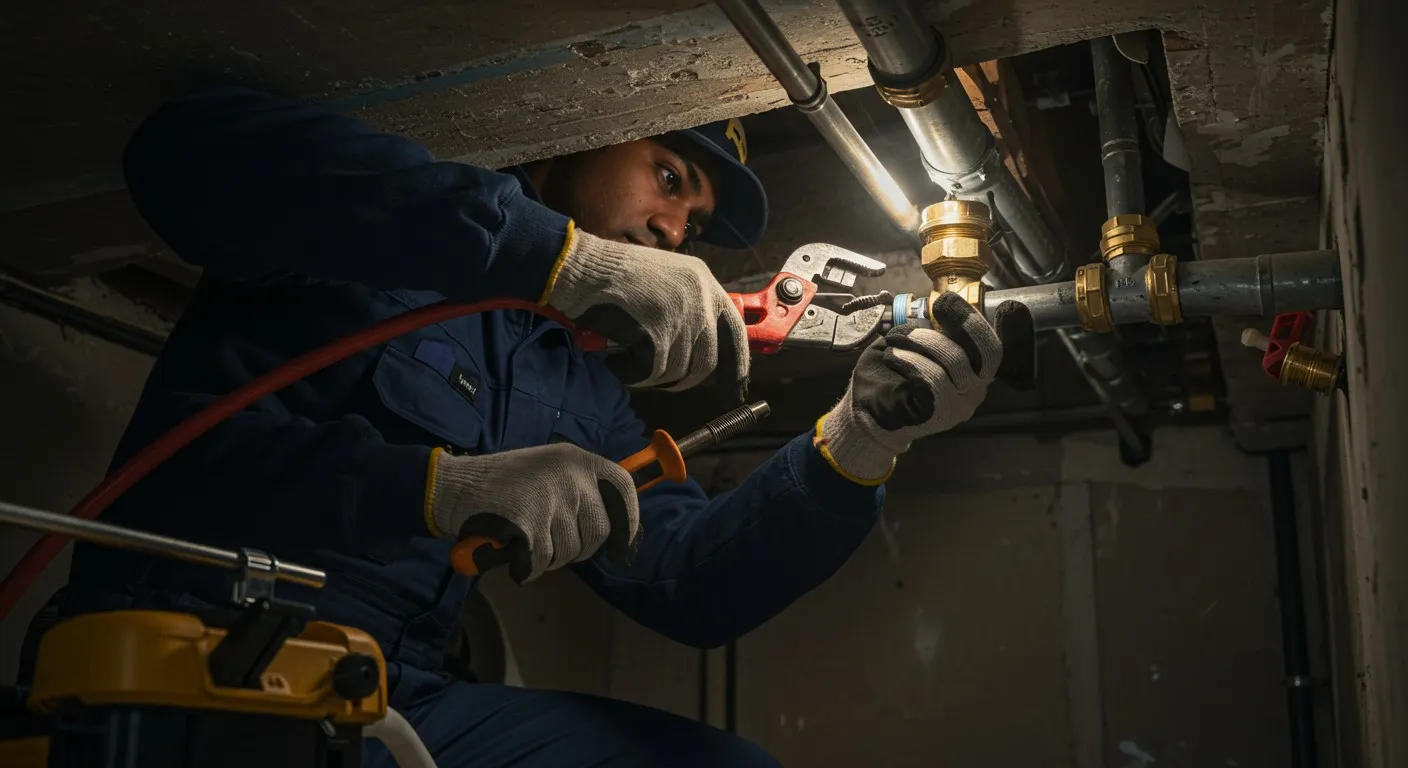
Plumbing repair in Cumming, GA covers common issues such as burst pipes, leaks, clogs, running toilets, water heater failures, and faulty fixtures. A detailed diagnostic process includes initial inspections, pressure testing, camera sewer inspections, and electrical or gas checks, followed by clear repair options with recommended materials and cost estimates. Homeowners are informed about emergency response expectations, available warranties, pricing structures, and practical maintenance tips to help prevent future problems and safeguard their homes.
Plumbing Repair in Cumming, GA
Plumbing problems disrupt daily life quickly. Whether you live near Lake Lanier, in a Forsyth County subdivision, or in an older home closer to downtown Cumming, prompt, accurate plumbing repair protects your property, reduces water waste, and prevents secondary damage like mold or structural rot. This page explains common plumbing repair issues in Cumming, GA, how they are diagnosed and fixed, typical response times for emergencies, the parts and materials used, warranty expectations, pricing models, and practical maintenance advice tailored to local conditions.
Common plumbing repair issues in Cumming, GA
- Burst or frozen pipes: Though winters in Cumming are mild compared with northern states, overnight freezes can still cause pipe bursts in exposed crawl spaces, exterior walls, or uninsulated garages.
- Leaks (hidden and visible): Leaks from supply lines, fittings, or appliances cause high water bills and hidden damage. Hard water mineral deposits in this region can accelerate valve and fixture wear.
- Clogged drains and mainline blockages: Kitchen grease, bathroom hair, and tree root intrusion into older sewer lines are frequent causes of slow or backed-up drains.
- Running toilets and faulty fixtures: Worn flappers, fill valves, and corroded internal parts lead to continuous water flow.
- Water heater failures: Sediment buildup, corroded tanks, failed heating elements, and pilot or burner issues result in reduced hot water or leaks.
- Broken or leaking fixtures: Faucets, shower valves, and hose bibs exposed to seasonal use experience wear and need replacement or repair.
Diagnostic process — what to expect
A thorough diagnostic prevents unnecessary replacement and targets the real cause.
- Initial inspection: Visual check of fixtures, pipes, visible leaks, water meter readings to confirm ongoing leaks.
- Pressure and leak testing: Supply lines and fixtures are pressure-tested; localized leak detection uses acoustic sensors or thermal imaging for hidden leaks.
- Drain and sewer inspection: A camera inspection of drains and sewer mains pinpoints blockages, breaks, offsets, or root intrusion.
- Water heater diagnosis: Electrical checks (elements, thermostats) or gas system checks (pilot, burners, gas pressure) plus inspection of anode rod, sediment, and tank condition.
- Detailed written estimate: After diagnosis, expect a clear explanation of the problem, recommended repair options, parts to be used, and cost structure.
Typical repair methods and materials
Repair methods are chosen for durability and compatibility with local water conditions.
- Pipe repairs and replacements: PEX, copper, and PVC/CPVC are common. PEX is often favored for easier installation and freeze-resistance; copper is used for durability in exposed areas. Dielectric unions are used where dissimilar metals meet.
- Leak repairs: Compression fittings, crimped PEX connections, or soldered copper joints depending on access and code requirements.
- Drain cleaning: Mechanical snaking for hair and debris, and hydro-jetting for heavy grease or mineral build-up. Camera inspections confirm success.
- Fixture repairs: Cartridge replacements, ceramic valve seats, and new seals for faucets; flapper and fill valve replacements for toilets.
- Water heater service: Element or thermostat replacement, anode rod replacement, tank flush to remove sediment, or full tank replacement with conventional or tankless models when repair is not cost-effective.
- Sewer repairs: Trenchless pipe lining or spot excavation depending on severity and location of damage, especially where tree roots are a factor.
Emergency response times and priorities
- Emergency plumbing (active leaks, burst pipes, flooding): Typical industry response targets are within 1 to 2 hours in metro and suburban areas when available. Immediate shutoffs and temporary containment are prioritized to limit damage.
- Urgent but non-emergency (no immediate flooding): Same-day service is commonly available for situations like no hot water, running toilets, or partial outages.
- Scheduled repairs and replacements: Non-urgent work such as water heater replacement or sewer lining is often scheduled within a few days depending on parts availability and workload.
Warranty and guarantee expectations
Understanding warranties helps set realistic expectations.
- Parts warranty: Many manufacturers back parts with 1 to 10 year warranties (tank water heaters, certain valves, or specialty components may carry longer warranties). Expect the exact terms to vary by brand and component.
- Labor guarantee: Typical labor warranties range from 90 days to 1 year for repair work. For larger installations, labor warranties may extend longer.
- Written documentation: Always request written warranty details for both parts and labor. Warranties often require documented maintenance (for example, annual water heater flush).
Pricing structures explained
- Flat-rate pricing: Common for routine repairs such as unclogging a drain, replacing a faucet cartridge, or replacing a toilet. Flat rates provide predictable costs for well-defined services.
- Hourly pricing: Used when scope is uncertain, such as diagnosing intermittent leaks, pipe rerouting, or extensive sewer repairs. Hourly work should come with an estimate of expected hours and a cap when possible.
- Estimates and change orders: Reputable estimates list parts, labor, and possible contingencies. Change orders document client-approved scope changes before additional work proceeds.
Examples of typical local repairs (case summaries)
- A suburban home experienced a burst copper line in an exterior wall after a rare overnight freeze. Diagnostic thermal imaging located the break; the team replaced the section with PEX, insulated the wall cavity, and pressure-tested the system to code.
- A mainline backup near a mature oak turned out to be root intrusion. Camera inspection confirmed roots; a targeted trenchless liner repair restored flow without major landscaping disruption.
- An older water heater repeatedly tripped the breaker. Diagnosis found heavy sediment and a failing element. After flushing and replacing the element and anode rod, hot water reliability was restored; in another similar home with a corroded tank, full replacement was recommended.
Maintenance tips for Cumming homes
- Winterize exposed pipes: Insulate outdoor faucets, hoses, and exposed indoor pipes before cold snaps to reduce freeze risk.
- Flush water heaters annually: Local water tends toward mineral content; annual flushing extends tank life and improves efficiency.
- Avoid grease down drains: Kitchen grease accumulates and causes mainline issues; dispose of grease in sealed containers instead.
- Monitor toilet performance: A running toilet can waste gallons daily; replacing flappers and fill valves is inexpensive and quick.
- Manage trees near sewer lines: Consider root barriers or periodic camera inspections if you have mature landscaping near sewer routes.
Why timely plumbing repair matters
Prompt, expert plumbing repair in Cumming, GA prevents escalation, reduces long-term costs, preserves home value, and addresses health and safety risks from mold and contaminated wastewater. Knowing common local causes—hard water mineral buildup, tree root intrusion, and occasional freeze damage—helps homeowners prioritize preventive maintenance and choose repair options that fit their property and budget.
This overview equips homeowners in Cumming with the information needed to evaluate repair options, understand typical timelines and warranties, and make informed decisions about protecting their homes from plumbing failures.
Customer
Testimonials


Service Areas