
Plumbing Maintenance in Cumming, GA
.webp)
A comprehensive plumbing maintenance program in Cumming, GA protects homes from local stresses like hard water and tree roots by providing scheduled inspections, routine care, priority service, discounted repairs, and detailed record-keeping. The plan outlines inspection steps, from system review to camera assessments, and lists routine tasks such as flushing water heaters, valve checks, leak monitoring, and sewer line inspections. Regular maintenance reduces emergencies, extends equipment life, and improves efficiency, delivering peace of mind for homeowners.
Plumbing Maintenance in Cumming, GA
Keeping your plumbing in top condition is about more than quick fixes. In Cumming, GA, where humid summers, heavy storm runoff, hard water, and a mix of older and newer homes create unique plumbing stresses, a structured plumbing maintenance program prevents small problems from becoming disruptive emergencies. This page explains what a comprehensive maintenance agreement includes, common plumbing maintenance issues in Cumming, GA, the inspection and service process, typical repairs covered by maintenance plans, and the long-term benefits of ongoing upkeep.
Why routine plumbing maintenance matters in Cumming, GA
Cumming experiences warm, humid summers and periodic heavy rains that can strain sewer and storm drainage systems. Many properties near Lake Lanier and established neighborhoods face tree root infiltration, mineral buildup from hard water, and seasonal usage changes. Regular maintenance addresses these local stresses proactively, reducing the chance of sudden leaks, backups, and costly replacements. A formal maintenance agreement gives homeowners predictable service, priority scheduling during peak demand, and cost savings on repairs.
Common plumbing maintenance issues in Cumming, GA
- Mineral scaling and reduced flow from hard water deposits on fixtures, aerators, and water heaters
- Slow drains and sewer backups caused by tree roots or accumulated debris in older drain lines
- Small leaks in supply lines, valves, and fixtures that worsen over time if not found
- Sediment buildup and reduced efficiency in water heaters leading to higher energy use and shorter lifespan
- Septic system monitoring needs for homes not on municipal sewer, including pumping schedules and drainfield checks
- Outdoor hose bib and irrigation valve issues from seasonal temperature swings and heavy use
What a Plumbing Maintenance Program in Cumming includes
A professional maintenance agreement typically bundles a set of services to keep systems working and record their condition over time. Standard elements include:
- Scheduled inspections: Annual, biannual, or quarterly visits tailored to your home and system needs
- Priority scheduling: Faster service windows for participating members during storms and peak seasons
- Discounted repairs: Reduced rates on parts and labor for covered service items and emergent repairs identified during inspections
- Routine maintenance tasks: Filter and valve checks, faucet and aerator cleaning, water heater flushing, pressure and temperature testing, and trap and drain inspections
- Leak monitoring and testing: Visual checks and electronic leak detection to find hidden leaks behind walls and under slabs
- Record-keeping: Detailed service history logs showing inspections, tests, parts replaced, and recommended next steps—useful for resale and warranty compliance
Typical inspection and diagnostic process
- Initial system review
A technician documents the layout of plumbing systems, ages of fixtures and appliances, water heater type, and sewer setup (municipal sewer or septic). This creates a baseline for future visits. - Visual and functional inspection
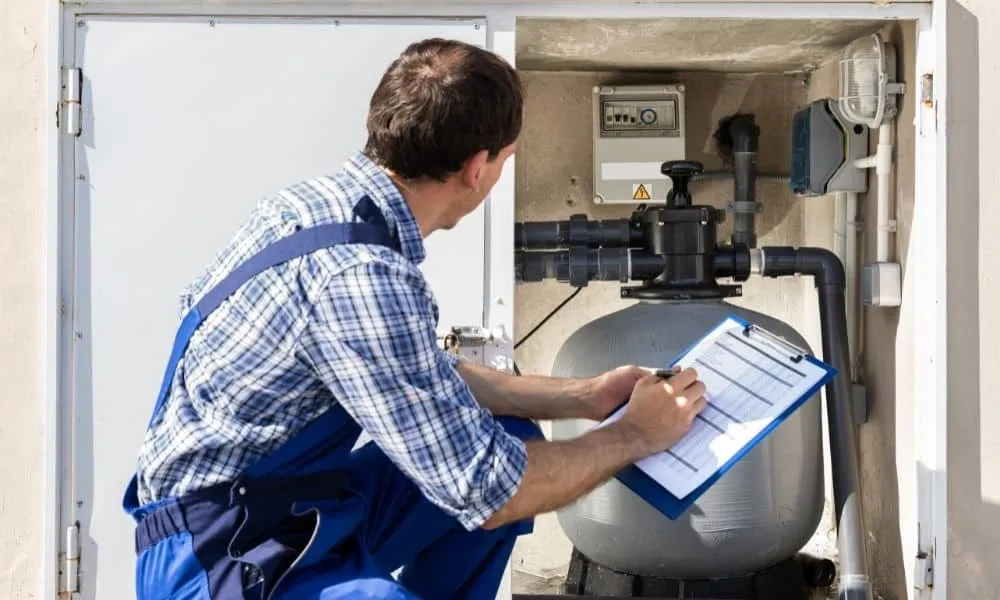
Check faucets, toilets, shutoff valves, hose bibs, supply lines, visible drainage, and water heater condition. Look for corrosion, leaks, low pressure, or slow drains. - Testing and measurement
Water pressure and temperature tests, sediment inspection in water heaters, and flow measurements. For suspected leaks, use moisture meters and electronic acoustic detection to pinpoint hidden issues. - Drain and sewer assessment
Where indicated, camera inspections identify root intrusion, sags, or buildup within sewer lines. This is especially useful in Cumming neighborhoods with mature trees or older clay pipes. - Report and maintenance schedule
You receive a clear report of findings, recommended repairs, and a tailored maintenance calendar (for example, water heater flush annually, shutoff valve exercise every 6 months).
Routine maintenance tasks explained
- Filter and aerator cleaning: Restores flow and reduces stress on fixtures. Aerators and supply filters are quick fixes that improve water quality and pressure.
- Valve checks and lubrication: Ensures shutoff valves operate smoothly in an emergency. Sediment and mineral deposits can seize valves over time.
- Water heater flush: Removes sediment that causes overheating, noise, and reduced efficiency. Extends tank life and lowers utility bills.
- Leak monitoring: Early detection of small leaks prevents water damage, mold, and structural issues. Includes both visual inspections and electronic detection where needed.
- System testing: Pressure, temperature, and backflow prevention tests keep systems safe and compliant, especially for irrigation lines common in Cumming yards.
- Sewer line camera inspections: Identifies root intrusion, cracks, or blockages before they cause backups into living spaces.
Repairs and solutions commonly covered or discounted
- Replacing worn shutoff valves and supply lines
- Clearing root-intruded sewer segments or recommending targeted repairs when necessary
- Water heater element replacement, sacrificial anode replacement, or recommendations for tank replacement when inefficiency is irreversible
- Repairing or replacing leaking fixtures and faucet cartridges
- Minor drain cleaning and preventative enzyme treatments to reduce buildup
- Septic system advisories and coordination of necessary pumping or repairs for non-municipal systems
Long-term benefits of an ongoing maintenance agreement
- Fewer emergency calls: Regular inspections catch problems early so you avoid urgent, costly service calls during storms or holidays.
- Extended system lifespan: Preventative care reduces wear on water heaters, pumps, and fixtures, delaying full replacements.
- Improved efficiency and lower bills: Clean systems and properly tuned equipment use less water and energy.
- Documented service history: Detailed records support home resale value and reveal trends so you can budget for eventual replacements.
- Priority access during high demand: When plumbing issues spike after extreme weather, maintenance members get faster response windows.
- Peace of mind: Knowing a professional team monitors your plumbing reduces unexpected disruptions to daily life.
Recommended maintenance frequency for Cumming homes
- Water heater flush and inspection: annually
- Main shutoff and exterior valve checks: every 6 months
- Drain and trap inspection: annually, or sooner if you have trees near sewer lines
- Backflow and irrigation checks: annually, especially after winter freeze events
- Septic inspection and pumping: follow local health guidelines, commonly every 3 years depending on household size and usage
A focused plumbing maintenance program in Cumming, GA protects your home from local challenges like hard water, tree root intrusion, seasonal weather swings, and high irrigation demands. Through scheduled inspections, routine care, priority service, discounted repairs, and thorough record-keeping, ongoing maintenance reduces emergencies, stretches equipment life, and keeps systems efficient and reliable.
Customer
Testimonials


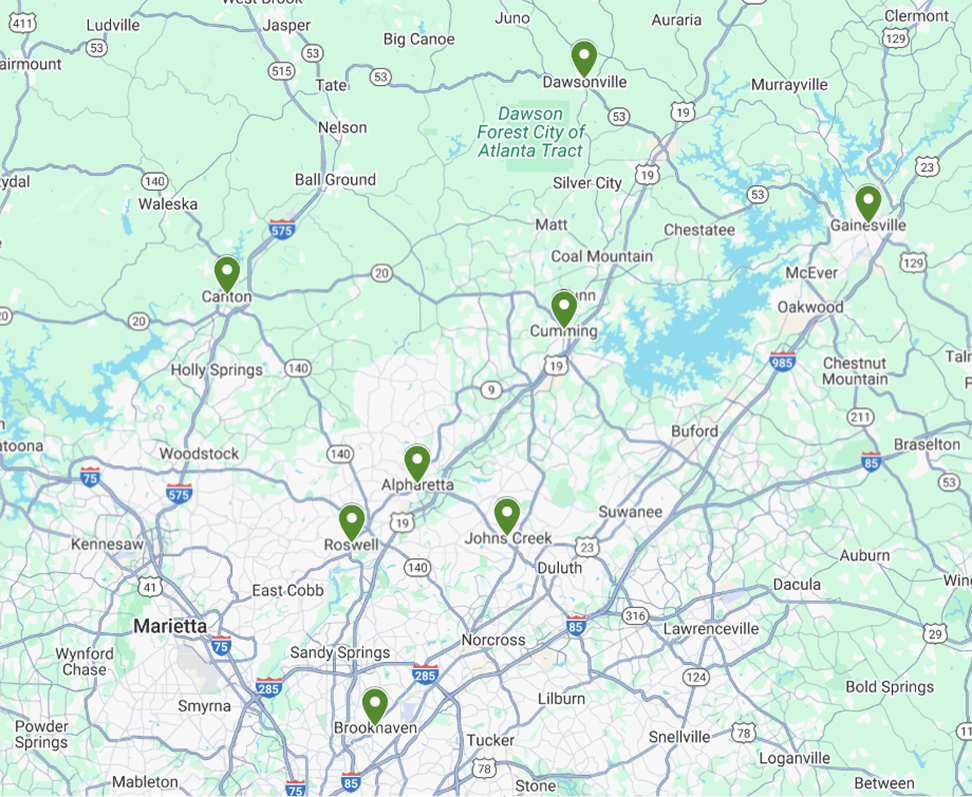
Service Areas