
Whole House Air Quality Testing in Canton, GA
.webp)
Whole House Air Quality Testing in Canton, GA offers an evidence-based assessment of indoor air, identifying sources of pollutants and prioritizing targeted fixes to improve health, comfort, and safety. The service covers PM2.5/PM10, VOCs, mold, CO, humidity, and allergens with real-time and lab analyses, using multi-zone sampling and HVAC-focused evaluations. Reports translate data into actionable recommendations, specify urgency and retesting timelines, and support ongoing maintenance through follow-up testing and seasonal checks for durable air quality improvements.
Whole House Air Quality Testing in Canton, GA
Homes in Canton, GA face a distinct mix of air quality challenges: hot, humid summers that encourage mold growth, heavy spring and fall pollen from local hardwoods, traffic and commuter emissions from nearby corridors, and occasional wood smoke or backyard burning. Whole House Air Quality Testing in Canton, GA gives you a clear, evidence-based picture of what is in the air of your home, where problems originate, and which targeted fixes will improve health, comfort, and indoor air safety.
Why whole house testing matters for Canton homes
- High interior humidity in North Georgia increases mold and dust mite risk.
- Seasonal pollen loads drive allergy and asthma symptoms for many residents.
- Older homes and attached garages can introduce VOCs and combustion byproducts.
- HVAC systems can spread contaminants through the entire living space if not properly filtered and ventilated.
If you notice unexplained allergy flare-ups, persistent odors, frequent illness, or unusual respiratory symptoms in your household, whole house testing identifies whether air quality is a root cause and guides prioritization of effective solutions.
What comprehensive testing covers
A full assessment looks at the common contaminants that impact health and comfort in Canton homes:
- Particulate matter (PM2.5 and PM10) — fine and coarse particles from outdoor pollution, wood smoke, cooking, and indoor activities.
- VOCs (volatile organic compounds) — offgassing from paints, cleaning products, furnishings, and attached garages.
- Mold and mildew — airborne spore counts and surface sampling where indicated.
- Carbon monoxide (CO) — combustion safety checks for heating systems, water heaters, and attached garages.
- Humidity and temperature — continuous logging to identify conditions that encourage biological growth.
- Allergens — pollen, pet dander, and dust mite indicators through settled dust sampling or air samples.
Instruments and sampling methods explained
Testing uses industry-standard instruments and lab methods so results are precise and actionable:
- Real-time particle counters / laser photometers to measure PM2.5 and PM10 concentrations and show peaks from cooking, vacuuming, or outdoor infiltration.
- Gravimetric samplers for time-weighted particulate measurement when regulatory-grade accuracy is required.
- PID (photoionization detector) and sorbent tube sampling for VOC identification and quantification, with lab analysis for specific compounds when needed.
- Spore trap air samples and surface tape/swab samples analyzed by microscopy or laboratory culturing to characterize mold types and concentrations.
- Electrochemical CO monitors for immediate safety assessment and continuous logging where intermittent leaks are suspected.
- Data loggers for humidity and temperature monitoring over 24 to 72 hours to capture daily cycles.
- HVAC duct airflow and filter efficiency checks to evaluate distribution and filtration performance.
Sampling strategy is tailored per home: baseline outdoor samples, multi-zone indoor sampling (living areas, bedrooms, basement/attic, near garage), HVAC return and supply locations, and event-triggered monitoring to capture occupant activities or outdoor events that raise levels.
Example diagnostic report components
Reports are written for clear decision making and typically include:
- Executive summary: Key findings and prioritized concerns in plain language.
- Measurement data: Tables and simple graphs showing PM, VOCs, CO, humidity, and spore counts with time series where applicable.
- Comparison to guidelines: Context for results using commonly referenced health benchmarks (e.g., EPA, WHO) and local outdoor baselines.
- Source assessment: Likely sources for identified contaminants (e.g., cooking, HVAC leakage, garage door gaps, attic moisture).
- Actionable recommendations: Short-, medium-, and long-term measures prioritized by impact and urgency.
- Follow-up plan: Recommended retesting schedule and clearance procedures after remediation.
Sample findings you may see in Canton GA homes:
- Elevated PM2.5 during morning commute hours and wood-burning evenings compared with outdoor baseline.
- VOC spikes in rooms adjacent to attached garages or recently renovated areas.
- Persistent indoor relative humidity above 60% in basements and crawlspaces, with corresponding elevated mold spores.
- Small, intermittent CO excursions linked to a poorly vented gas water heater.
Clear, prioritized solutions
Recommendations focus on eliminating sources, improving filtration and ventilation, and targeted remediation:
- Source control: Seal gaps between garage and living spaces, replace off-gassing products with low-VOC alternatives, fix plumbing leaks and poor attic ventilation to reduce mold risk.
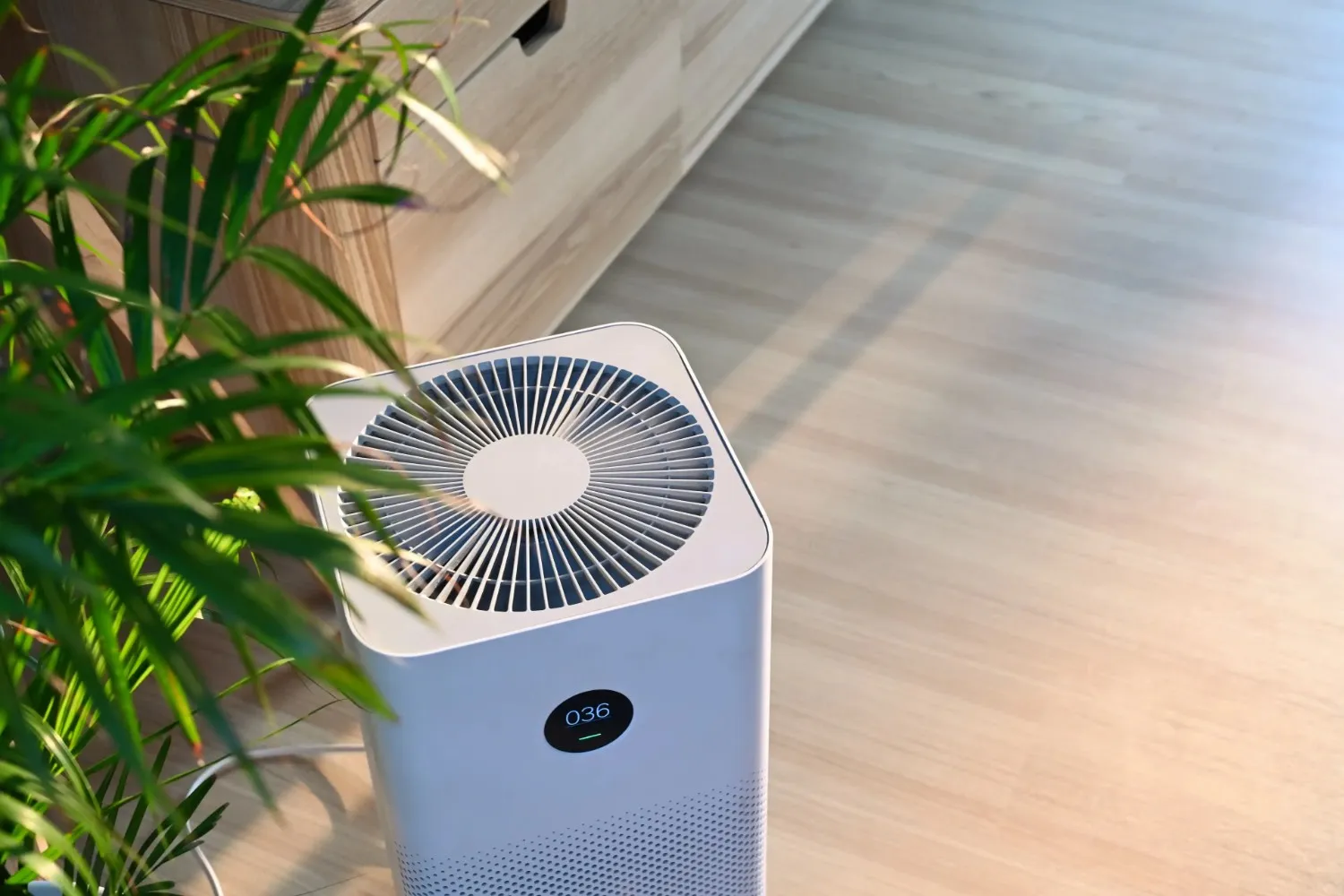
- Filtration upgrades: Installing higher-efficiency filters (appropriate MERV level for your HVAC) and adding HEPA-grade portable air cleaners in bedrooms and living areas to reduce PM2.5 and allergens.
- Ventilation improvements: Balanced mechanical ventilation (ERV/HRV or ducted fresh-air systems) to reduce VOC buildup while controlling humidity.
- Humidity management: Dehumidification in basements and crawlspaces, setpoints to maintain relative humidity between 40 and 50 percent during warm months.
- Combustion safety: Repairing or replacing poorly maintained furnaces, water heaters, or gas appliances and ensuring proper venting to eliminate CO risks.
- Mold remediation: Containment, removal of affected materials, and drying combined with antifungal cleaning as needed; followed by clearance testing to verify effectiveness.
- Behavioral changes: Venting kitchens during cooking, using exhaust fans, and minimizing indoor smoking or wood burning to reduce particle peaks.
Each recommendation is presented with expected outcome, urgency level, and typical retesting timeline so you can prioritize work that reduces the greatest health risks first.
Follow-up services and retesting options
Testing does not end with a report. Effective programs include:
- Post-remediation clearance testing to confirm mold remediation or VOC source removal succeeded.
- 48 to 72 hour continuous monitoring after HVAC or ventilation upgrades to verify sustained improvement.
- Seasonal checks before high-pollen spring and during humid summer months to identify recurring issues.
- Subscription-based monitoring plans for homes with vulnerable occupants (infants, elderly, respiratory conditions) or sensitive equipment.
- Targeted rechecks after filter upgrades, new construction or renovation work, or suspected combustion appliance repair.
Long-term benefits and maintenance tips
Regular, data-driven testing keeps your Canton home healthier and more comfortable. Benefits include fewer allergy and asthma episodes, reduced odor and mustiness, improved HVAC efficiency, and greater confidence that remediation work actually solved the problem. Maintain improved air quality with simple practices:
- Replace or clean HVAC filters per manufacturer guidance and upgrade filtration where appropriate.
- Run bathroom and kitchen exhaust fans during use.
- Monitor indoor humidity and use dehumidifiers in basements during humid months.
- Address water intrusions promptly to prevent mold growth.
- Schedule periodic whole home reassessments after significant changes like remodeling or new fuel-burning appliances.
Whole house air quality testing in Canton, GA gives you the evidence and prioritized plan needed to make smart, health-focused decisions for your home environment.
Customer
Testimonials


Service Areas