Duct Cleaning in Canton, GA
.webp)
Duct cleaning in Canton, GA explains how professional airflow services restore HVAC efficiency and improve indoor air quality by removing dust, pollen, pet dander, mold, and debris from ducts. It outlines common local issues, diagnostic steps with camera inspection, and a step-by-step cleaning process that emphasizes containment and thorough vacuuming, coil care, and post-cleanup proof. It also covers benefits, recommended cleaning frequency, documentation guarantees, and maintenance tips to minimize recontamination and maintain comfort in humid North Georgia homes.
Duct Cleaning in Canton, GA
Clean, well-maintained ductwork is one of the most effective ways to improve indoor air quality and restore HVAC performance in Canton, GA homes. With hot, humid summers, high seasonal pollen and occasional heavy leaf buildup, ducts in the North Georgia region can accumulate dust, allergens, and moisture-driven contaminants that reduce comfort and strain heating and cooling systems. This page explains what professional duct cleaning looks like in Canton, GA, how problems are diagnosed and resolved, typical contaminants removed, and why timely service protects your indoor environment and equipment.
Why duct cleaning matters in Canton, GA
Many Canton homes experience elevated airborne allergens from oak and grass pollen in spring and fall, plus higher indoor humidity that encourages dust and mold accumulation in ducts and on coils. Clogged or dirty ducts can cause:
- Reduced airflow and uneven heating or cooling
- Higher runtime for HVAC equipment and premature wear
- Noticeable dusting and recurring allergy symptoms indoors
- Odors or visible mold growth around vents
Professional duct cleaning addresses these issues by removing the buildup that standard filter changes and routine HVAC service may miss.
Common duct issues we address in Canton homes
Homes in the Canton area present a predictable set of duct and indoor air quality concerns:
- Heavy pollen and fine dust tracked in during spring and fall
- Pet dander accumulation in homes with multiple pets
- Mold or musty odors caused by attic or crawlspace moisture
- Debris from renovations, attic insulation movement, or rodent activity
- Clogged supply registers and evaporator coil contamination that impede airflow
Understanding the local causes helps determine how aggressively ducts should be cleaned and whether additional moisture control or filtration upgrades are recommended.
Inspection and diagnostics (camera/video driven)
A professional inspection is the first step in any effective duct cleaning job. Standard diagnostic steps include:
- Visual inspection of registers and furnace return grills for surface debris
- Use of flex-cameras or video inspection tools to assess the interior of ducts, junctions, and the plenum for dust depth, blockages, or visible mold
- Checking evaporator coil and blower wheel condition to see if contaminants have migrated from the air handler
- Measuring airflow and static pressure to evaluate performance impact
Camera and video documentation give you a clear, objective picture of the problem before cleaning begins and serve as the baseline for before-and-after proof.
The cleaning process: agitation, vacuum, coil and register care
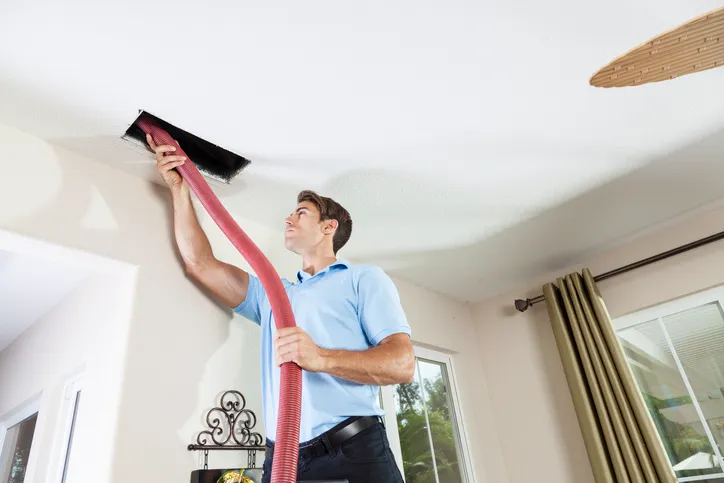
Professional duct cleaning follows a systematic process to dislodge and remove contaminants without spreading dust into living spaces:
- Sealing and containment - Protect living areas by isolating vents and using negative-pressure containment where needed.
- Agitation - Mechanical agitation tools (brushes, air-whips, compressed air nozzles) loosen settled dust and debris from duct walls and register boots.
- High-powered vacuuming - A truck-mounted or powerful portable negative-air vacuum removes dislodged material through a dedicated access point, preventing recontamination of the home.
- Coil and blower cleaning - Technician access to the air handler allows for coil and blower wheel cleaning, improving heat exchange efficiency and airflow.
- Register and grill cleaning - Supply registers and return grilles are cleaned and sanitized if necessary before reinstallation.
- Final inspection and video proof - A post-clean camera inspection verifies removal and documents the results.
This approach emphasizes containment and captured removal so contaminants leave the home rather than recirculate.
Common contaminants removed
Professional cleaning targets a wide range of materials that accumulate in Canton duct systems:
- Household dust and fine particulates
- Pollen and outdoor allergen residue
- Pet dander and hair
- Mold spores and biofilm where moisture has been present
- Construction dust and insulation fibers after remodels
- Insect or rodent debris in older or infrequently serviced systems
Removing these contaminants reduces particle loads in the home and lowers the likelihood of allergens recirculating.
Benefits for system efficiency and indoor air quality
Effective duct cleaning produces measurable benefits for Canton homeowners:
- Improved airflow and more consistent room temperatures
- Reduced run time and strain on HVAC equipment, helping extend service life
- Lower indoor particulate concentrations, which can ease allergy and asthma symptoms
- Reduced dusting and fewer clogs at registers and filters
- Elimination of odor sources tied to mold, pet dander, or accumulated debris
Because Canton’s climate stresses systems with humidity-driven loads, timely cleaning can be particularly impactful on energy usage and comfort during summer months.
Recommended frequency and special considerations for Canton
General guidance for most homes is every 3 to 5 years, but Canton-specific factors can change that recommendation:
- More frequent cleaning may be warranted for homes with pets, smokers, recent renovations, or documented mold issues
- Older duct systems with leaks or torn insulation may need both cleaning and repairs before long-term benefits are realized
- Homes with high indoor humidity or attic moisture issues should address the moisture source to prevent recontamination
A diagnostic inspection determines the ideal interval based on observed buildup, occupancy, and local environmental conditions.
Before-and-after documentation and guarantees
Transparent documentation is standard practice for professional duct cleaning. Expect:
- Pre-service video or photo evidence from a camera inspection
- A post-clean camera inspection showing cleared duct surfaces
- A written summary of findings and services performed
Many reputable providers stand behind their work with workmanship or satisfaction guarantees that cover the quality of the cleaning and any immediate follow-up needed to resolve residual issues. Guarantees typically focus on the scope of cleaning and the documented results rather than long-term IAQ changes that depend on ongoing home conditions.
Maintenance tips and long-term indoor air quality
After professional cleaning, these steps help preserve results and reduce reaccumulation:
- Use high-efficiency filters appropriate for your HVAC system and change them on the recommended schedule
- Control humidity with ventilated attics, dehumidifiers, or properly sized HVAC equipment
- Seal or repair duct leaks and add insulation where needed to prevent condensation
- Address crawlspace and attic moisture sources that can promote mold
- Schedule periodic inspections, especially after renovations or pest activity
Regular filter maintenance and moisture control are the most cost-effective ways to extend the benefits of a professional duct cleaning.
ConclusionFor Canton, GA households dealing with high seasonal pollen, humidity-related mold risk, pet dander, or post-renovation dust, professional duct cleaning provides a thorough, documented way to restore airflow, improve indoor air quality, and protect HVAC equipment. With camera-backed diagnostics, targeted agitation and vacuum methods, coil and register care, and clear before-and-after proof, a well-executed duct cleaning program addresses immediate contaminants and sets the stage for healthier, more efficient home comfort.
Customer
Testimonials


Service Areas