
HVAC Tune-Up in Roswell, GA
.webp)
HVAC tune-ups in Roswell, GA provide preventive maintenance to improve efficiency, prevent mid-summer breakdowns, and maintain indoor air quality. The guide outlines local stresses, common issues like clogged filters and refrigerant leaks, and a seasonal checklist covering filters, coils, refrigerant, thermostats, safety checks, and condensate systems. It explains plain-language diagnostic steps, lists tangible benefits, and describes scheduling, preparation, and at-home maintenance tips to extend system life. Regular upkeep helps maintain comfort, extend equipment life, and reduce costly repairs.
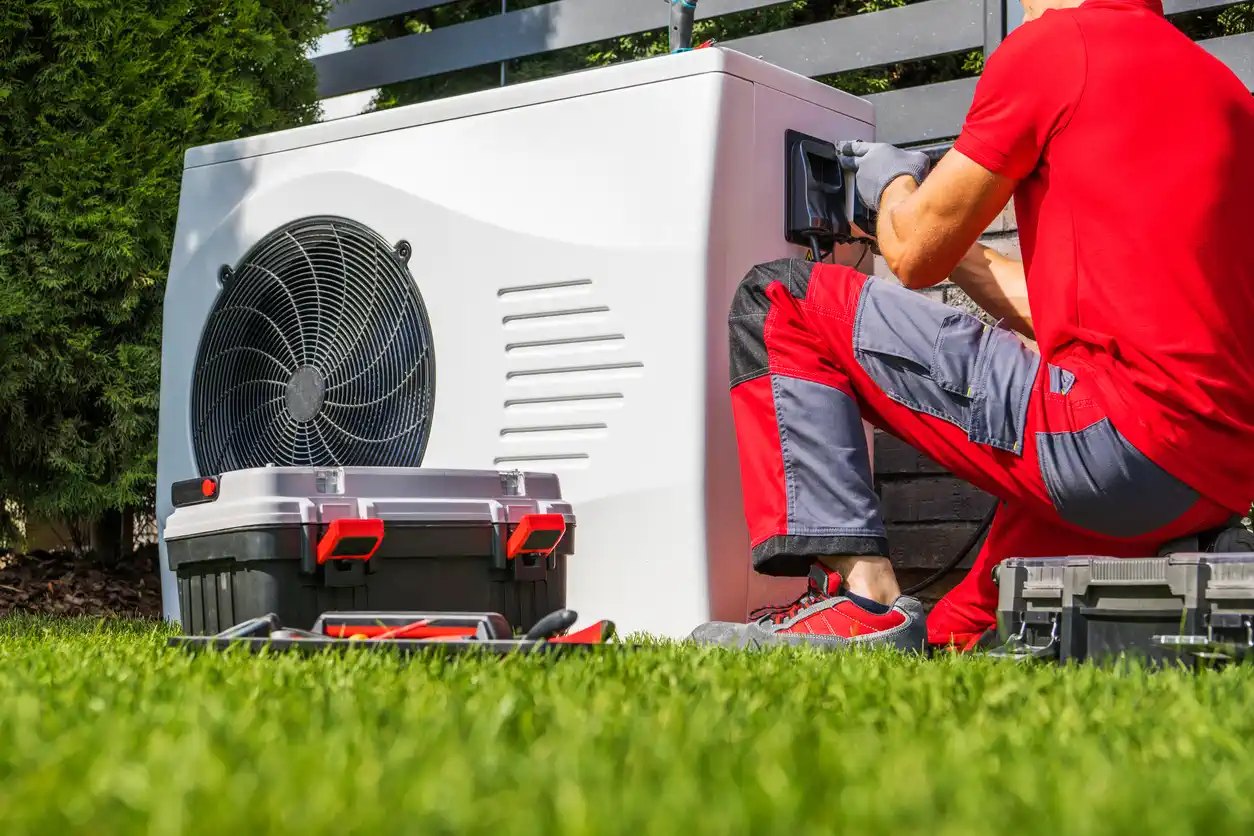
HVAC Tune-up in Roswell, GA
Keeping your HVAC system tuned and inspected is essential in Roswell, GA, where hot, humid summers and pollen-heavy springs put extra strain on heating and cooling equipment. A professional HVAC tune-up restores efficiency, prevents breakdowns during peak demand, and improves indoor air quality in local homes. Below is a clear, expert guide to what a seasonal tune-up includes, common issues Roswell homeowners face, the diagnostic checks technicians perform, and how the booking process typically works.
Why a seasonal HVAC tune-up matters in Roswell, GA
Roswell’s climate means air conditioners run longer and fight humidity more than in many other places. That leads to:
- Faster filter clogging from spring pollen and summer dust
- Higher cooling loads, increasing wear on compressors and motors
- Greater risk of condensate drain clogs and mold growth from persistent humidity
- Outdoor unit debris from storms, falling leaves, and pine needles
A tune-up addresses these local stresses, lowering energy use, reducing emergency repairs, and helping systems reach and maintain designed performance levels when you need them most.
Common HVAC tune-up issues in Roswell homes
Homeowners in this region frequently see:
- Reduced cooling capacity or uneven rooms due to clogged filters, dirty coils, or low refrigerant
- Short-cycling or frequent on/off cycles that increase wear and utility costs
- Frozen evaporator coils caused by restricted airflow or low refrigerant
- Condensate drain clogs and mildew smells from stagnant water and high humidity
- Thermostat inaccuracy leading to temperature swings
- Corrosion or electrical wear on outdoor units exposed to weather and yard debris
Identifying and resolving these problems during a tune-up prevents them from turning into costly mid-summer failures.
What an HVAC tune-up covers (seasonal checklist)
A thorough tune-up follows a standard checklist focused on safety, reliability, and efficiency. Core items include:
- Filter inspection and replacement: Verify filter type and condition; replace or advise on upgrade to higher MERV where appropriate for indoor air quality.
- Refrigerant level and leak inspection: Measure refrigerant charge and check for pressure irregularities or visible/oil traces indicating a leak. Addressing leaks preserves cooling efficiency.
- Coil and condenser cleaning: Clean indoor evaporator coils and outdoor condenser fins to restore heat transfer and airflow. Remove debris, leaves, and pollen from the unit exterior.
- Thermostat calibration and settings: Confirm thermostat accuracy and verify correct program or control logic for local seasonal settings.
- Safety and performance checks:
- Inspect electrical connections, capacitors, and contactors for wear and tightness
- Test blower motor performance and measure airflow to ensure proper circulation
- Examine heat exchanger (on gas systems) or reversing valve (on heat pumps) for integrity
- Check for carbon monoxide indicators or signs of combustion issues where applicable
- Drain and condensate system maintenance: Clear condensate lines and pans to prevent backups and mold growth in humid conditions.
- Operational run and performance verification: Run complete cooling/heating cycle, measure temperature differential (supply vs return), listen for unusual noises, and confirm stable operation.
Technicians typically document findings and recommend prioritized repairs or parts replacements when necessary.
Diagnostic details explained in plain language
During a tune-up, a technician uses simple measurements and visual inspection to determine system health:
- Checking the filter and airflow ensures the system can move the right amount of air; restricted airflow is a leading cause of freeze-ups and poor comfort.
- Measuring refrigerant pressures and temperatures reveals whether the system has the correct charge. Low refrigerant not only reduces cooling but often signals a leak that must be located and repaired.
- Cleaning coils and condenser fins restores the surface area needed for heat transfer. Dirty coils force the system to run longer and raise electric bills.
- Running the system while checking electrical components and motor amperage prevents unexpected failures from worn capacitors or loose wiring, common after intense seasonal use.
All checks are presented in plain terms so you understand what was tested, why it matters, and what benefit you’ll see from any recommended service.
Benefits of regular HVAC tune-ups
Consistent seasonal maintenance delivers measurable benefits for Roswell homeowners:
- Lower energy bills through improved efficiency when coils, filters, and refrigerant levels are optimized
- Fewer emergency repairs by catching wear and small failures before they escalate during peak heat
- Longer equipment life because motors, compressors, and fans work under less stress
- Better indoor air quality as filters and condensate systems are cleaned, reducing allergens and mold risk in high-humidity months
- Reliable home comfort with stable temperatures and fewer hot or cold spots
- Warranty preservation in many cases, since manufacturers often require routine maintenance to keep warranty coverage valid
How a typical tune-up appointment is scheduled and prepared for
Booking a seasonal tune-up generally follows these practical steps to ensure a smooth, efficient visit:
- Choose the season best for your needs: spring inspections focus on cooling readiness; fall visits prepare heat pumps or furnaces for cooler months.
- Gather basic system information: make, model, and approximate age of your furnace or air conditioner, and note any recent issues or unusual sounds.
- Confirm access and clear the area around indoor and outdoor units: trim vegetation near the condenser and ensure the indoor unit access panel is reachable.
- Expect a professional inspection checklist: the technician will inspect filters, coils, refrigerant, electrical items, thermostats, and condensate lines, then run the system through cycles.
- Review documented results and recommendations: you’ll receive a clear summary of findings, prioritized repair items, and maintenance tips to keep systems operating efficiently between visits.
Technicians may also offer seasonal advice tailored to Roswell homes, such as filter grade recommendations for pollen season or steps to minimize condensate issues during humid months.
Maintenance tips between tune-ups
Between professional visits, simple actions help extend the benefits of a tune-up:
- Replace or clean filters every 1 to 3 months, depending on filter type and household conditions.
- Keep the outdoor condenser clear of debris, grass clippings, and leaves.
- Run ceiling fans and ensure vents are unblocked to improve airflow and comfort.
- Monitor for signs like unusual noises, odors, or rapid cycling and note when they started to help with diagnostics.
Regular, proactive care combined with seasonal professional tune-ups keeps HVAC systems running reliably and efficiently in Roswell, GA, where climate stresses make maintenance especially valuable.
Customer
Testimonials


Service Areas