
HVAC Installation in Roswell, GA
.webp)
Professional HVAC installation in Roswell, GA, detailing how accurate load calculations and system sizing ensure reliable comfort and energy efficiency. The guide covers selecting energy-efficient models, site preparation, ductwork considerations, and compliance with permits and codes. It provides detailed installation steps, including refrigerant handling, testing, and commissioning, to ensure optimal performance from day one. Additionally, it outlines warranty coverage, maintenance recommendations, and long-term benefits for Roswell homes, emphasizing durability, improved indoor air quality, and reduced operating costs, helping homeowners make informed decisions.
HVAC Installation in Roswell, GA
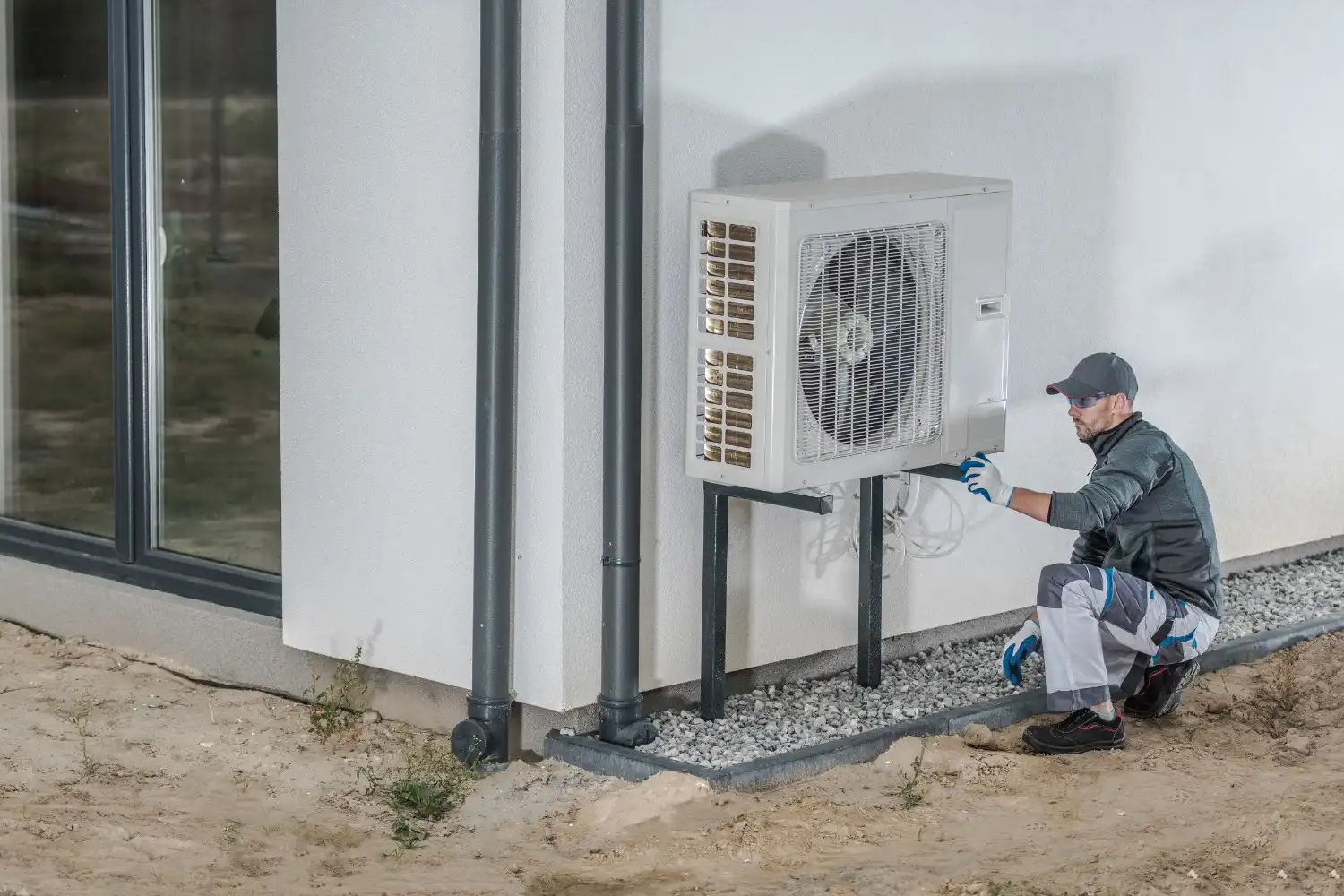
An HVAC installation in Roswell, GA is more than swapping an old unit for a new one. With hot, humid summers and occasional cold snaps, homes in Roswell need correctly sized, efficiently installed systems that manage temperature and humidity while keeping energy costs under control. This page explains what a professional new system installation looks like: load calculations and system sizing, energy-efficient model selection, site preparation and installation procedures, permits and code compliance, and warranty plus post-installation testing — all tailored to Roswell homes and climate realities.
Why Roswell homeowners replace or upgrade HVAC systems
Common reasons for new system installation in Roswell include:
- Rising cooling bills and failing efficiency from aging equipment
- Inadequate humidity control during humid Georgia summers
- Frequent breakdowns or high repair costs on older systems
- Desire for better indoor air quality or quieter operation
- Replacing non-code-compliant or unsafe components in older homes
Understanding these pain points helps prioritize solutions that address comfort, energy savings, and long-term reliability.
Common HVAC system types for Roswell homes
- Central split systems (most common for single-family homes)
- High-efficiency heat pumps (well-suited for mild winter climate)
- Ductless mini-splits (for additions, zone control, or homes without ductwork)
- Packaged rooftop units (for certain multi-zone or commercial-residential conversions)
- Furnace and AC combinations (for homes with existing gas lines needing heating capacity)
Each option has tradeoffs in efficiency, humidity control, and installation complexity that a site-specific consultation should resolve.
Load calculations and system sizing: the foundation of proper installation
Accurate load calculations and sizing are critical. Oversized or undersized equipment leads to short cycling, poor humidity control, and reduced lifespan. For Roswell homes, technicians should perform a full heating and cooling load analysis that accounts for:
- Square footage, ceiling heights, and room-by-room layout
- Insulation levels, window types, and orientation (sun exposure in summer)
- Local climate data reflecting Roswell’s humid subtropical conditions
- Air infiltration rates and existing duct performance
This typically involves a Manual J (or equivalent) load calculation for capacity and Manual D for duct design. Proper sizing ensures the system manages Roswell’s summer heat and humidity efficiently while providing reliable winter comfort.
Energy-efficient model consultation
When selecting equipment, consider metrics and features that matter in Roswell:
- SEER and HSPF ratings for cooling and heat pump efficiency
- Variable-speed compressors and multi-stage systems for better humidity control and consistent comfort
- High-efficiency air handlers and matched components to ensure optimal performance
- Zoned systems or smart thermostats to target living areas and reduce run time
An energy-focused consultation will weigh upfront cost against long-term savings and comfort improvements, particularly given Roswell’s extended cooling season.
Site preparation and professional installation procedures
A professional installation follows a clear process to protect performance and home integrity:
- Pre-install survey: document existing equipment, duct layout, electrical capacity, and access points.
- Site preparation: protect flooring and landscaping, clear attic/roof access, and plan refrigerant and condensate routing.
- Ductwork evaluation and remediation: seal, insulate, or modify ducts to ensure proper airflow and reduce losses common in older Roswell homes.
- Electrical and structural work: upgrade breakers, install proper disconnects, and add curbs or supports for rooftop equipment if needed.
- Refrigerant handling and piping: install correctly sized refrigerant lines, vacuum and charge to manufacturer specifications by certified technicians.
- Drainage and condensate management: ensure proper slope and overflow protection to prevent moisture issues in humid conditions.
- Start-up and commissioning: verify airflow, temperature split, refrigerant charge, and system controls.
Each step affects long-term reliability and comfort; shortcuts often lead to recurring problems, especially with humidity and cooling performance in Roswell.
Permits, code compliance, and certified workmanship
New HVAC installations must comply with local building codes and permit requirements. In Roswell, installations typically require:
- Building and mechanical permits through the City of Roswell and applicable inspections
- Compliance with Georgia energy codes and local amendments
- Work performed by licensed HVAC technicians and electricians
- EPA Section 608-certified handling of refrigerants
Proper permitting and inspection ensure safety, code compliance, and a smoother homeowner experience during resale or warranty claims.
Warranty coverage and post-installation testing
A complete installation includes documentation and testing to protect the homeowner:
- Manufacturer warranty registration and explanation of parts and compressor coverage
- Labor warranty terms for installation workmanship
- Post-installation testing: measured airflow, static pressure, temperature split, and, when applicable, combustion analysis for gas systems
- A start-up report or commissioning checklist that records installation settings and operating conditions
Thorough post-installation testing confirms the system meets expected efficiency and comfort levels from day one, which matters in Roswell’s demanding cooling season.
Long-term benefits and maintenance advice for Roswell homes
Replacing or correctly installing an HVAC system delivers:
- Lower monthly energy bills and improved humidity control
- More consistent comfort throughout the home and reduced hot/cold spots
- Fewer emergency repairs and longer equipment life when installed and commissioned properly
To protect your investment in Roswell’s climate:
- Schedule seasonal tune-ups (spring for cooling, fall for heat pump/furnace)
- Use the right filters (MERV 8–13 depending on system and indoor air quality needs)
- Keep attic and crawlspace insulation and ventilation in good condition to reduce load
- Seal and insulate ductwork, especially in unconditioned attics common to local homes
- Consider a programmable or smart thermostat to reduce runtime during away periods
Proper maintenance and correct installation together deliver the best comfort, durability, and efficiency for Roswell homes.
Final note: an HVAC installation that begins with accurate load calculations, follows professional site preparation and code-compliant procedures, and includes thorough post-install testing results in predictable comfort, better humidity control, and lower operating costs tailored to Roswell’s climate and housing stock.
Customer
Testimonials


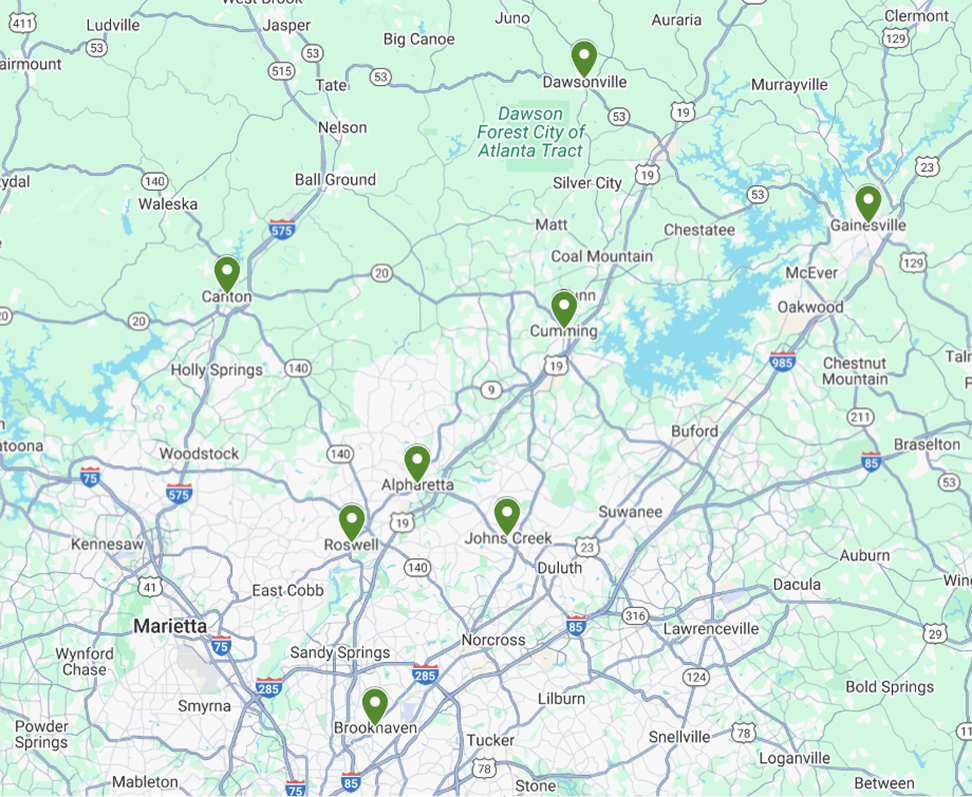
Service Areas