
HVAC Tune-Up in Dawsonville, GA
.webp)
An HVAC tune-up in Dawsonville, GA optimizes system performance, improves energy efficiency, and extends equipment life through safety checks, filter replacement guidance, coil cleaning, refrigerant and airflow verification, and thermostat calibration. The service addresses local climate challenges, reduces emergency repairs, and enhances indoor comfort. The process follows a structured inspection and maintenance plan, delivers prioritized recommendations, and provides homeowners with actionable steps to maintain peak performance between visits, including seasonal scheduling and simple maintenance tasks.
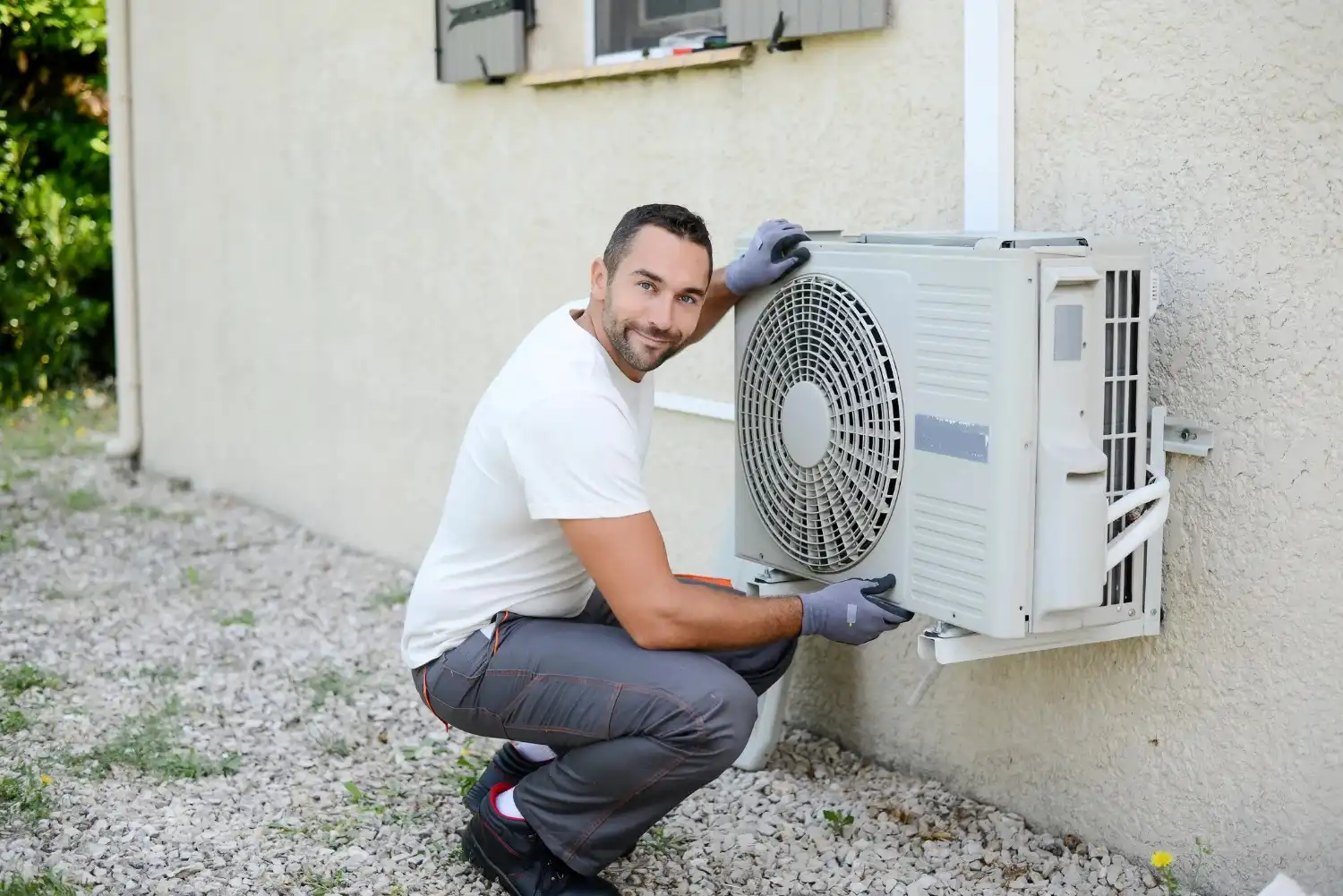
HVAC Tune-up in Dawsonville, GA
Keeping your heating and cooling system running reliably and efficiently is especially important in Dawsonville, GA, where humid, hot summers and cool mountain-influenced winters put seasonal stress on HVAC equipment. A professional HVAC tune-up in Dawsonville, GA focuses on performance optimization, safety checks, and preventative maintenance so your system uses less energy, breaks down less often, and keeps indoor air comfortable year-round.
Why seasonal HVAC tune-ups matter in Dawsonville, GA
Dawsonville homes face specific challenges that make routine tune-ups essential:
- Hot, humid summers increase AC runtime and moisture load, accelerating coil fouling and encouraging mold in drain lines.
- Spring pollen and nearby forested areas mean outdoor condensers and filters collect debris faster.
- Cooler nights and variable mountain weather put periodic demands on heating equipment and heat pumps.Regular tune-ups reduce emergency repairs during heat waves or cold snaps and help systems operate at peak efficiency, saving energy and extending equipment life.
Common HVAC tune-up issues in Dawsonville, GA
Technicians performing seasonal tune-ups in this area frequently find:
- Clogged or dirty air filters restricting airflow and reducing comfort
- Dirty evaporator or condenser coils causing reduced cooling capacity
- Low refrigerant levels from leaks that harm compressor performance
- Worn belts and bearings creating noise and inefficiency
- Loose or corroded electrical connections increasing failure risk
- Thermostat drift or calibration issues leading to uneven temperature control
- Blocked condensate drains producing water damage or microbial growth
- Duct leakage and poor sealing reducing system efficiency and comfort
Standard inspection checklist
A comprehensive HVAC tune-up in Dawsonville, GA typically includes the following inspection and maintenance items:
- Air filter inspection and recommendation for replacement frequency
- Evaporator and condenser coil cleaning and visual inspection
- Refrigerant level check and leak assessment (no refrigerant add without repair)
- Blower motor, belts, and pulley inspection; lubrication where applicable
- Electrical system inspection: contactors, capacitors, wiring, and breakers
- Thermostat calibration and control diagnostics
- Airflow measurements and static pressure check to evaluate duct performance
- Condensate drain and pan inspection and clearing of clogs
- Combustion safety checks for gas furnaces: burner operation, heat exchanger visual inspection for cracks, and venting
- Carbon monoxide risk assessment and flue draft evaluation for fueled appliances
- Outdoor unit condition: debris removal, coil fins straightening, and clearance restoration
What the diagnostic process looks like
A typical tune-up proceeds in a structured way so you understand the issues and the expected benefits:
- Start with a visual walkthrough of indoor and outdoor equipment to note obvious problems.
- Replace or inspect air filters and measure baseline airflow across the system.
- Run the system through a full cycle while measuring refrigerant pressures, superheat/subcooling as needed, and verify compressor operation.
- Inspect electrical components under load for hot spots, voltage drop, or failing capacitors.
- Clean coils and condenser fins, then re-evaluate performance. Dirty coils are one of the most common causes of poor cooling.
- Check thermostat responses and recalibrate or reprogram for accurate zone control.
- For gas systems, perform combustion and safety checks; for heat pumps, verify both heating and cooling modes.
- Deliver a clear summary of findings with prioritized recommendations for repairs or improvements.
Performance optimization and efficiency gains
A tune-up does more than prevent breakdowns. Typical performance improvements include:
- Improved airflow and temperature consistency throughout the home
- Restored cooling capacity and shorter run times in summer
- Reduced energy consumption from a properly charged and tuned system
- Lower chance of compressor or control failures that lead to expensive replacements
- Better indoor air quality when filters and drains are maintained
For Dawsonville homeowners, even modest efficiency gains can pay dividends during months with prolonged air conditioning demand.
Safety inspections and peace of mind
Safety is a core component of a professional tune-up:
- Gas furnace checks include flame quality, heat exchanger integrity, and venting to reduce carbon monoxide risk.
- Electrical inspections look for worn wiring or loose connections that can cause failures or fire hazards.
- Condensate and drain inspections prevent water-related damage and mold growth that is more likely in our humid climate.
Recommended scheduling for Dawsonville, GA
To align with local seasonality and equipment needs:
- Schedule an air conditioning tune-up in early spring (March to April) before high summer cooling demand.
- Schedule a heating tune-up in early fall (September to October) so furnaces and heat pumps are ready for cold nights.
- Homes with heat pumps or dual fuel systems should consider twice-yearly tune-ups—once before cooling season and once before heating season.
- Replace or inspect filters every 1 to 3 months during high pollen seasons or if you have pets.
Homeowner maintenance tips to complement tune-ups
Small tasks between professional visits help keep systems efficient:
- Replace standard filters every 1 to 3 months; high-efficiency filters may last longer but should be checked monthly.
- Keep at least 2 feet of clearance around outdoor condensers and remove leaves, mulch, and debris.
- Ensure attic and duct insulation are in good condition to reduce load on HVAC.
- Check and clear exterior condensation drains after storms and during pollen season.
- Use programmable or smart thermostats to avoid unnecessary runtime and reduce wear.
Long-term benefits of regular HVAC tune-ups
Regular maintenance results in measurable advantages:
- Fewer emergency repairs and longer equipment life
- Improved comfort and consistent indoor temperatures
- Lower utility bills through sustained efficiency
- Reduced indoor air quality problems related to moisture and debris
- Safer operation for gas-fired equipment and reduced risk of CO exposure
A seasonal HVAC tune-up in Dawsonville, GA is an investment in reliability and comfort tailored to the region. Proper inspection, refrigerant and airflow verification, thermostat calibration, and safety testing address the most common local issues and keep systems running at their best throughout the year.
Customer
Testimonials


Service Areas