
HVAC Repair in Dawsonville, GA
.webp)
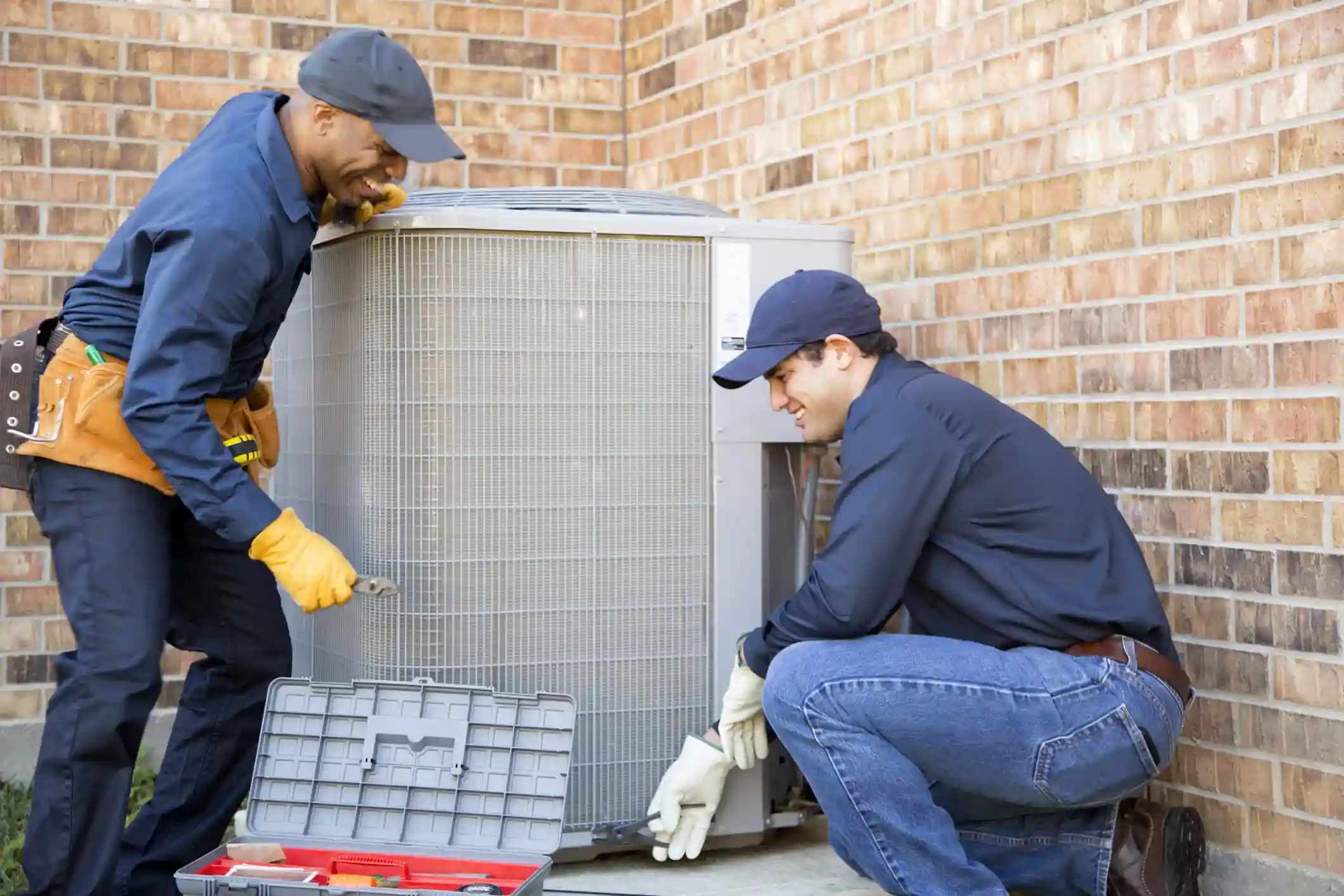
HVAC repair services in Dawsonville, GA address all makes and models with a focus on accurate diagnostics and dependable, code-compliant repairs. Common issues include no cooling, weak airflow, short cycling, and unusual system noises, each requiring a methodical inspection to identify root causes. Homeowners can expect clear communication on repair timelines, warranty coverage, and part replacement needs, along with emergency service options for urgent situations. Preventive guidance, such as routine maintenance and system care tips, helps reduce the risk of future breakdowns. The goal is to restore comfort efficiently, extend system life, and ensure reliable performance in Dawsonville’s climate.
HVAC Repair in Dawsonville, GA
When your heating or cooling system fails in Dawsonville, GA, you need fast, reliable HVAC repair that addresses the root cause and restores comfort. Dawsonville homes face hot, humid summers, heavy spring pollen and occasional cold snaps in winter that put extra strain on HVAC systems. This page explains comprehensive repair services for all makes and models, common failure symptoms and homeowner troubleshooting, the diagnostic process, typical repair timelines, parts and warranty considerations, emergency and after-hours options, and practical tips to avoid future breakdowns.
Who we repair and what that means for your system
We service all makes and models of central air conditioners, heat pumps, furnaces, packaged units, ductless mini-splits, thermostats, and associated components. Whether you have a modern high-efficiency system or an older model common in Dawson County homes, repair work focuses on restoring safe, efficient operation while preserving manufacturer warranty requirements whenever possible. Repair solutions range from quick component swaps to more involved repairs like compressor or coil replacement.
Common HVAC repair issues in Dawsonville, GA
Homes in Dawsonville commonly experience the following problems, driven by local climate and housing patterns:
- No cooling or heating: Often caused by thermostat settings, electrical issues, or compressor failure.
- Weak airflow: Clogged filters, failing blower motors, duct leaks, or closed vents.
- Short cycling: System starts and stops frequently due to improper sizing, refrigerant issues, or control failures.
- Frozen evaporator coil: High humidity, low airflow, or refrigerant undercharge.
- Unusual noises: Rattling, grinding, or banging from motor wear, loose components, or failing bearings.
- High energy bills: Inefficient operation from dirty coils, low refrigerant, or failing components.
- Poor humidity control or excessive humidity: Common in Dawsonville summers; can result from oversized units, incorrect charge, or failing dehumidification functions.
- Odd odors: Mold in ductwork or drip pans, electrical burning smell from motors or wiring.
Simple troubleshooting steps homeowners can try
Before calling for repairs, perform these safe checks to narrow down the issue:
- Confirm thermostat is on the correct mode and temperature, and replace batteries if needed.
- Check and replace air filters if dirty; clogged filters are a leading cause of airflow problems.
- Inspect the outdoor condenser for debris, leaves, or ice and clear a 2-foot perimeter.
- Verify the circuit breaker and disconnect switch at the outdoor unit have not tripped.
- Reset the system using the thermostat or power switch if equipment is unresponsive.
- Ensure vents are open and furniture is not blocking supply registers.
Do not attempt refrigerant or electrical repairs. Handling refrigerants and internal wiring requires licensed technicians and specialized tools.
Diagnostic process: how we find the real problem
A professional diagnostic follows a systematic approach to identify both the immediate fault and underlying cause:
- System history and interview: Review symptoms, recent maintenance, and timing of failures.
- Visual inspection: Check outdoor unit, indoor components, filters, ducts, and thermostat wiring.
- Electrical testing: Measure voltage, current draw, fuses, relays, and contactors to identify electrical faults.
- Airflow and ductwork check: Evaluate blower performance, return air, and any obvious duct leaks.
- Refrigerant and pressure testing: Use gauges and leak-detection tools to verify refrigerant charge and locate leaks if present.
- Component testing: Test capacitors, motors, compressors, and controls for performance and wear.
- Report and options: Provide a clear explanation of findings, repair options, and whether replacement is more cost-effective.
Diagnostics typically take 30 to 90 minutes for common issues. Complex problems that involve multiple subsystems or hidden leaks may require additional time or follow-up visits.
Typical repair timelines and what to expect
- Minor repairs (filters, capacitors, contactors, thermostats): Often completed within 1 to 3 hours.
- Medium repairs (blower motor, refrigerant recharge, drain line repairs, zone controls): Usually resolved same day or within 1 business day.
- Major repairs (compressor replacement, coil replacement, major refrigerant leaks): Can take 1 to 3 days depending on parts availability and system complexity.
- System replacement or multi-part rebuilds: May take several days to schedule and complete, especially for older or custom systems.
Local parts availability and the specific make and model impact turnaround. In Dawsonville and surrounding areas, some older or less common models may require ordering OEM components which can extend timelines.
Parts and warranty information
- Manufacturer parts often carry a separate warranty from labor. Warranty length varies by manufacturer and part type; compressors and sealed-system components commonly have longer manufacturer warranties than electrical parts.
- Labor warranties are typically provided for the repair work itself and vary by provider. Ask about warranty scope for both parts and labor before authorizing repairs.
- When possible, repairs are performed using OEM parts to maintain manufacturer warranty and optimal performance. Aftermarket parts may be used in some situations and should be disclosed upfront.
- For systems still under factory warranty, following manufacturer-required maintenance and using authorized service preserves coverage.
Emergency and after-hours HVAC repair
Dawsonville experiences periods of extreme heat and occasional cold where failure creates an immediate comfort and safety concern. Emergency repair options include:
- After-hours diagnostics to assess safety and stabilize the system.
- Temporary measures like running the fan, isolating malfunctioning components, or providing safe power resets until full repairs can be completed.
- Prioritization of life-safety issues such as heating failure in cold weather or electrical hazards.
Emergency response times depend on technician availability and local travel times. For serious electrical smells or visible smoke, follow safety protocols and avoid using the equipment until a professional inspects it.
Preventive tips to avoid future breakdowns
Regular care reduces unexpected failures and improves efficiency:
- Schedule at least annual maintenance for heating and cooling systems, ideally before summer and winter seasons.
- Replace or clean filters monthly to every three months, more often during high pollen season and if pets are present.
- Keep outdoor units clear of debris and vegetation and maintain proper airflow.
- Seal and insulate ducts in attics and crawlspaces to reduce energy loss common in rural Dawsonville homes.
- Use programmable thermostats to reduce runtime while protecting against short cycling.
- Address small issues early; odd noises, reduced airflow, or higher utility bills are early warning signs.
Why timely HVAC repair matters in Dawsonville, GA
Prompt, accurate HVAC repair protects comfort, indoor air quality, and system longevity in Dawsonville's humid summers and variable winters. Timely repairs prevent secondary damage such as frozen coils, compressor failure, or mold growth in drain pans and ducts. When repairs are performed correctly and documented, you also preserve warranty coverage and can extend the life of your investment.
This information is intended to help Dawsonville homeowners understand what to expect from professional HVAC repair: common symptoms, safe troubleshooting, the diagnostic approach, realistic timelines, warranty considerations, and practical prevention strategies specific to local conditions.
Customer
Testimonials


Service Areas