
HVAC Tune-Up in Alpharetta, GA
.webp)
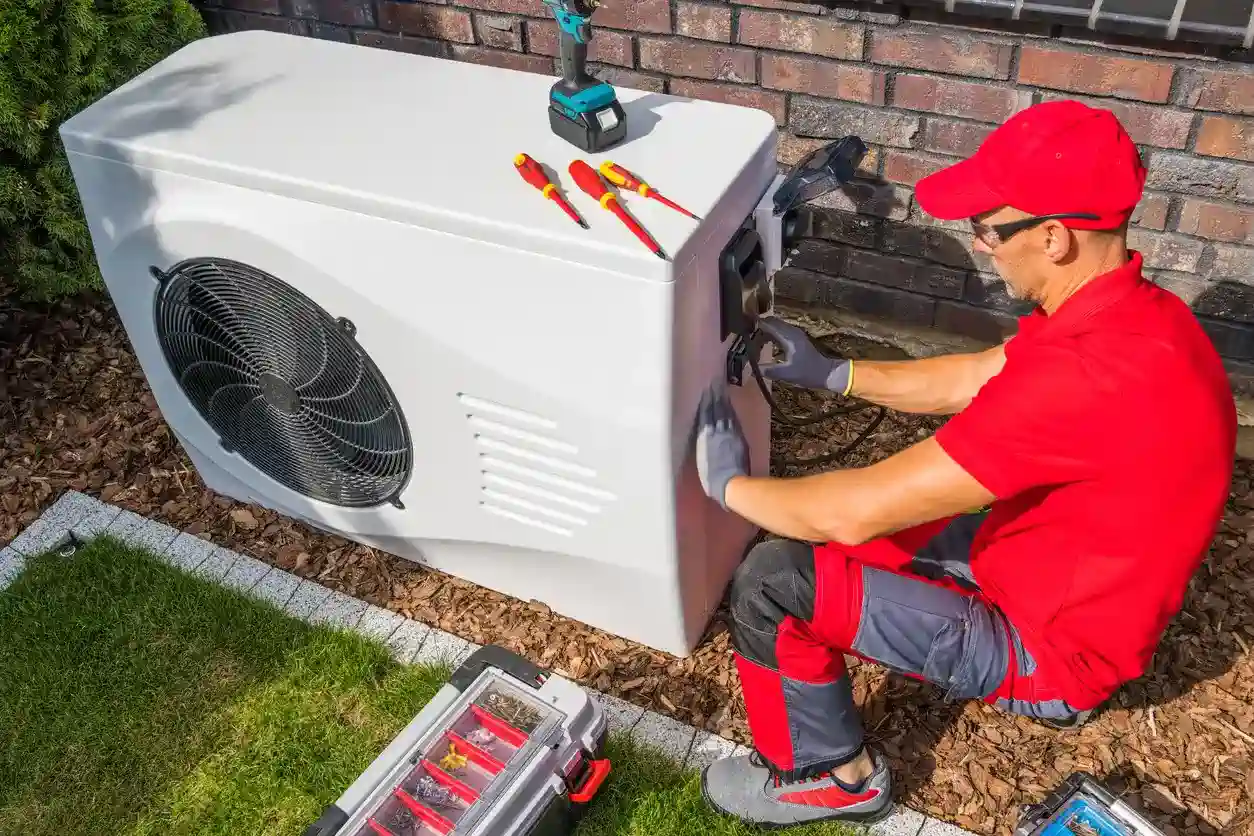
An HVAC tune-up in Alpharetta, GA provides a comprehensive, preventive service designed to maximize comfort and efficiency. A skilled technician inspects, cleans, tests, and adjusts critical components: thermostats, coils, blower, belts, electricals, and delivers a performance report with recommendations. Regular tune-ups restore system performance, reduce energy use, and prevent leaks or outages. For most homes, a seasonal visit lasts 60–90 minutes. Biannual scheduling (spring and fall) aligns with warranties, improves reliability, and extends equipment life in humid summers and mild winters.
HVAC Tune-up in Alpharetta, GA
Keeping your HVAC system maintained is one of the highest-impact steps you can take to protect comfort, lower energy bills, and avoid emergency breakdowns in Alpharetta, GA. A properly performed seasonal HVAC tune-up identifies small problems before they become major repairs, restores system efficiency after months of heavy use in hot, humid weather, and helps equipment reach its expected service life. Below is a clear, decision-focused overview of what a professional HVAC tune-up in Alpharetta includes, why it matters for local homes, what to expect during the visit, and recommended frequency and maintenance tips.
Why seasonal HVAC tune-ups matter in Alpharetta, GA
Alpharetta has a humid subtropical climate: hot, humid summers and occasional cold snaps in winter. High summer humidity, pollen seasons, and frequent AC runtime put extra strain on compressors, coils, and blowers. That increases the risk of system inefficiency, frozen evaporator coils, clogged condensate lines, and mid-summer failures. Regular tune-ups:
- Restore cooling capacity and reduce energy consumption during long AC seasons.
- Prevent moisture-related issues that can accelerate corrosion or reduce indoor air quality.
- Catch refrigerant leaks, electrical faults, and worn components before they cause system downtime.
Common HVAC tune-up issues in Alpharetta homes
- Reduced cooling performance during peak heat due to dirty coils or low refrigerant.
- Short cycling or uneven temperatures from improper thermostat calibration or restricted airflow.
- Water leaks and overflow from clogged condensate drains that can encourage mold growth.
- Increased energy bills from failing capacitors, worn belts, or loose electrical connections.
- Outdoor unit obstruction from vegetation or pollen buildup that limits airflow.
Detailed seasonal tune-up checklist
A thorough tune-up covers inspection, cleaning, testing, and adjustments. Key items included in a professional HVAC tune-up in Alpharetta, GA:
- Thermostat calibration
- Verify setpoint accuracy, test differential, and confirm proper mode switching.
- Refrigerant level check and leak detection
- Measure pressures and temperatures to verify correct charge; inspect for signs of leaks.
- Evaporator and condenser coil cleaning
- Remove dirt, pollen, and grime that reduce heat transfer efficiency.
- Blower motor and wheel inspection and cleaning
- Clean blades, check motor bearings, and verify correct airflow.
- Belt inspection and adjustment (if applicable)
- Check for wear, cracking, and proper tension; replace if worn.
- Electrical safety tests
- Tighten connections, inspect breakers and fuses, test contactors and relays for wear.
- Capacitor and contactor testing
- Verify component capacitance and proper operation under load.
- Air filter inspection and recommendations
- Replace or advise on optimal filter type and replacement frequency.
- Condensate drain and pan inspection and cleaning
- Clear clogs, test drain trap, and verify safe condensate disposal.
- Safety control and limit switch checks
- Test combustion safety and limit controls for furnaces or heat pumps.
- Combustion and ventilation check (gas-fired systems)
- Inspect burners, measure carbon monoxide risk factors, and check venting.
- Airflow measurement and duct inspection
- Evaluate system static pressure and identify major duct restrictions.
- System performance report
- Provide baseline measurements and recommended next steps if repairs are required.
What to expect during the appointment
- Duration: Most tune-ups take between 60 and 90 minutes for a residential split system; more complex systems or multi-zone setups may take longer.
- Technician workflow: Visual inspection, system startup, component testing, cleaning, refrigerant and electrical checks, performance verification, and a concise service report with findings and recommended repairs.
- Deliverables: A documented checklist of performed tasks, measured before/after performance values where applicable, and a clear note of any items that require further repair.
Recommended frequency
- Split systems with separate furnace and AC: Twice yearly is recommended — once in spring for cooling and once in fall for heating.
- Heat pumps: At least twice yearly because they provide both heating and cooling and face year-round strain.
- Older systems or high-use properties: Consider more frequent inspections, especially if you see early warning signs like higher energy bills or uneven comfort.
- Manufacturer requirements: Many warranties require annual or semiannual maintenance to keep coverage valid.
Common repair solutions found during tune-ups
- Refrigerant recharge and leak repair for low-charge systems.
- Coil cleaning or replacement if corrosion or damage limits efficiency.
- Motor or capacitor replacement to restore reliable starting and runtime.
- Belt replacement and blower wheel balancing to reduce noise and improve airflow.
- Electrical repairs such as tightened connections, replaced contactors, or upgraded breakers to prevent failures.
- Drain line clearing and condensate pump service to eliminate water damage risk.
Benefits of timely HVAC tune-ups
- Improved energy efficiency and lower monthly energy costs.
- Greater reliability, reducing the risk of emergency service calls during Alpharetta heat waves.
- Extended equipment life by reducing wear on the compressor and motors.
- Better indoor air quality through cleaner coils, proper drainage, and correct filtration.
- Safety assurance for gas-fired equipment through combustion and venting checks.
- Documentation that can help with warranty compliance and resale value.
Seasonal planning and homeowner maintenance tips
- Best timing: Schedule cooling tune-ups in March or April before peak use; schedule heating tune-ups in September or October before cooler weather arrives.
- Filter maintenance: Replace or clean filters every 1 to 3 months during heavy use seasons to maintain airflow and protect coils.
- Outdoor unit care: Keep at least 2 feet of clearance around the condenser, and clear leaves, grass clippings, and pollen buildup regularly.
- Thermostat settings: Use consistent setpoints and consider a programmable or smart thermostat to reduce runtime and wear.
- Drain maintenance: Pour a cup of vinegar or a manufacturer-recommended cleaner down the condensate drain every few months to slow algae and sludge buildup.
- Plan ahead: Peak-season windows fill faster in Alpharetta. Scheduling seasonal tune-ups outside the hottest months reduces wait times and avoids last-minute emergency costs.
Regular, professional HVAC tune-ups tailored to Alpharetta climate realities keep systems running efficiently, reliably, and safely. A standard seasonal tune-up is a high-value preventative measure that protects comfort and household budgets across humid summers and variable winters.
Customer
Testimonials


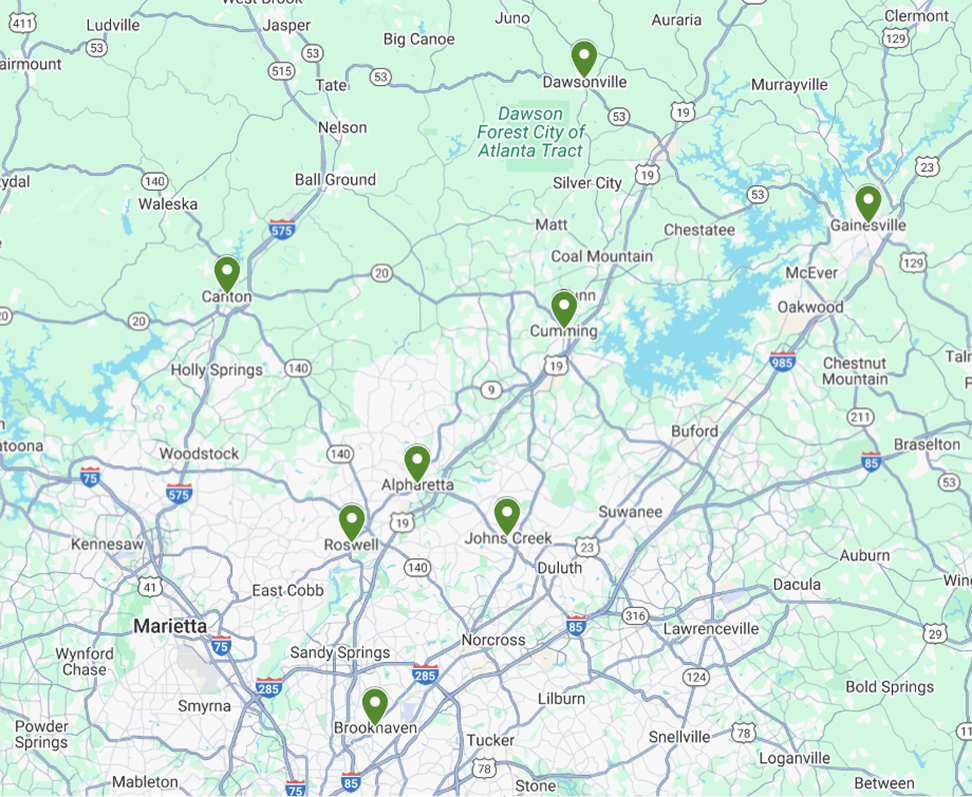
Service Areas