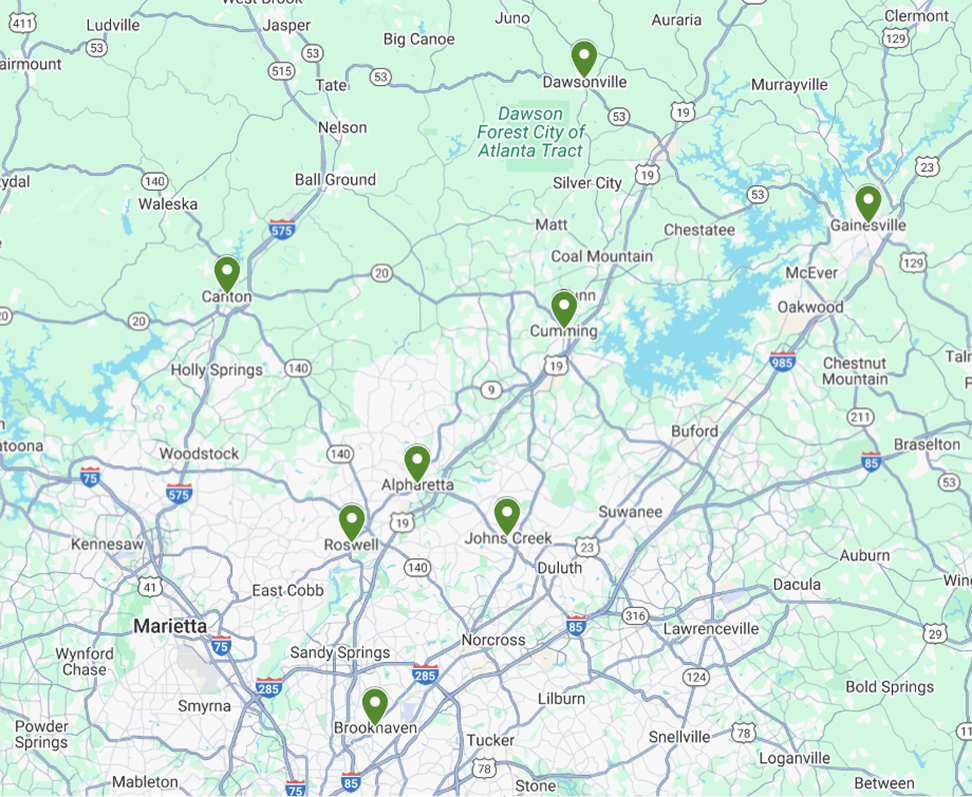

HVAC Repair in Alpharetta, GA
.webp)
HVAC repair in Alpharetta, GA requires a professional approach to diagnosing and resolving common system failures while accounting for the urgency of emergency or same-day requests. Typical services include component replacements, electrical and refrigerant repairs, and system adjustments, all supported by clear pricing practices such as diagnostic fees and transparent estimates. Repair visits often involve detailed inspections, followed by practical recommendations tailored to the home’s needs. Homeowners can also expect guidance on warranty coverage, follow-up services, and preventive maintenance to avoid future breakdowns. With this approach, Alpharetta residents gain reliable solutions, cost clarity, and informed support in deciding whether repair or replacement is the best option.
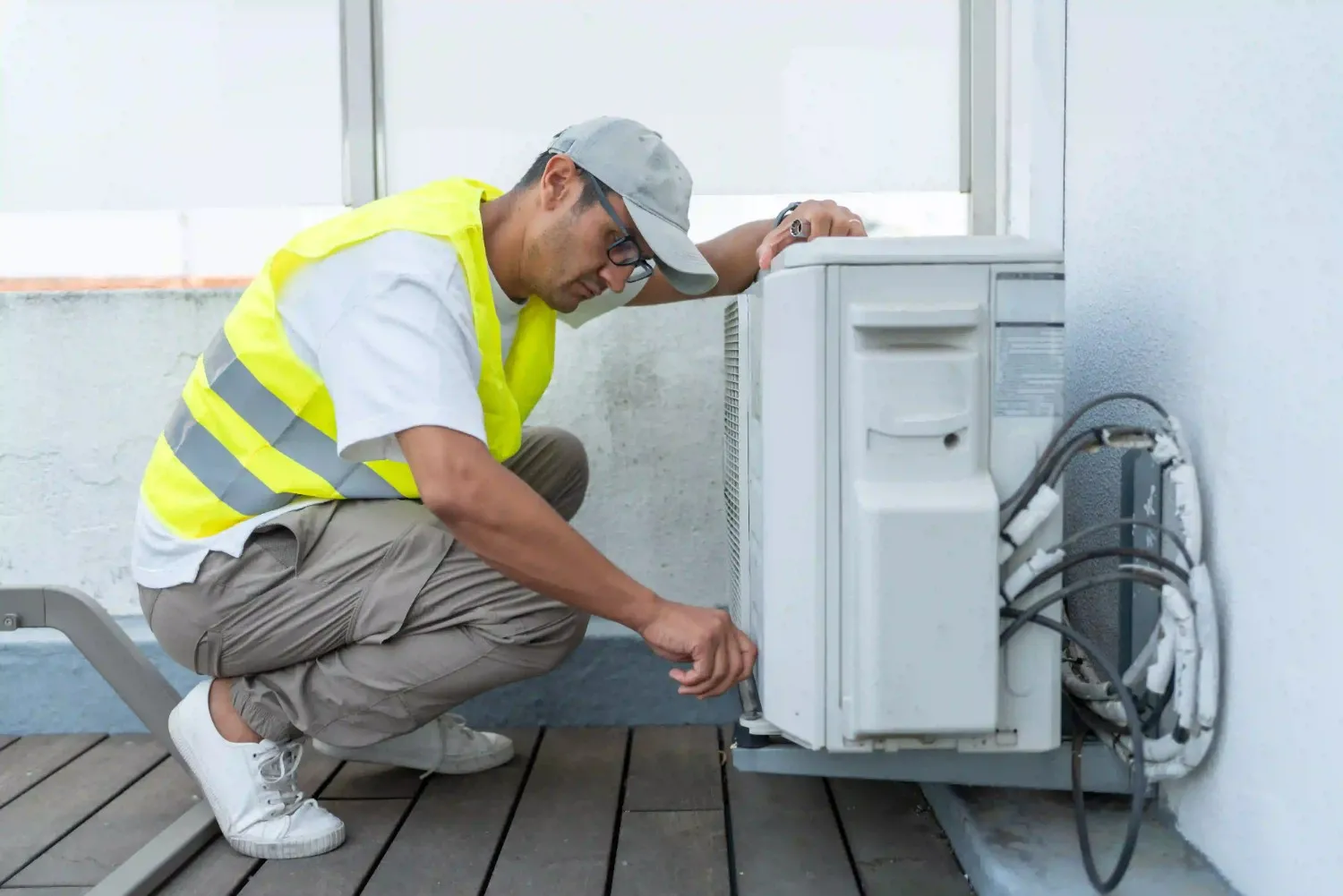
HVAC Repair in Alpharetta, GA
Reliable, timely HVAC repair in Alpharetta, GA keeps your home comfortable year round and protects equipment from costly failures. In a city with hot, humid summers, frequent pollen in spring, and occasional cold snaps, prompt HVAC service prevents indoor discomfort, high energy bills, and system damage. This page explains common HVAC failures in Alpharetta homes, how technicians diagnose and fix them, what to expect for emergency and same-day requests, transparent pricing practices, warranty norms, and simple steps homeowners can take while waiting for repair.
Why timely HVAC repair matters in Alpharetta
Alpharetta’s climate stresses cooling systems more than heating for much of the year. High humidity and pollen increase indoor air quality and airflow problems. Delaying repairs often leads to compressor failure, refrigerant loss, frozen evaporator coils, or electrical component burnout. Quick, professional HVAC repair restores comfort, improves efficiency, and extends equipment life.
Common HVAC repair issues in Alpharetta homes
Most service calls in the area cluster around a predictable set of failures. Knowing them helps you prioritize repairs and understand what technicians will check.
- Air conditioner not cooling: Often caused by low refrigerant, a failed compressor, dirty coils, or blocked airflow from clogged filters and ducts.
- Short cycling: System turns on and off frequently due to thermostat issues, improper refrigerant charge, or an oversized/undersized unit.
- Noisy operation: Failing fan motors, loose panels, worn bearings, or damaged blower wheels produce rattles, squeals, or humming.
- Frozen evaporator coils: Restricted airflow or low refrigerant causes icing, common during humid seasons in Alpharetta.
- Electrical failures: Burned contactors, tripped breakers, failed capacitors, and corrosion from seasonal moisture lead to intermittent or complete shutdowns.
- Heat pump issues: Reversing valve failures, refrigerant leaks, or defrost control problems reduce heating performance during colder periods.
- Duct and airflow problems: Leaky or poorly insulated ducts and dirty returns reduce efficiency and create uneven temperatures.
- Thermostat malfunctions: Incorrect calibration, dead batteries, or wiring faults are common causes of control issues.
Diagnostic and troubleshooting process
Professional repair begins with a methodical diagnosis to avoid unnecessary parts replacement.
- Technician arrival includes a system history review: symptoms, recent maintenance, and any unusual noises or odors.
- Visual and safety inspection: checking access panels, wiring, condensate drains, and safety devices.
- Performance checks: measuring airflow, supply and return temperatures, refrigerant pressures, and electrical currents.
- Component testing: capacitors, contactors, motors, and thermostats are bench-tested or measured in place.
- Leak detection and coil inspection: using approved tools to locate refrigerant loss and coil cleanliness.
- Written diagnostic summary: clear explanation of causes, recommended repairs, and estimated time to complete.
Homeowner troubleshooting steps before a technician arrives
- Check and replace dirty air filters to restore airflow.
- Confirm thermostat is set correctly and has fresh batteries.
- Ensure outdoor condenser is clear of debris and plants.
- Reset breaker if the HVAC breaker tripped, but do not repeatedly reset without a professional diagnosis.These simple checks can prevent unnecessary emergency calls but avoid attempting electrical repairs or refrigerant work yourself.
Typical repairs and parts replacement
Repairs are prioritized by safety, system integrity, and cost-effectiveness.
- Electrical components: Replacing capacitors, contactors, relays, and breakers restores reliable starting and operation.
- Motors and fans: Replacing or rebalancing blower or condenser fan motors resolves airflow and noise issues.
- Refrigerant repair: Locating and repairing leaks, evacuating, and evacuating and recharging refrigerant to manufacturer specifications.
- Compressor repair or replacement: Necessary when the compressor is seized or electrically failed; involves assessments of system viability.
- Thermostat upgrades: Replacing faulty thermostats or upgrading to programmable models for better control and efficiency.
- Duct repairs: Sealing leaks, insulating ducts in unconditioned spaces, and balancing airflow for comfort.
- Condensate and drain fixes: Clearing clogs, replacing traps, and installing safety switches to prevent water damage.
Technicians follow industry best practices for parts selection, using OEM or equivalent-quality components and documenting replacements on the service invoice.
Emergency, same-day, and response times in Alpharetta
Response expectations vary by provider and demand, but typical patterns include:
- Emergency or after-hours service: For loss of cooling during extreme heat, no heat during cold snaps, or safety hazards like burning smells, emergency dispatch protocols prioritize risk and send technicians as soon as possible.
- Same-day service: Many providers offer same-day appointments for urgent comfort issues, often with scheduled arrival windows in the morning, afternoon, or evening.
- Standard appointments: Non-urgent diagnostics and repairs are commonly scheduled within 1 to 3 business days depending on season and workload.
During Alpharetta’s peak cooling season, expect higher demand and potentially longer wait times. Emergency triage helps allocate resources to households at greatest risk.
Transparent pricing and estimates
Trustworthy HVAC repair practices emphasize clear, upfront pricing and itemized estimates.
- Diagnostic fees are common and cover time, testing, and a written assessment. Those fees are typically applied toward repair if you proceed.
- Estimates list parts, labor hours, warranty coverage, and any permit or disposal fees when required.
- Providers should explain options when multiple repair paths exist, including repair vs replacement considerations and the expected lifespan impact.
- Payment terms and accepted methods are disclosed before work begins so there are no surprises.
Warranty and parts policies
Understanding warranties protects you after service is completed.
- Parts warranties: Most replacement parts carry manufacturer warranties that vary by component. Major components like compressors may have longer factory warranties, while smaller parts often have shorter coverage.
- Labor warranties: Reputable technicians provide a written labor warranty for repairs, commonly ranging from 30 days to 1 year depending on the work done.
- Written documentation: All warranties, exclusions, and procedures for making a claim should be documented on the invoice or repair order.
- Follow-up service: If a covered failure recurs within the warranty period, providers typically return to diagnose and remedy the issue without additional labor charges per warranty terms.
Always request written warranty details and retain service records for future reference or manufacturer claims.
Preventive maintenance and deciding repair versus replacement
Routine maintenance reduces emergency repairs and helps you decide when replacement is more economical.
- Annual maintenance checks before cooling and heating seasons address coil cleaning, filter replacement, refrigerant level checks, electrical tightening, and airflow measurement.
- Consider replacement when repair costs approach a significant fraction of the unit value, when frequent breakdowns occur, or when efficiency drops substantially. In Alpharetta, upgrading to a high-efficiency system can yield comfort gains and lower energy bills during long cooling seasons.
Final noteHVAC repair in Alpharetta, GA focuses on restoring safe, efficient operation quickly while minimizing disruption to your home. Knowing common regional issues, what a professional diagnostic includes, typical repairs, response expectations, and warranty norms empowers you to make informed decisions when service is needed.
Customer
Testimonials


Service Areas