HVAC Replacement in Cumming, GA
.webp)
HVAC replacement in Cumming, GA outlines when to replace rather than repair, how to select efficient equipment, and the step-by-step process from assessment to installation. It explains cost considerations, long-term savings, and potential rebates, emphasizing proper sizing, duct work, and indoor air quality. The guide also covers removal and disposal best practices, timing, and aftercare plans to maximize system lifespan, including maintenance routines, filtration, duct sealing, and warranty documentation for continued comfort and energy efficiency.
HVAC Replacement in Cumming, GA
Replacing an aging or failing HVAC system is a major decision for homeowners in Cumming, GA. With hot, humid summers and occasional cold snaps, choosing the right replacement system affects comfort, energy bills, indoor air quality, and long-term reliability. This page explains when full HVAC replacement is the better choice versus repair, how to select equipment for improved efficiency in Cumming homes, what replacement looks like from start to finish, cost versus long-term savings considerations, removal and disposal best practices, available rebate pathways, and aftercare plans to maximize system lifespan.
When to choose replacement instead of repair
Deciding between repair and replacement comes down to age, performance, frequency of breakdowns, and long-term cost. Consider full replacement when:
- The system is 10–15 years old (older heat pumps and air conditioners lose efficiency and use phased-out refrigerants).
- You face recurring breakdowns or costly compressor, coil, or compressor-related repairs.
- Cooling and dehumidification are inconsistent during Cumming summers, or heating is unreliable during cold periods.
- Energy bills are rising despite regular maintenance.
- Your home has comfort issues tied to undersized equipment, poor ductwork, or changes in occupancy or insulation.
- You want better humidity control or improved indoor air quality.
These are common HVAC replacement issues in Cumming: insufficient cooling on 90+ degree days, high indoor humidity, noisy operation, and systems that struggle to keep up after attic insulation or window upgrades.
Equipment selection for improved efficiency in Cumming, GA
Selecting the right system for Forsyth County climate and typical home construction is critical. Key factors to weigh:
- Efficiency ratings: Look for higher SEER for cooling and higher HSPF for heat pumps. Higher efficiency saves more on summer energy bills in Cumming’s long cooling season.
- System type: High-efficiency heat pumps (including dual-fuel systems for colder snaps) are increasingly common for Georgia homes because they provide efficient cooling and heating year-round.
- Variable-speed compressors and multi-stage systems: These improve comfort, reduce humidity, and run longer at lower speeds for better efficiency and quieter operation.
- Right-sizing: A Manual J load calculation ensures the new system matches your home’s thermal load—oversized units cycle too often and undersized units can’t control humidity.
- Ductwork condition: Sealing and insulating ducts in unconditioned attics and crawlspaces prevents loss of cooled air and improves efficiency.
- Indoor air quality options: MERV-rated filters, electronic air cleaners, UV germicidal lights, and whole-house dehumidifiers address mold and humidity issues common in humid Georgia climates.
- Smart thermostats and zoning: Programmable or smart controls and zoning dampers help reduce runtime and improve comfort in multi-level Cumming homes.
Cost vs. long-term savings analysis
Upfront cost depends on equipment quality, system capacity, ductwork modifications, and installation complexity. Instead of one-size-fits-all numbers, evaluate:
- Lifetime operating costs: Higher-efficiency units cost more up front but reduce energy use during long cooling seasons. Estimate payback time by comparing current energy bills to projected savings from improved SEER/HSPF.
- Repair frequency: Replacing a system with frequent failures often saves money over repeated emergency repairs and part replacements.
- Home value and comfort: New systems add to home resale value and provide better comfort and air quality—important in family-oriented neighborhoods of Cumming.
- Incentives and rebates: These lower effective cost (see rebate section), improving the return on investment.
Ask for a clear breakdown that separates equipment, labor, ductwork, permits, and disposal fees so you can compare true lifecycle costs.
Removal and disposal of old equipment
Proper retirement of the old HVAC system protects the environment and complies with regulations:
- Refrigerant recovery: Certified technicians must recover and recycle or reclaim refrigerants per EPA regulations to prevent atmospheric release.
- Component disposal: Coils, compressors, sheet metal, and insulation should be disposed of or recycled according to local codes in Forsyth County.
- Permitting and documentation: Replacement often requires permits and final inspections; installers should provide paperwork needed to register warranties and process rebates.
- Site cleanup: A professional replacement includes debris removal and safe disposal of all hazardous components.
Typical replacement process and scheduling
A transparent, scheduled process reduces surprises. Typical steps:
- Pre-installation assessment and Manual J load calculation to size equipment.
- System selection and confirmation of components (outdoor unit, indoor coil/air handler, thermostats, and any IAQ add-ons).
- Permitting and scheduling—timelines vary but most straight-forward residential replacements take 1–2 days; complex jobs with ductwork or structural access can take longer.
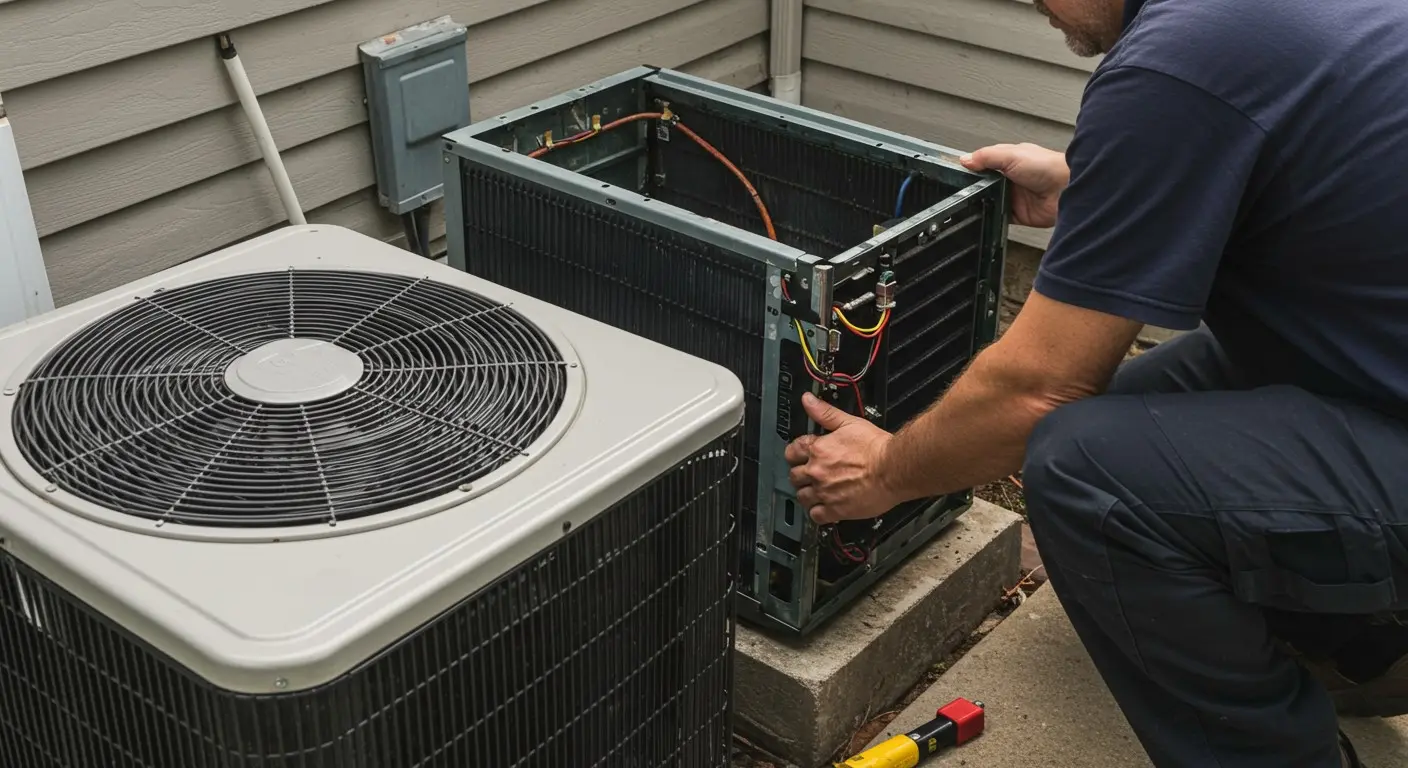
- On-site removal of the old system with refrigerant recovery and safe disposal.
- Installation of new equipment, duct modifications, electrical hookups, and drainage.
- Start-up, refrigerant charge verification, airflow balancing, and performance testing.
- Walk-through, paperwork for warranties/rebates, and explanation of maintenance requirements.
Expect the installer to test system airflow, temperatures, and safety switches before completing work.
Available rebates and incentives (general guidance)
Rebates can improve affordability but vary over time and by provider. Common sources include:
- Utility programs: Local utilities sometimes offer rebates for high-efficiency equipment or heat pumps.
- Federal incentives: Periodic federal tax credits or efficiency incentives for qualifying ENERGY STAR systems can reduce effective cost.
- Manufacturer incentives: Seasonal manufacturer rebates may apply to select models.
- Local/state programs: Georgia energy efficiency programs occasionally provide incentives for qualifying upgrades.
Because program availability changes, verify eligibility and application steps during the selection phase so paperwork and equipment specifications meet rebate requirements.
Aftercare plans to maximize new-system lifespan
Once installed, ongoing care preserves performance and warranty eligibility:
- Regular maintenance: Biannual tune-ups (seasonal checks before cooling and heating seasons) maintain efficiency, prevent breakdowns, and catch small issues early.
- Filter management: Replace or clean filters on schedule; consider higher-efficiency MERV filters if compatible with your system.
- Duct maintenance: Inspect and seal ducts every few years, especially in older Cumming homes with attic or crawlspace ducts.
- Condensate and drain care: Clear drain lines and traps to prevent clogs and microbial growth in humid conditions.
- Warranty and registration: Keep records of installations and service for warranty support and potential future incentives.
- Smart thermostat usage: Program thermostats to optimize runtime, track energy usage, and notify you of abnormal operation.
Replacing an HVAC system is an opportunity to tailor comfort solutions to Cumming’s climate and your home’s needs. Proper equipment selection, a thorough replacement process, compliance with disposal regulations, and disciplined aftercare together ensure better comfort, lower operating costs, and longer system life.
Customer
Testimonials


Service Areas