
HVAC Repair in Johns Creek, GA
.webp)
Johns Creek homeowners rely on prompt HVAC repair services to restore comfort, protect indoor air quality, and minimize outages. This page outlines a methodical diagnostic process, OEM parts guidance, and transparent pricing designed to help you decide between repair and replacement. You'll learn how technicians assess heating and overall performance, confirm refrigerant charges, address electrical issues, and communicate timelines. The aim is accurate, durable fixes that preserve warranties while maximizing energy efficiency during peak heat periods.
HVAC Repair in Johns Creek, GA
Keeping your heating, ventilation, and air conditioning working reliably is essential in Johns Creek, GA, where hot, humid summers and sudden storm-driven outages put extra strain on HVAC systems. Professional HVAC repair in Johns Creek, GA focuses on restoring comfort quickly, protecting indoor air quality, and minimizing recurring failures so your home remains livable year-round.
Why timely HVAC repair matters in Johns Creek homes
Johns Creek experiences long cooling seasons and high humidity, which increase run times and corrosion risk for outdoor units. That makes small problems more likely to become major failures. Addressing faults early:
- Restores comfort faster during heat waves
- Reduces energy waste from failing components
- Prevents humidity-related problems like mold and poor indoor air quality
- Preserves equipment life and manufacturer warranties when OEM parts are used
Common HVAC repair issues in Johns Creek
Homeowners in the area most often report:
- Air conditioner not cooling or blowing warm air
- Short cycling (unit turns on and off frequently)
- Frozen evaporator coils
- Low refrigerant due to leaks or improper charge
- Faulty compressors, contactors, or capacitor failures
- Blower motor or fan issues causing weak airflow
- Thermostat malfunctions and zone control failures
- Odd noises (clanking, grinding, hissing) or burning smells
- Heat pump reversing valve or auxiliary heat issues in cool months
- Electrical problems and tripped breakers after storms or power surges
Step-by-step diagnostic approach
A methodical diagnostic process reduces guesswork and recurrence:
- Visual and safety check: Inspect panels, wiring, refrigerant lines, condensate drains, and outdoor unit condition.
- Verify customer symptoms and thermostat settings: Confirm mode, setpoint, and whether symptoms are intermittent.
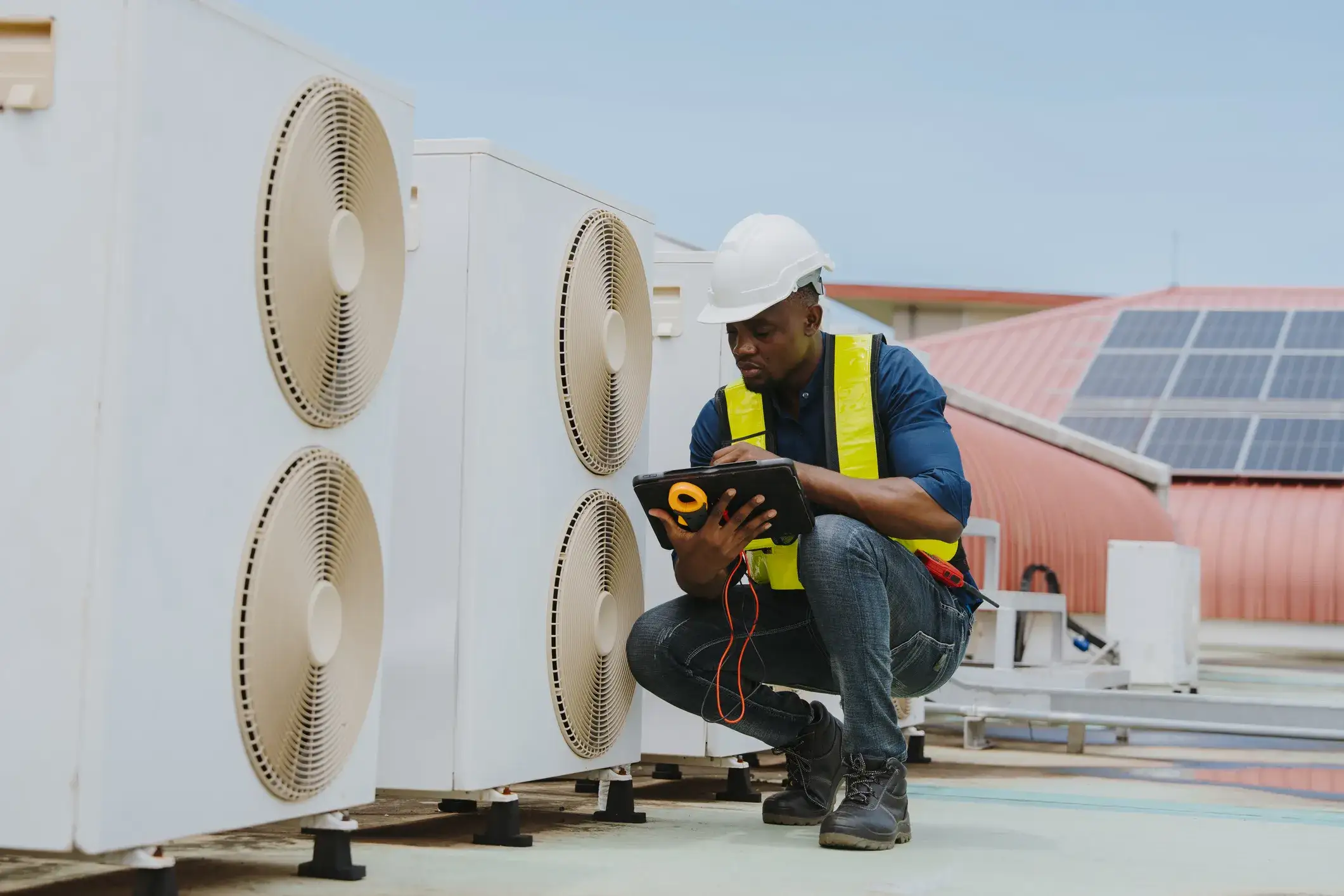
- Electrical testing: Measure voltage, current draw, and component continuity to identify failing capacitors, contactors, or motors.
- Refrigerant and pressure testing: Check pressures and look for signs of leaks. Identify refrigerant type (R-410A vs R-22) to determine repair options.
- Airflow assessment: Measure return and supply temperatures and check filter condition and duct restriction.
- Component-level checks: Test compressors, reversing valves, expansion devices, and control boards as needed.
- Report and options: Explain findings, likely causes, parts needed, and estimated timelines for repair versus replacement.
Diagnostics typically take 30 minutes to 90 minutes depending on system complexity and access. Clear documentation of findings helps you weigh repair choices.
Typical repair timelines and what to expect
- Minor repairs (capacitor, contactor, thermostat, condensate blockage): usually same-day or within a few hours.
- Fan motor or blower replacement: same-day to next-day depending on motor availability.
- Refrigerant leak repair and recharge: same-day for minor leaks; multi-day if leak detection and evacuation are required.
- Compressor replacement or major outdoor unit repairs: 1 to 2 days, sometimes longer if a replacement compressor must be matched to system specifications.
- Coil replacement, major ductwork, or full system retrofits: several days to finish, including any required permits or balancing.
Seasonal demand (peak summer) can extend lead times. In Johns Creek, storms and heat waves increase call volumes; planning for slightly longer turnaround during high-demand periods is prudent.
Parts sourcing and OEM compatibility
Using the right components preserves reliability and warranties:
- OEM parts: Provide exact fit, performance, and warranty alignment with manufacturer specifications. Best choice when preserving warranty or matching system efficiencies.
- Aftermarket parts: Often more readily available and can be cost-effective for older systems, but verify compatibility and warranty coverage.
- Refrigerant considerations: Systems originally charged with R-22 may require special parts or conversions because R-22 availability is limited. Replacing an R-22 system is often more practical than repeated costly repairs.
- Local supply chain: Johns Creek technicians typically source parts from regional distributors to reduce delays. For uncommon or discontinued parts, ordering time can extend repairs by several days.
Technicians should document OEM part numbers and compatibility to ensure long-term reliability.
Emergency response and 24/7 availability
Emergencies like total AC failure during a heat wave or system faults causing unsafe conditions require immediate attention. Emergency service for HVAC repair in Johns Creek, GA commonly includes:
- 24/7 dispatch options for urgent health or safety issues (no heat in winter, no cooling during extreme heat, electrical hazards, water leaks damaging property)
- Triage over the phone to advise temporary measures while help is en route
- Prioritized scheduling during extreme weather events
Response times vary with demand and location within Johns Creek, with faster responses generally available for homes closer to staffing centers and during off-peak seasons.
Pricing structures and transparency
Transparent pricing helps you make informed decisions. Common structures include:
- Diagnostic fee or service call charge that covers the on-site assessment and basic testing
- Flat-rate pricing for common repairs (capacitor, contactor, thermostat, condensate clear)
- Time-and-materials for complex or custom work (hourly labor plus parts)
- Emergency or after-hours premiums applied only for off-schedule service
- Written estimates for any work beyond minor repairs, including parts, labor, warranties, and anticipated timeline
Estimates should clarify whether parts are OEM or aftermarket and note any potential additional costs if further issues are uncovered during repair.
When to repair vs replace in Johns Creek
Consider replacement when one or more of the following apply:
- System age: Central AC or heat pumps older than 10 to 15 years often justify replacement due to lower efficiency and rising failure frequency.
- Frequent breakdowns: Multiple repairs within a short period indicate diminishing returns from repeated fixes.
- Repair cost relative to replacement: If repair costs approach 40 to 50 percent of a new system’s value, replacement is usually the wiser long-term choice.
- Outdated refrigerant: Units using R-22 or other phased-out refrigerants are strong candidates for replacement due to rising refrigerant costs and limited availability.
- Efficiency and comfort: If higher SEER ratings, better humidity control, or zoning would significantly improve your home comfort and energy bills, replacement can offer better value.
For many Johns Creek homes, upgrading yields tangible energy savings during long cooling seasons and improves resilience during humid weather.
Preventive maintenance and long-term benefits
Regular maintenance extends equipment life and reduces emergency repairs. Recommended practices:
- Twice-yearly tune-ups: Cooling system in spring, heating system in fall
- Replace filters regularly and keep outdoor units clear of debris and vegetation
- Monitor system performance and indoor humidity levels
- Schedule duct inspections and sealing to improve airflow and efficiency
Timely repairs combined with preventive maintenance reduce energy use, maintain indoor comfort in Johns Creek’s climate, and protect your HVAC investment.
In summary, professional HVAC repair in Johns Creek, GA focuses on fast, accurate diagnostics, correct parts and compatibility, clear pricing, and practical guidance on repair versus replacement to keep your home comfortable in a region with high cooling needs.
Customer
Testimonials


Service Areas