
HVAC Installation in Johns Creek, GA
.webp)
This page provides a comprehensive overview of HVAC installation in Johns Creek, GA, from initial evaluation and load calculations to testing, warranties, and permit considerations. It outlines professional installation benefits, common local issues, and how correctly sized systems improve comfort, humidity control, and energy efficiency. Readers will learn about equipment options, energy-efficiency features, installation timelines, commissioning, warranty details, financing options, and post-installation maintenance to ensure reliable performance in Johns Creek's humid climate. This guide helps homeowners plan, compare quotes, and choose trusted installers.
HVAC Installation in Johns Creek, GA
Replacing or installing a new HVAC system in Johns Creek, GA is a decision that affects comfort, energy bills, and indoor air quality for years. With hot, humid summers and occasional cold snaps, properly sized equipment, correct installation, and attention to humidity control are essential. This page walks through the complete HVAC installation process you can expect in Johns Creek homes: from the initial evaluation and load calculations to testing, warranties, and local permit considerations.
Why a professional HVAC installation matters in Johns Creek
Improperly sized or installed systems lead to short cycling, high energy use, poor humidity control, uneven comfort across rooms, and premature equipment failure. In Johns Creek’s humid climate, a correctly installed system not only cools the air but also removes moisture efficiently. Quality installation ensures reliable performance during summer heat spikes, preserves equipment life, and helps keep energy costs manageable.
Common HVAC installation types and issues in Johns Creek
- Central air conditioning replacement (split systems)
- Heat pump installations or conversions
- Ductless mini‑split installations for additions or finished basements
- Duct replacement, sealing, and modifications for older homes
- Zoning and thermostat upgrades for multi‑level homesCommon issues seen locally include undersized or oversized equipment, leaky or poorly insulated ductwork in attics, inadequate return air, and systems that lack proper dehumidification for humid summers.
Home evaluation and load calculations
A thorough home evaluation is the foundation of a reliable HVAC installation:
- Onsite inspection of the home layout, insulation levels, window types and orientation, attic condition, and existing ductwork
- Manual J load calculation to determine exact heating and cooling requirements rather than guessing by square footage
- Manual D ductwork design when new ducts are installed or existing ducts are modified
- Assessment of return air locations and ventilation needsAccurate load calculations prevent oversized or undersized systems, ensuring efficient operation and balanced comfort throughout Johns Creek homes.
Equipment selection and energy-efficiency options
Choosing the right equipment and efficiency features should reflect your comfort priorities and local climate:
- SEER and HSPF ratings: Higher SEER (cooling) and HSPF (heating) values mean better efficiency—important for reducing summer cooling costs
- Heat pumps: Modern heat pumps perform well in moderate Georgia winters and provide efficient cooling and heating in one system
- Variable‑speed compressors and ECM blower motors: Improve comfort, humidity control, and efficiency by running at partial capacity
- Two‑stage compressors or modulating systems: Provide more consistent temperatures and better humidity control than single‑stage units
- Ductless mini‑splits: Ideal for room additions, garages, or areas without ductwork
- Indoor air quality options: MERV 8–13 media filters, UV air purifiers, and whole‑home dehumidifiers help with Johns Creek humidity and pollenSelecting equipment that matches the calculated load and addresses humidity will deliver the best real-world performance in our local climate.
Permits and code compliance
HVAC installations in Johns Creek must comply with local building codes and permit requirements:
- Permits are commonly required for system replacements or duct modifications; inspections verify safety and compliance
- Installations must meet current mechanical and energy codes, including refrigerant handling and ventilation standards
- Proper labeling, refrigerant recovery documentation, and adherence to EPA refrigerant regulations are part of compliant installationsWorking with an installer familiar with Johns Creek and Fulton County procedures helps ensure permits and inspections are handled correctly.
Installation timeline and what to expect on install day
A typical HVAC installation follows a predictable timeline and practical steps:
- Pre‑install coordination: scheduling, access instructions, and confirmation of equipment choices
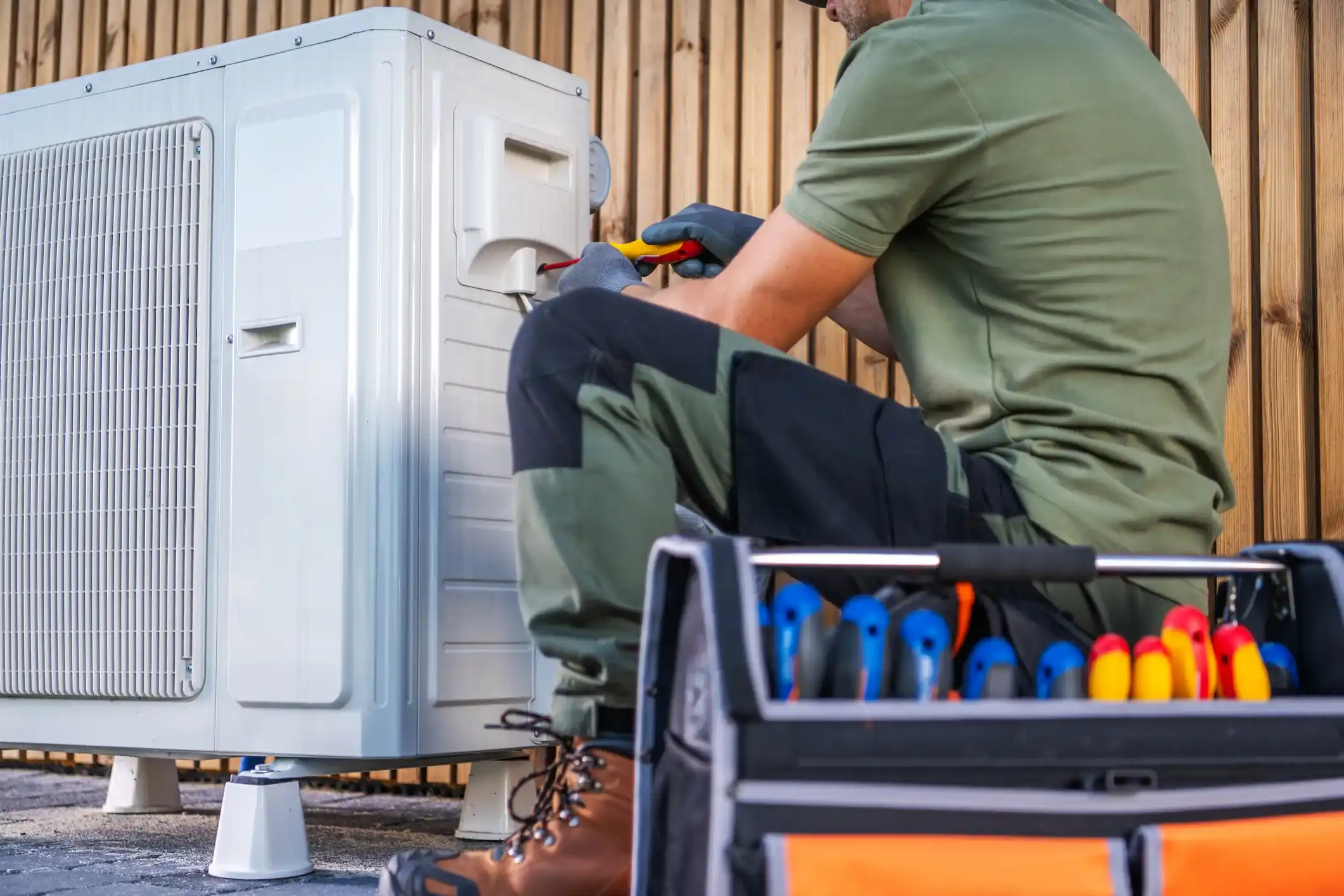
- Day of install: technicians arrive with equipment and materials, protect floors and landscaping, disconnect and remove old equipment
- Rough‑in and mechanical work: new indoor/outdoor units set in place, duct connections made or modified, refrigerant lines run and insulated, electrical connections completed
- Duct sealing and insulation: sealing joints and insulating ducts in attics or crawlspaces to prevent energy loss
- Cleanup: disposal of old equipment and jobsite cleanupExpect the work area to be protected, clear communication about timing, and final walkthrough to explain system operation before technicians leave.
Testing and commissioning
Proper testing ensures the new system operates as designed:
- Verify airflow and static pressure to confirm ductwork performance
- Check refrigerant charge and temperatures for optimal efficiency
- Confirm thermostat settings, controls, and zoning function correctly
- Measure electrical load and confirm safe wiring and breaker sizing
- Test safety controls, condensate drains, and flue/venting where applicableCommissioning documents and a performance summary should be provided so you know the system meets the specified targets for your Johns Creek home.
Warranty information and registration
Understanding warranties protects your investment:
- Manufacturer warranties typically cover major components (compressors, coils) for a set period; labor warranties are separate
- Some warranties require owner registration or proof of professional installation to remain valid
- Routine maintenance is often a condition for warranty coverage—retain service recordsAsk for written warranty details that distinguish manufacturer coverage from installer labor warranties and clarify any maintenance requirements to keep warranties intact.
Financing and rebate assistance
Financing and incentives can make higher‑efficiency installations more attainable:
- Many homeowners use financing plans that spread payments over time through home improvement loans or HVAC financing programs
- Energy rebates and incentives from utilities or state programs may be available for high‑efficiency equipment and qualifying upgrades
- Tax credits or federal incentive programs sometimes apply—keep documentation and invoices for any claimsAn organized package of equipment specs, efficiency ratings, and installation invoices simplifies applications for rebates or incentive programs relevant to Johns Creek homeowners.
Post‑installation care and maintenance advice
To protect performance and extend lifespan:
- Replace filters regularly and choose an appropriate MERV rating for your home
- Schedule seasonal tune‑ups: pre‑summer cooling checks and pre‑winter heating inspections
- Keep outdoor units clear of debris, vegetation, and stored items to maintain airflow
- Monitor for unusual noises, inconsistent temperatures, or rising energy use and address issues promptlyRoutine care ensures your new system continues to deliver comfort and efficiency through Johns Creek’s climate cycles.
Final benefits of a professional HVAC installation in Johns Creek, GA
A correctly designed and installed HVAC system improves year‑round comfort, reduces utility bills, controls humidity in Georgia’s humid climate, enhances indoor air quality, and adds value to your home. Prioritizing accurate load calculations, code‑compliant installation, thorough commissioning, and clear warranty documentation will deliver reliable performance and peace of mind for Johns Creek homeowners.
Customer
Testimonials


Service Areas