
Heating Repair in Roswell, GA
.webp)
For heating repair in Roswell, GA, we provide fast, accurate diagnostics, on-site fixes, and safety-first service for gas furnaces, electric furnaces, and heat pumps. We cover common failure signs, how our diagnostics determine root causes, when emergency and same-day repairs are appropriate, and our use of OEM-quality parts with transparent estimates. We also outline the repair process, warranty information, preventive maintenance tips, and steps to restore reliable, safe operation while improving efficiency and comfort for your Roswell home throughout the season.
Heating Repair in Roswell, GA
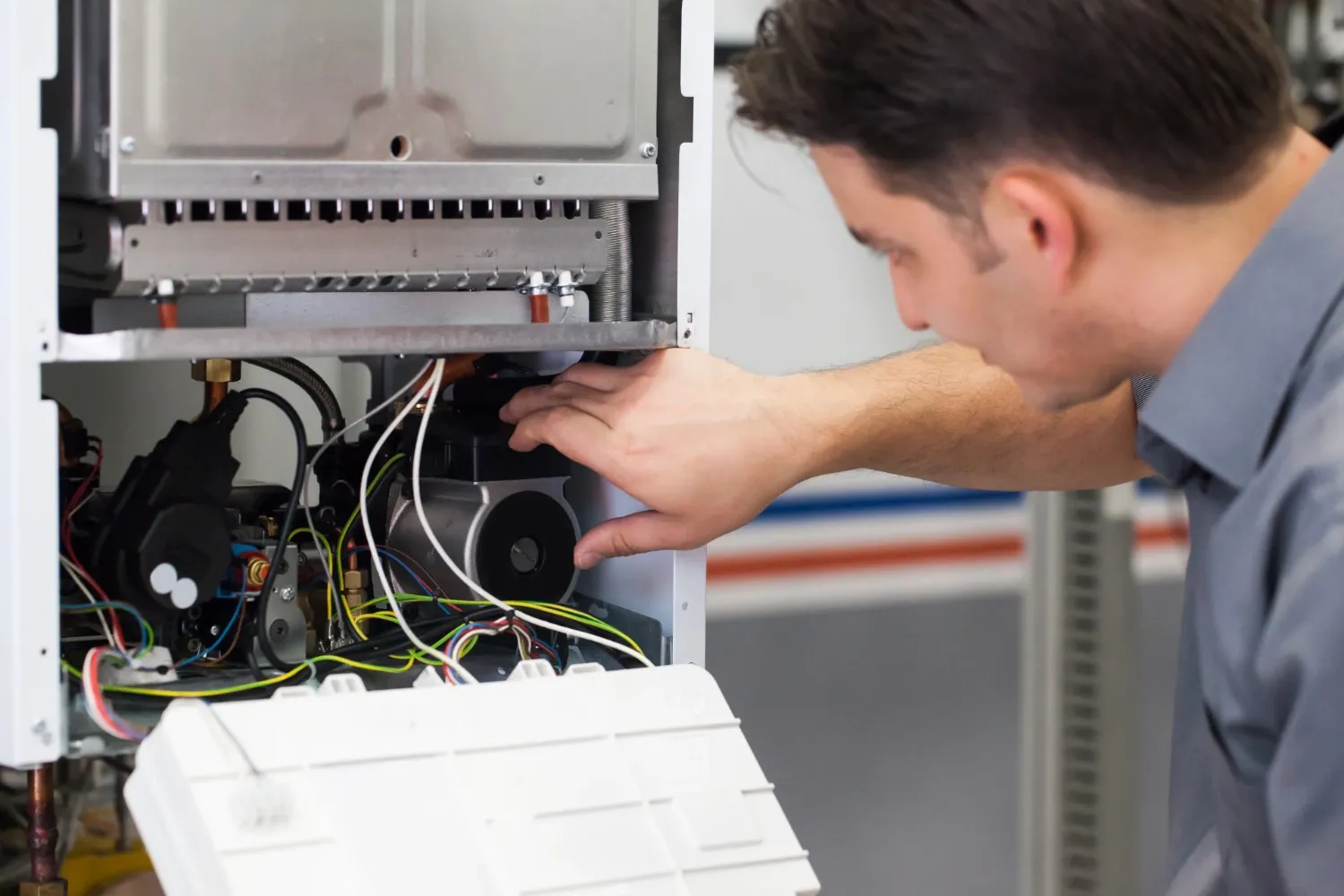
Keeping your home warm and safe during Roswell winters means fast, accurate heating repair when equipment fails. Whether you have a gas furnace, electric furnace, or heat pump, common symptoms like no heat, strange noises, or short cycling usually point to problems that worsen if left unaddressed. This page explains the typical failure signs Roswell homeowners see, how on-site diagnostics determine root causes, when same-day or emergency repair is appropriate, and how repairs using OEM-quality parts and transparent estimates restore reliable, safe operation.
Why timely heating repair matters in Roswell, GA
Roswell experiences mild winters with occasional cold snaps that put sudden stress on heating systems. Older homes in the historic district and many mid-century houses can have aging ductwork, marginal insulation, or older furnaces that struggle when temperatures drop. Delaying repairs can lead to higher energy bills, unsafe operation, or complete system failure on cold mornings. Prompt, expert repair both restores comfort and reduces risk.
Common heating repair issues in Roswell homes
- No heat at all: Often caused by thermostat failure, ignition or pilot problems, fuel supply issues, or failed control boards. In heat pumps, outdoor unit faults or low refrigerant can cause a loss of heating.
- Strange noises: Rattling, banging, or squealing may indicate loose panels, failing blower motors, belt wear, or combustion issues. Scraping or grinding is usually a mechanical component needing attention.
- Short cycling (system turns on and off quickly): Symptoms typically stem from airflow restrictions, improper thermostat placement, oversized equipment, or failing safety limits.
- Uneven heating or cold spots: Duct leaks, blocked vents, or failing blowers create inconsistent comfort across rooms.
- Rising energy bills: Reduced efficiency from clogged filters, dirty heat exchangers, worn components, or refrigerant leaks increase operating costs.
- Pilot light or ignition problems: Dirty sensors, worn igniters, or faulty control modules can prevent burners from firing.
- Indoor air quality and safety signs: Soot, strong gas odor, or symptoms consistent with carbon monoxide require immediate attention.
On-site diagnostic process
A thorough diagnostic separates quick fixes from safety-critical repairs. Typical on-site steps include:
- Visual inspection of the furnace or heat pump and electrical connections.
- Thermostat verification and temperature differential checks.
- Airflow assessment: filter condition, return vents, blower performance, and duct integrity.
- Combustion and ignition system inspection for gas equipment: burners, flame sensor, pilot, and control module testing.
- Heat exchanger evaluation for cracks or corrosion, which can be a safety hazard.
- Refrigeration system checks for heat pumps: refrigerant levels, compressor health, and defrost cycle function.
- Operational testing under load and carbon monoxide testing where combustion is present.Diagnostics are documented and explained in plain language so you understand the problem, options, and urgency.
Repairs, parts, and safety-first approach
- OEM-quality parts: Replacing failed components with manufacturer-grade parts preserves reliability and maintains equipment performance and warranty integrity.
- Typical repairs performed on-site:
- Thermostat repair or replacement and calibration
- Igniter, flame sensor, or control board replacement
- Blower motor repair or replacement; belt and bearing service
- Gas valve, burner cleaning, and combustion tuning
- Heat exchanger assessment and recommended next steps if cracked
- Refrigerant recharge, reversing valve repair, or defrost control replacement for heat pumps
- Duct sealing and minor duct repairs to restore airflow
- Safety steps taken during every repair:
- Verify gas tightness and proper combustion
- Test for carbon monoxide and proper venting
- Shut off unsafe equipment and explain immediate precautions
- Retest system performance after repairs to confirm safe, reliable operation
Emergency and same-day repair options in Roswell
Cold snaps and unexpected failures require quick response. Emergency repair protocols prioritize safety risks such as gas leaks, CO detection, or complete heat loss in freezing conditions. Same-day repairs are commonly available for:
- No-heat situations during low outdoor temps
- Active gas odor or suspected leak
- Heater running continuously or short cycling that risks component damageTechnicians bring common OEM parts and diagnostic tools to perform repairs efficiently and limit repeat visits.
Transparent estimates and warranty information
Clear, itemized estimates help you choose the best option for your home. Estimates typically include:
- Diagnosis summary and root cause explanation
- Line-item parts and labor breakdown
- Recommended repairs and any alternatives (repair vs replace analysis)
- Expected lifespan impact and efficiency benefitsWarranty practices commonly provided:
- Manufacturer-equivalent, OEM-quality parts for compatibility and durability
- Written labor warranty periods on completed repairs
- Documentation to support manufacturer warranties where applicableTransparent estimates paired with warranty coverage protect your investment and set expectations before work begins.
Steps to restore safe, reliable operation
After diagnosis and repair, technicians follow a standardized checklist to ensure complete restoration:
- Confirm safe ignition and stable flame where applicable
- Verify correct airflow and temperature rise
- Test safety switches, limit controls, and fan operation
- Inspect and secure panels, fasteners, and access points
- Run the system through multiple cycles to confirm consistent performance
- Provide a plain-language summary of work performed and any follow-up needs
Preventive maintenance and local tips for Roswell homeowners
Preventive care reduces emergency calls and improves efficiency:
- Replace or clean filters monthly during heavy use months
- Schedule annual tune-ups before peak winter demand to catch issues early
- Keep outdoor heat pump units free of debris, leaves, and lawn clippings common in local yards
- Ensure attic insulation and duct sealing in older Roswell homes to minimize heat loss
- Install and maintain carbon monoxide detectors near sleeping areas and on each levelHeat pumps are popular in Georgia for efficiency; ensure they are serviced for correct defrost cycle operation and refrigerant charge to avoid mid-winter failures.
Final note on value and reliability
Heating repair in Roswell, GA focuses on restoring comfort, protecting residents from safety risks, and preserving system efficiency. Accurate diagnostics, OEM-quality parts, transparent estimates, and clear warranty terms guide homeowners to durable solutions. Timely attention to small symptoms prevents larger failures and keeps homes comfortably heated through the season.
Customer
Testimonials


Service Areas