
Heating Installation in Roswell, GA
.webp)
When it comes to heating installation in Roswell, GA, we focus on helping you achieve optimal comfort and energy efficiency through properly sized, code-compliant systems. We'll discuss popular options—high-efficiency heat pumps, gas furnaces, hybrids, and ductless mini-splits—along with key installation considerations and common issues to avoid. We detail our installation process in clear steps, from the initial evaluation and equipment selection to commissioning and the final walkthrough. We also keep you informed on timelines, warranties, financing, post-installation testing, and ongoing maintenance to ensure lasting performance for your home.
Heating Installation in Roswell, GA
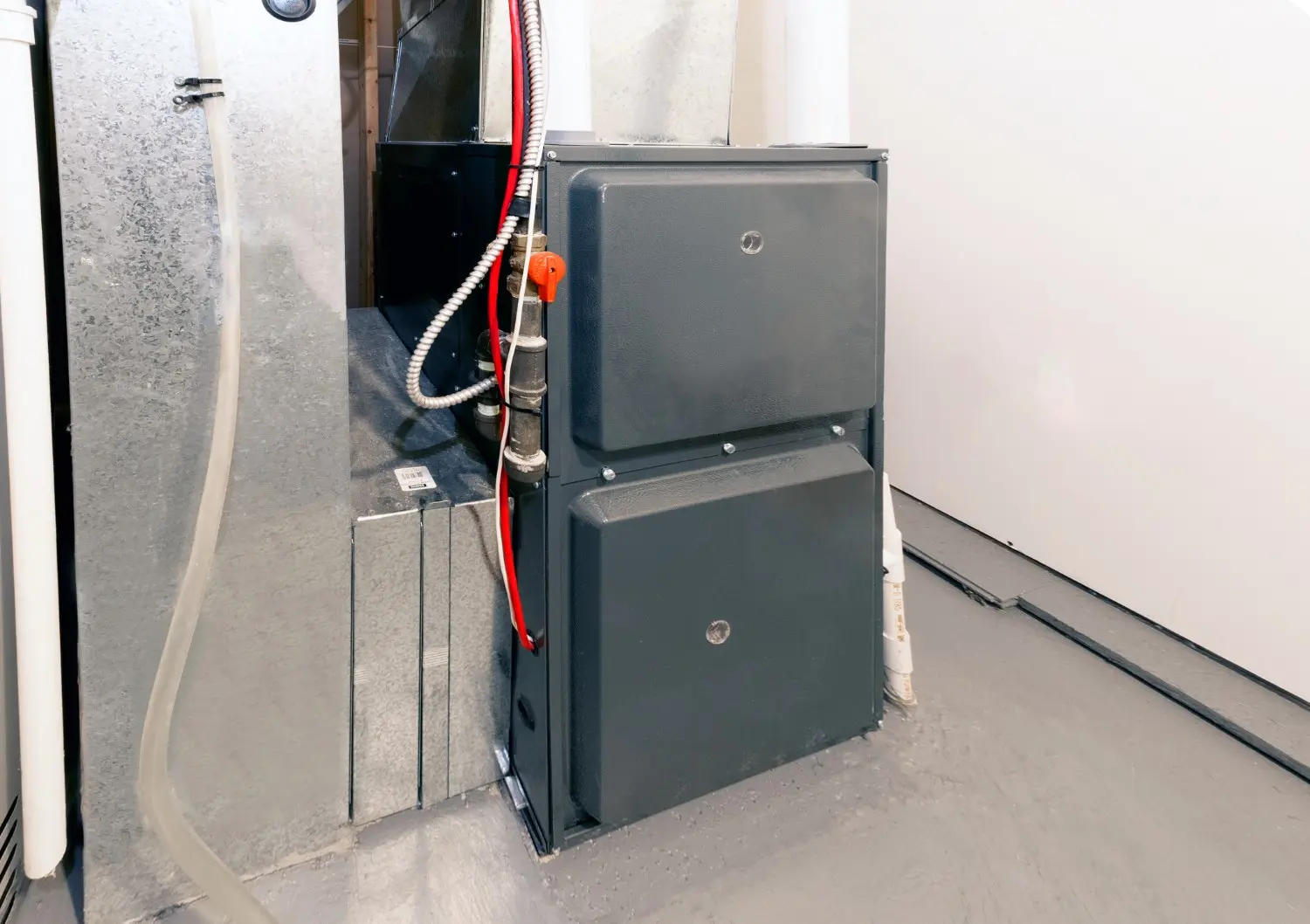
Installing a new heating system is one of the most impactful upgrades you can make to comfort, energy bills, and indoor air quality in your Roswell, GA home. Whether your existing furnace is failing, you want a more efficient heat pump, or you are replacing aging equipment in a historic bungalow, a professional heating installation addresses sizing, code compliance, efficiency, and long-term performance so your system runs reliably through mild winters and occasional cold snaps common to North Georgia.
Why professional heating installation matters in Roswell homes
Roswell experiences mild but humid winters and the occasional extended cold spell. That climate makes system selection important: heat pumps often perform well for energy savings, while natural gas furnaces remain viable where gas service is available. Improperly sized equipment, poorly sealed ductwork, or incomplete permitting are common causes of poor comfort and high bills. A correct installation ensures:
- Consistent indoor temperatures during cold snaps
- Lower energy use with modern, high-efficiency equipment
- Safe combustion and proper ventilation where gas or oil systems are involved
- Compliance with City of Roswell permitting and inspection requirements
Common heating types and installation considerations in Roswell
- High-efficiency heat pumps: Efficient for mild climates, provide both heating and cooling. Important factors include correct refrigerant charge, proper thermostat integration, and adequate refrigerant line lengths for split systems.
- Gas furnaces: Popular where natural gas service is present. Key checks include gas line sizing, combustion air, flue venting, and AFUE efficiency ratings.
- Hybrid systems: Combine a heat pump with a gas furnace to optimize efficiency across varying temperatures.
- Ductless mini-splits: Good for additions, historic homes without ducts, or room-specific comfort needs.
Typical problems this service fixes
- Underperforming heating during cold spells
- Frequent short cycling from oversized equipment
- Elevated energy bills after replacement
- Cold rooms caused by leaky or undersized ductwork
- Noncompliant installations lacking proper permits or inspections
The installation process — clear steps, explained
A thorough installation follows a predictable, documented process focused on performance and compliance.
- Initial evaluation and load calculation
- Perform an industry-standard load calculation (Manual J or equivalent) to determine the correct system size for your home. This accounts for Roswell-specific factors like local climate, home orientation, insulation levels, window size, and air leakage.
- Review ductwork with a duct design or Manual D approach when needed to ensure proper airflow.
- Equipment selection and energy guidance
- Recommend equipment options based on calculated load, efficiency goals, and fuel availability. For heating in Roswell, this often means comparing heat pump HSPF ratings, furnace AFUE ratings, and whole-system performance.
- Discuss lifecycle operating costs so you understand how higher-efficiency equipment can reduce monthly energy bills in your area.
- Review potential local utility rebates or incentives that may be available for high-efficiency installations.
- Permitting and code compliance
- Submit required permit applications to the City of Roswell or the appropriate local jurisdiction and schedule inspections as required.
- Ensure installations meet local building, mechanical, gas, and electrical codes. This includes safe venting, proper combustion air, and compliant electrical connections.
- Removal of old equipment and site preparation
- Safely disconnect and remove the existing furnace or heat pump. Address refrigerant recovery and responsible disposal when applicable.
- Inspect and prepare the installation site including pad placement, clearances, and any necessary structural support.
- Ductwork inspection and necessary repairs
- Test ductwork for leaks, inadequate insulation, or undersized runs. Common Roswell home issues include attic ducts in older homes with poor insulation.
- Recommend sealing, insulation upgrades, or minor redesigns to improve system efficiency and balance.
- Installation and connection
- Install the chosen system, set up condensate drains, connect gas or refrigerant lines, and complete electrical hook ups.
- Configure controls and thermostats, including smart or zoning controls if selected.
- Commissioning and testing
- Perform performance testing including airflow measurements, temperature split checks, static pressure, gas pressure testing for combustion appliances, refrigerant charge verification, electrical safety checks, and carbon monoxide baseline testing where relevant.
- Verify the system operates across its control settings and that safety devices function properly.
- Final walkthrough and documentation
- Walk through system operation with the homeowner: thermostat programming, filter replacement schedules, and basic troubleshooting.
- Provide installation documentation, warranty paperwork, permit closure information, and a recommended maintenance plan.
Timeline and what to expect
- Simple like-for-like replacements: typically 1 to 3 days. This covers removal, duct checks, installation, and commissioning.
- Systems requiring duct upgrades, electrical changes, or structural modifications: 3 days to 2 weeks depending on scope and permitting timelines.
- Permit review and inspections may add time depending on local scheduling with City of Roswell inspectors.
Warranty and financing considerations
- Manufacturer warranties commonly range from 5 to 10 years on major components; compressors and heat exchangers may carry longer terms. Labor warranties for installation work vary and should be clearly documented.
- Financing options for heating upgrades are frequently available through third-party programs and local lenders. Typical offerings include low-interest plans or deferred payment options. Evaluate term length and total cost when comparing financing.
Post-installation testing and homeowner support
After installation, expect a comprehensive performance verification:
- Airflow and temperature testing across registers
- System efficiency checks and thermostat calibration
- Safety inspections including carbon monoxide and combustion performance (for gas systems)
- A homeowner walkthrough covering system basics, filter maintenance, emergency shutoff, and seasonal care
Ongoing annual maintenance recommended for longevity includes filter changes, a preseason service visit, and periodic duct inspections to keep efficiency and safety at peak levels.
Final notes on replacing or upgrading heating in Roswell
Choosing the right heating system for a Roswell home means matching equipment to your home size, insulation, and local weather patterns while assuring code compliance and efficient operation. Proper load calculations, careful ductwork assessment, and comprehensive commissioning reduce problems later and provide the comfort and efficiency your household expects during colder weather. With the right installation approach, you get a reliable system, validated performance, and a clear path for maintenance and warranty protection.
Customer
Testimonials


Service Areas