
Heating Maintenance in Gainesville, GA
.webp)
We offer a comprehensive heating maintenance program for Gainesville, GA homes, specifically designed to prevent midwinter failures, reduce energy costs, and extend equipment life. We explain our program structure, detailed inspection checklists, and coverage options, from basic tune-ups to comprehensive plans, complete with digital record-keeping and priority service. We cover enrollment steps, expected savings, and how preventive care from Energywise Home Service improves reliability, indoor air quality, and warranty protections. You'll learn how to choose the right tier and schedule seasonal visits to maintain your comfort and budget.
Heating Maintenance in Gainesville, GA
Keeping your heating system reliable and efficient in Gainesville, GA requires regular, professional maintenance tailored to local weather and home needs. Heating maintenance programs are designed to prevent midwinter breakdowns, reduce energy bills, maintain indoor comfort during cold snaps, and extend equipment life. This page explains what a comprehensive heating maintenance agreement looks like, common heating maintenance issues in Gainesville, GA, what technicians inspect and repair, coverage options, the long-term cost benefits of preventative care, record-keeping practices, and straightforward enrollment steps for service agreements.
Why scheduled heating maintenance matters in Gainesville, GA
Gainesville’s humid subtropical climate means winters are usually mild but can have sudden cold spells and occasional freezes. These conditions can stress aging furnaces and heat pumps when they run after long idle periods. Humidity and pollen common to the region also influence indoor air quality and clog filters faster than in drier climates. Regular, seasonal maintenance catches emerging problems before a cold snap forces emergency service, preserves efficiency, and keeps safety systems operating correctly.
Common heating maintenance issues in Gainesville, GA
- Dirty or clogged air filters and return vents that reduce airflow and increase energy use
- Heat pump refrigerant loss or control failures after months of intermittent use
- Ignition or pilot issues in gas furnaces caused by corrosion or debris
- Worn blower motors, belts, or bearings leading to noisy operation and poor circulation
- Duct leaks and poor insulation that reduce system efficiency and raise heating costs
- Faulty thermostats or improper calibration causing short cycling or uneven comfort
- Condensate drain clogs in high-efficiency systems that can trigger shutdowns and water damage
- Corroded flue, venting, or combustion components that present safety risks such as carbon monoxide
What a professional heating maintenance program includes
A structured maintenance agreement typically bundles scheduled inspections, priority service, and optional parts and labor coverage. Typical elements include:
- Annual or biannual scheduled inspections timed to the heating season, with reminders and flexible booking windows
- Priority service status that shortens response times during peak season and reduces or waives diagnostic fees for enrolled customers
- A detailed maintenance checklist covering safety, performance, and efficiency checks (see Checklist section)
- Clear choices for parts and labor coverage: basic tune-up only, tune-up plus discounted parts, or comprehensive plans that include most common repairs
- Digital record-keeping of each service visit, findings, and repairs completed to protect warranties and inform future decisions
- Replacement recommendations when repair is less cost-effective than replacement, supported by documented readings and age-based analysis
Detailed heating maintenance checklist
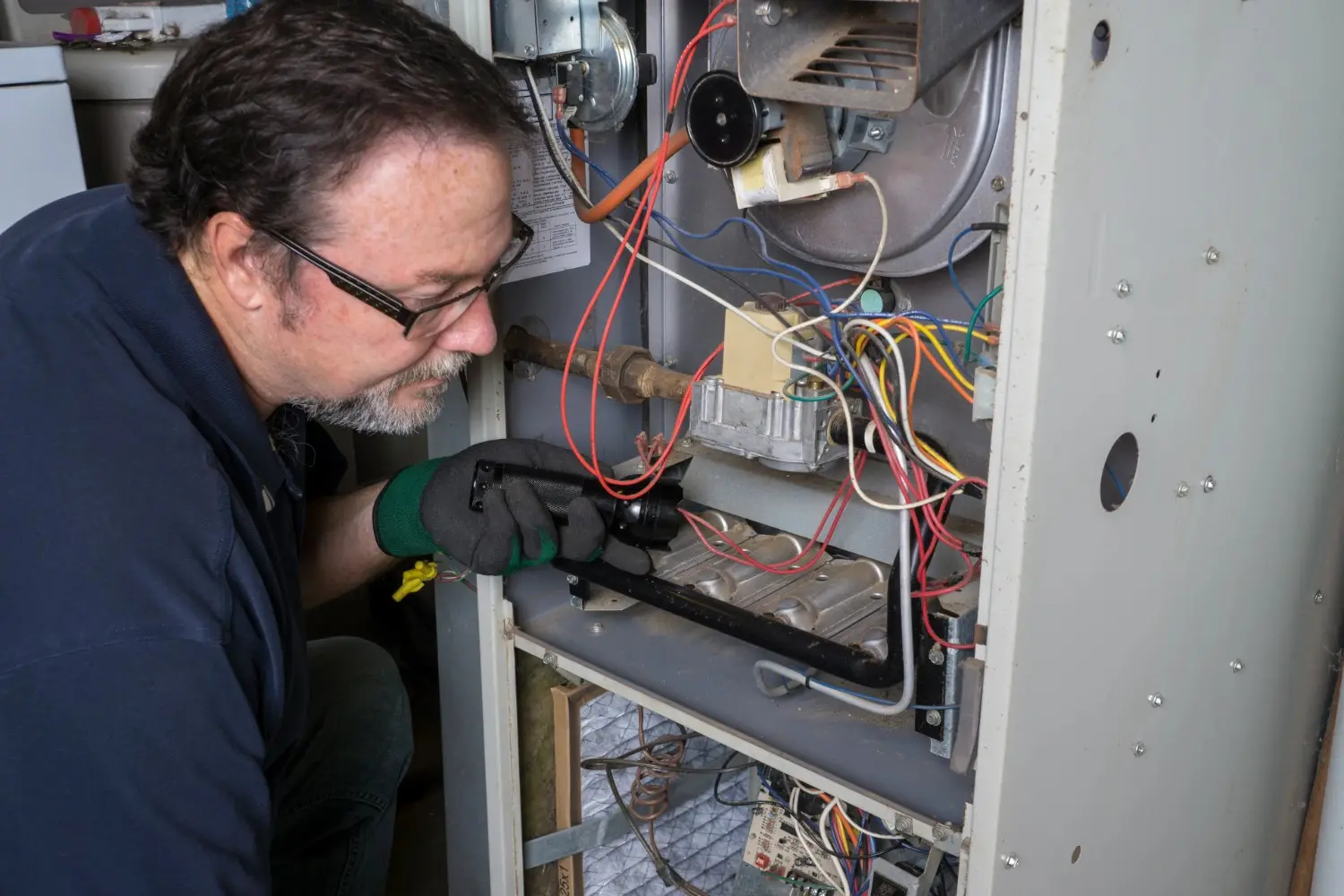
Technicians follow a systematic checklist to ensure nothing is overlooked. Typical items include:
General system
- Visual inspection of equipment and surrounding area for obstructions or hazards
- Review of previous service records and system age
Safety and combustion (gas furnaces)
- Inspect burner combustion and pilot assembly for proper ignition and flame characteristics
- Check flue and venting for corrosion, obstruction, or improper draft
- Test safety controls, limit switches, and carbon monoxide detectors
Airflow and distribution
- Replace or clean air filters; advise on correct MERV rating for system and home needs
- Inspect blower motor, wheel, belts, and bearings; lubricate as needed
- Check duct seals, insulation, and supply/return balances
Controls and efficiency
- Calibrate thermostat and verify system cycles properly
- Measure static pressure and airflow to ensure manufacturer specified performance
- Test heating output and refrigerant pressure on heat pumps; inspect reversing valve and defrost controls
Electrical and components
- Tighten electrical connections, inspect capacitors, contactors, relays, and wiring
- Verify condensate drain lines and traps are clear to prevent overflow-related shutdowns
Documentation
- Record system readings, parts replaced, and recommended follow-up actions
Parts and labor coverage options explained
Typical tiers give homeowners flexibility to match risk tolerance and budget:
- Basic maintenance: scheduled inspection and tune-up only; labor for the visit included; repairs billed separately
- Enhanced plan: includes scheduled tune-ups plus reduced hourly rates or credits on common parts such as filters, belts, and sensors
- Comprehensive coverage: broader parts and labor protection for most failures, often excluding major components after a certain equipment age; may include waived diagnostic fees and priority dispatch
Choosing the right tier depends on system age, current condition, and whether the home relies on the system for critical comfort needs during cold periods.
Cost savings and value of preventative care
Regular maintenance lowers lifetime operating costs in several measurable ways:
- Improved efficiency reduces monthly heating bills by ensuring optimal combustion and airflow
- Early detection of worn components avoids costly emergency breakdowns and secondary damage such as frozen pipes or water damage from condensate backups
- Extending useful life of equipment delays major replacement costs
- Maintaining documented service history supports warranty claims and can improve resale value by showing consistent care
In Gainesville, where seasonal humidity accelerates filter clogging and pollen buildup, the energy savings from clean components can be noticeable each heating season.
Record-keeping and service history
A good maintenance program provides clear records: dated reports, readings, parts replaced, and technician notes. Digital records and reminders help:
- Maintain warranty compliance by proving required yearly service
- Track recurring problems and identify trends that suggest replacement is more economical than repeated repairs
- Provide a transparent history for new homeowners or property managers
Enrollment steps for a heating maintenance agreement
Enrolling in a maintenance program generally follows these straightforward steps:
- Choose the coverage tier that matches your needs and equipment age, reviewing what parts or labor are included and any exclusions.
- Provide basic system information: equipment make, model, serial number, and installation date; homeowners in Gainesville often supply recent utility bills for efficiency benchmarking.
- Set preferred service windows for seasonal inspections, typically a fall tune-up before colder weather arrives.
- Confirm billing and record-keeping preferences; many programs offer annual or monthly payment options and digital service records.
- Receive enrollment confirmation with scheduled inspection dates, priority service terms, and instructions on how technicians will document each visit.
Choosing ongoing heating maintenance in Gainesville, GA ensures reliable comfort during cold snaps, improves indoor air quality in humid seasons, and protects your home and budget from avoidable breakdowns. A structured maintenance agreement tailored to local conditions provides clarity, faster service when you need it most, and measurable savings over the life of your heating equipment.
Customer
Testimonials


Service Areas