
Heating Installation in Gainesville, GA
.webp)
For homeowners in Gainesville, GA, we provide professional heating installation services, starting with an initial home assessment and load calculations, all the way through to expert equipment selection and code-compliant installation. We explain why proper sizing, ductwork, and humidity control are so important in Gainesville's unique climate, and we highlight common installation issues to avoid. Our comprehensive service covers permits, project timelines, testing, commissioning, and warranty expectations, plus we can help you with financing and rebates. We emphasize energy efficiency, long-term reliability, and ongoing maintenance as the keys to lasting comfort, cost savings, and a long system lifespan for your home.
Heating Installation in Gainesville, GA
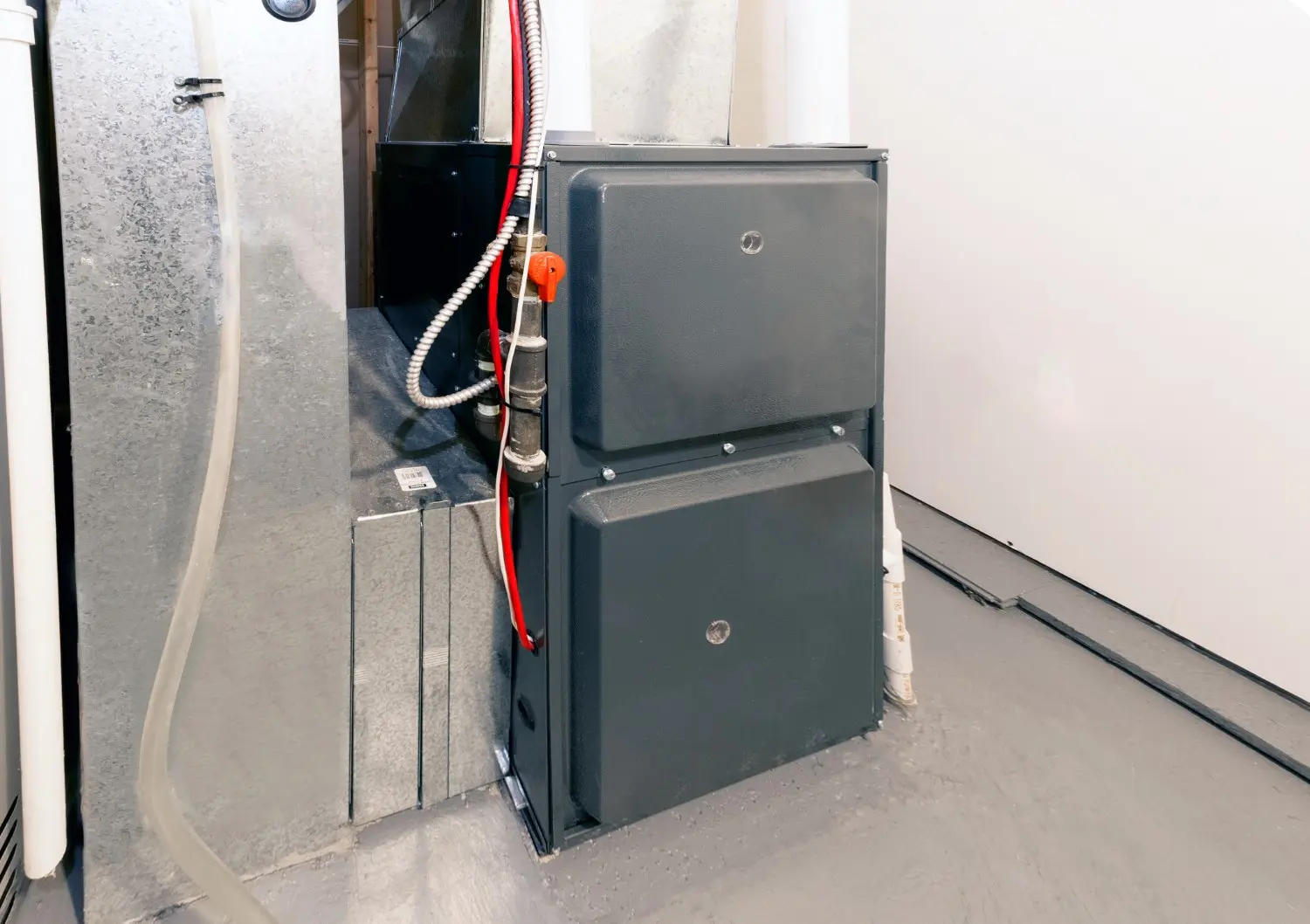
An efficient, properly installed heating system keeps your Gainesville, GA home comfortable through cool nights and occasional winter cold snaps while controlling energy costs and indoor humidity. Heating installation in Gainesville, GA combines accurate home assessment, right-sized equipment selection, and code-compliant workmanship to avoid common problems like short cycling, uneven heating, and high utility bills. Below is a clear, expert breakdown of the installation process, what to expect, common local issues, and how warranties and incentives typically work.
Why proper heating installation matters in Gainesville, GA
Gainesville sits in a humid subtropical climate: winters are generally mild but can include freezes and extended cool stretches. That makes heat pump systems an attractive, energy-efficient option for many homes, while some properties still rely on gas furnaces or dual-fuel setups. Proper installation matters here because:
- Humidity control and airflow affect comfort as much as temperature.
- Seasonal temperature swings mean systems must perform efficiently in both cool and transitional months.
- Improper sizing or poor ductwork in older Gainesville homes often causes uneven temperatures and wasted energy.
Common heating installation issues in Gainesville, GA
- Incorrect sizing (oversized or undersized units): Leads to short cycling or inability to maintain setpoint.
- Poor ductwork and airflow: Leaky, undersized, or uninsulated ducts reduce efficiency and comfort.
- Improper refrigerant charge or airflow on heat pumps: Causes reduced efficiency and higher wear.
- Inadequate ventilation or combustion venting for gas systems: A safety and code issue, especially in older houses.
- Mismatched equipment and thermostats: New high-efficiency equipment paired with old controls underperforms.
Home assessment and load calculations
A reliable installation begins with a thorough on-site assessment:
- Inspect insulation, window types, attic ventilation, and existing ductwork.
- Measure room-by-room heat loss/gain using Manual J load calculations to determine proper system capacity.
- Perform a Manual D duct design review if ducts are being replaced or modified.
- Evaluate fuel options available at the property (electric, natural gas, propane) and accessibility for outdoor units.
Accurate load calculations are critical in Gainesville where mild winters tempt oversizing. Properly sized systems improve comfort, reduce humidity issues, and extend equipment life.
Selecting energy-efficient units
Energy efficiency criteria to consider for Gainesville homes:
- Heat pumps: Efficient for most Gainesville homes; look for high HSPF and SEER ratings for heating and cooling performance. Consider cold-climate heat pumps if you frequently see temperatures near freezing.
- Gas furnaces: When natural gas is available and winters are colder in a particular year, high AFUE furnaces provide reliable heat.
- Mini-splits: Useful for additions or homes without ductwork; offer zoned control and excellent efficiency.
- Hybrid or dual-fuel systems: Combine heat pump efficiency with gas furnace backup for very cold periods.
Also consider features like variable-speed blowers, two-stage compressors, and integrated humidity control to optimize comfort for the local humid environment.
Permits and code compliance
Heating installation in Gainesville, GA requires adherence to local building codes and permitting:
- Obtain permits through the Gainesville/Hall County building department before work begins. Permits ensure proper inspections for gas piping, combustion venting, electrical connections, and final operation.
- All gas, electrical, and mechanical work must meet state and local codes. Licensed technicians should perform combustion safety testing, venting inspections, and electrical tie-ins.
- Inspectors will verify proper clearances, pressure testing for gas lines, and safe vent termination.
Plan for permit lead time when scheduling—permit review and inspections can add days to the overall timeline.
Step-by-step installation workflow and timeline
A typical residential heating installation follows these phases. Timeline varies by scope; most full replacements take 1–3 days on-site, while larger projects or replacements requiring ductwork can take longer.
- Pre-install planning and permitting (1–14 days depending on permit timelines)
- Equipment delivery and staging
- Remove old equipment and prepare mounting/pad areas
- Ductwork adjustments, sealing, and insulation (if required)
- Install new furnace or heat pump indoor and outdoor units, including proper clearances
- Connect refrigerant lines, electrical, gas piping, and condensate/drain lines
- System charging, startup, and initial diagnostics
- Commissioning and performance testing
- Final inspection and permit sign-off
For projects involving asbestos, structural repairs, or major duct redesign, additional time for remediation and inspections should be expected.
Post-installation testing and commissioning
Thorough testing ensures safety and efficiency:
- Verify correct refrigerant charge and compressor operation on heat pumps.
- Measure airflow, static pressure, and temperature split to ensure proper distribution.
- Perform combustion analysis and carbon monoxide checks on any combustion appliances.
- Test thermostat calibration, zoning dampers, and system controls.
- Conduct duct leakage tests when significant ductwork changes are made.
- Provide a homeowner orientation covering thermostat use, filter replacement, and seasonal tips.
Documenting test results protects homeowner and installer by confirming the system meets performance expectations.
Warranty and service expectations
Heating installations typically include two types of warranty coverage:
- Manufacturer warranties: Cover parts and key components (compressor, heat exchanger). Duration and coverage vary by model and manufacturer.
- Workmanship warranties: Cover installation-related issues for a specified period. These vary by installer.
Request written warranty terms detailing parts, labor, and any conditions (regular maintenance requirements, registration, etc.). Proper commissioning and documented testing help validate workmanship warranty claims.
Financing and rebate assistance in Gainesville, GA
Several financing and incentive pathways can make high-efficiency upgrades more affordable:
- Manufacturer and lender financing programs tailored to HVAC purchases.
- Utility or local rebates for qualifying high-efficiency heat pumps or systems; utility programs can offset upfront costs and improve payback.
- Federal tax credits or energy incentives may apply for certain energy-efficient installations—verify current eligibility and documentation requirements.
Assistance programs often require pre-approval or specific equipment ratings, so factor potential incentives into equipment selection and scheduling.
Maintenance and long-term benefits
Timely maintenance preserves efficiency and extends equipment life. Recommended practices:
- Replace filters regularly and schedule annual tune-ups for heating and cooling components.
- Keep outdoor units clear of debris and maintain proper airflow.
- Address duct leaks and insulation issues promptly.
A correctly installed, energy-efficient system reduces utility costs, improves comfort and indoor air quality, and lowers the risk of unexpected failures—especially important in Gainesville where seasonal humidity and occasional freezes influence system performance.
Customer
Testimonials


Service Areas