

Air Conditioning Tune-Up in Roswell, GA
.webp)
Air Conditioning Tune-Up in Roswell, GA outlines a comprehensive seasonal service designed to prevent breakdowns, improve efficiency, and preserve indoor comfort during hot summers. The page details a thorough checklist—filters, coils, refrigerant, thermostat calibration, airflow, electrical safety, drainage, and performance tests—along with a clear view of the service process: pre-inspection, diagnostics, and final recommendations. It explains optimal timing, frequency for Roswell homes, typical issues found, and practical steps homeowners can take to prepare, ensuring reliable operation and longer equipment life.
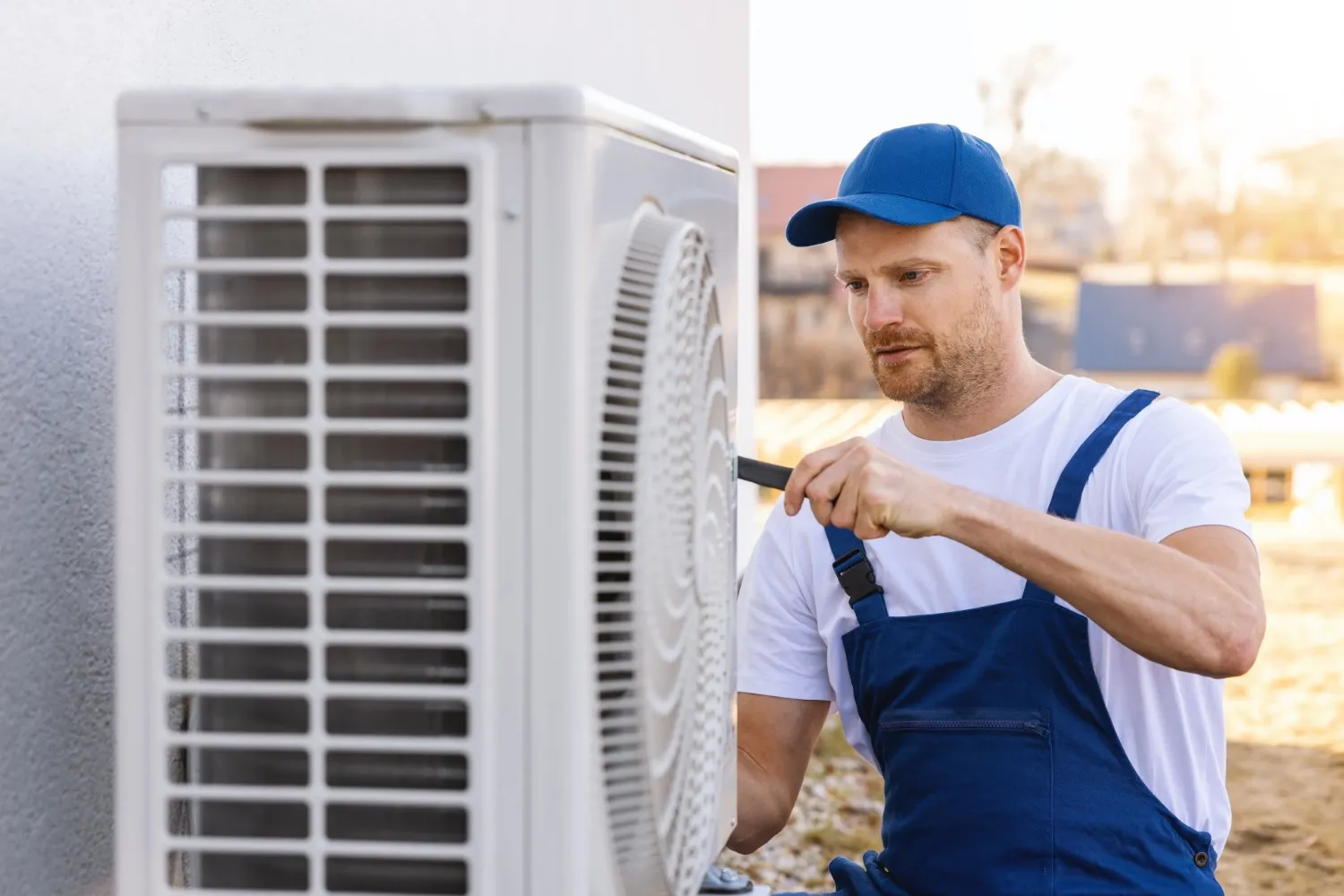
Air Conditioning Tune-up in Roswell, GA
Keeping your air conditioner tuned and ready is essential in Roswell, GA, where long, humid summers put constant demand on home cooling systems. A seasonal air conditioning tune-up helps prevent breakdowns during heat waves, keeps energy use under control, and improves indoor comfort. This page explains what a professional tune-up includes, common AC issues in Roswell homes, the benefits of regular maintenance, recommended timing, and practical tips for scheduling and preparing for service.
Why seasonal tune-ups matter in Roswell, GA
Roswell experiences hot, humid summers and a spring pollen season that increases strain on HVAC equipment. High humidity forces systems to run longer to maintain comfort, which accelerates wear. Outdoor units are exposed to pollen, leaves, and summer storms that can clog coils and damage fins. Regular tune-ups address these local challenges before they become costly problems, improving performance and indoor air quality in your home.
Typical air conditioning tune-up checklist
A comprehensive tune-up follows a step-by-step checklist to inspect, clean, and adjust your system. A typical seasonal service includes:
- Filter inspection and replacement
- Check filter type and condition; replace or recommend the right MERV-rated filter to balance airflow and filtration.
- Evaporator and condenser coil cleaning
- Remove dirt and debris from coils to restore heat transfer efficiency and reduce icing or overwork.
- Refrigerant check and leak inspection
- Measure refrigerant levels, check for leaks, and recommend repair if levels are low to maintain cooling capacity.
- Thermostat calibration
- Verify setpoint accuracy and thermostat operation to ensure the system cycles correctly and maintains comfort.
- Airflow and blower motor inspection
- Measure airflow, inspect blower wheel, clean as needed, and check motor amperage and bearings.
- Electrical and safety checks
- Inspect wiring, contactors, capacitors, fuses, and safety controls for wear or hazards.
- Drain line and pan cleaning
- Clear condensate lines and clean drain pans to prevent clogs and water damage or mold growth.
- System performance tests
- Measure temperature split, suction and discharge pressures (when applicable), and run tests to confirm efficient operation.
- Outdoor unit inspection
- Clear vegetation, ensure proper pad level, inspect fan and condenser fins, and recover proper refrigerant line insulation.
- Operational start/stop and control check
- Verify smooth start-up and shutdown, check cycle times, and ensure communication between components.
What the technician will do - the service process
A professional tune-up generally follows three stages:
- Pre-inspection
- Ask about recent problems, visually inspect indoor and outdoor units, check filter, and note any obvious issues.
- Diagnostics and service
- Run diagnostic tests, clean coils and drains, test electrical components, top up or test refrigerant, adjust airflow, and calibrate controls.
- Final report and recommendations
- Provide a concise service summary of work performed, any parts needing future attention, and suggestions for improving performance or reliability.
Technicians should explain findings in plain language and provide options for repairs or upgrades if problems are found.
Benefits of regular tune-ups
Regular seasonal maintenance delivers measurable homeowner value:
- Improved efficiency and lower energy use
- Clean, well-balanced systems use less electricity and keep cooling costs down during peak months.
- Greater reliability during extreme heat
- Preventive servicing reduces the risk of mid-summer breakdowns when repair waits are long and discomfort is high.
- Longer equipment life
- Routine care reduces stress on components, helping the system reach or exceed expected service life.
- Better indoor air quality
- Clean coils, changed filters, and clear drains reduce allergens, mold risk, and airborne particulates.
- Safety and code compliance
- Electrical inspections and safety control checks reduce fire risk and identify hazards before they escalate.
- Warranty protection
- Many manufacturers require periodic professional maintenance to keep warranty coverage valid.
Recommended frequency and timing in Roswell
For most Roswell homes, an annual tune-up in early spring is ideal—before the cooling season starts. This timing ensures the system is ready for sustained use during warm months. Consider semiannual checks for:
- Older systems (10 years or more)
- Homes with heavy cooling demand or multiple occupants
- Properties with known issues, such as intermittent leaks or frequent cycling
Scheduling a spring inspection and any minor repairs early reduces the chance of emergency service calls during summer heat waves.
Common tune-up findings in Roswell homes and typical solutions
During tune-ups in Roswell, technicians commonly find:
- Clogged filters and reduced airflow
- Solution: Replace filters and inspect ductwork for blockages or leaks.
- Dirty coils and reduced cooling capacity
- Solution: Professional coil cleaning and fin straightening to restore efficiency.
- Low refrigerant from leaks
- Solution: Leak detection, repair, and refrigerant recharge if required.
- Faulty capacitors or contactors
- Solution: Replace worn electrical components to restore reliable starts and operation.
- Clogged condensate drain
- Solution: Clear lines and treat to prevent recurrence and mold growth.
- Thermostat miscalibration
- Solution: Recalibrate or recommend programmable/connected thermostat upgrades for better control.
Preparing for a tune-up and what to expect at home
To get the most from a tune-up, prepare your home with a few simple steps:
- Clear around the outdoor unit of plants, debris, and toys to allow easy access and airflow.
- Ensure the indoor air handler access panel is reachable and remove items that obstruct the area.
- Note any specific problems you have experienced (noises, uneven cooling, frequent cycling) so the technician can focus diagnostics.
- Expect the visit to last from 45 minutes to 2 hours depending on system complexity and any repairs needed.
A thorough tune-up gives you a clear picture of system health, recommended next steps, and confidence that your AC is ready for Roswell summers.
An annual air conditioning tune-up in Roswell, GA is a practical investment in comfort, efficiency, and home protection. With humid, demanding summers and seasonal pollen and storms, timely professional maintenance reduces the risk of failures, lowers energy use, improves indoor air quality, and extends the life of your system. Plan maintenance in early spring, understand the typical checklist items, and use tune-ups as an opportunity to address small issues before they become major repairs.
Customer
Testimonials


Service Areas