
Air Conditioning Installation in Roswell, GA
.webp)
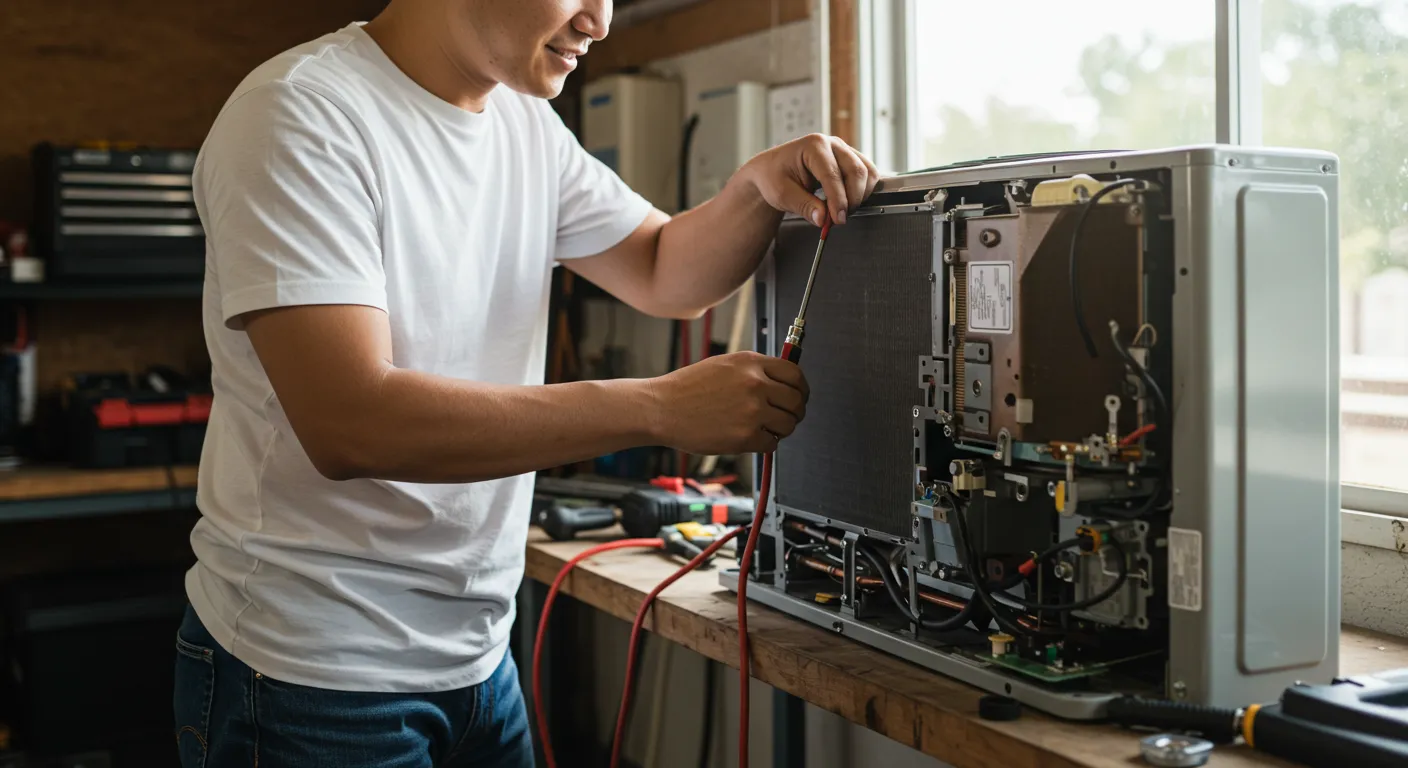
We provide comprehensive air conditioning installation services in Roswell, GA, starting with a detailed home assessment and precise Manual J load calculations. Our team helps you select energy-efficient systems and handles professional installation from start to finish. We manage ductwork considerations, permitting, system testing, commissioning, and post-installation orientation to ensure your home stays comfortable, properly humidified, and efficiently cooled. With our focus on correct sizing, airtight ductwork, and thorough quality checks, we minimize hot spots, energy waste, and callbacks. Our service also includes guidance on warranty coverage and maintenance plans to protect your investment for years to come.
Air Conditioning Installation in Roswell, GA
Replacing or installing a new air conditioning system is a major home investment, especially in Roswell where hot, humid summers place heavy demand on cooling equipment. Proper installation affects comfort, indoor air quality, energy bills, and system life. This page explains the full process for new air conditioning installations in Roswell, GA, including home assessments and load calculations, guidance on selecting energy-efficient systems, professional installation steps, permitting and testing, post-installation commissioning, and warranty and maintenance options.
Why a tailored installation matters in Roswell homes
Roswell’s climate means longer cooling seasons and elevated humidity. Many homes here are older and may have undersized ducts, limited attic insulation, or mixed renovations that affect load. An installation that ignores these local factors often leads to uneven cooling, short cycling, high energy bills, or poor humidity control. A correctly sized, well-installed system matched to your house delivers quieter operation, better humidity control, and lower operating costs.
Common Air Conditioning installation types in Roswell
- Replacement of existing central AC or
heatpump systems - New installation for new construction or home additions
- Ductless mini-split systems for rooms or homes without ductwork
- Heat pump installations for combined heating and cooling efficiency
- Zoned systems and smart-thermostat integrations for multi-level homes
Each option has tradeoffs for efficiency, comfort, and ductwork needs. The home assessment determines the best approach.
Home assessment and load calculations
A responsible installation begins with a detailed home assessment and a proper load calculation:
- Manual J load calculation. This determines the exact cooling capacity your home requires based on square footage, insulation levels, window areas and orientation, occupancy, and local climate conditions. It prevents undersizing or oversizing.
- Duct evaluation and Manual D. Inspect existing ductwork for leaks, sizing, and layout. Roswell homes often need duct sealing or reconfiguration to eliminate hot and cool spots.
- Envelope review. Check attic insulation, window type, air leaks, and shading from trees. Improvements here reduce required system size and operating costs.
- Electrical and access inspection. Verify service panel capacity, disconnect location, pad or platform space, and routing for refrigerant and condensate lines.
A complete assessment ensures the equipment you choose is the right match for your home and Roswell’s humidity and temperature patterns.
Selecting energy-efficient models
When choosing a new system in Roswell, prioritize efficiency and humidity control:
- SEER ratings. Higher SEER (seasonal energy efficiency ratio) means lower cooling costs. For Roswell’s long cooling season, a higher SEER delivers more savings over time.
- Variable-speed and two-stage compressors. These provide more consistent temperatures, better dehumidification, and improved comfort compared with single-stage units.
- Properly matched components. Indoor coil, outdoor unit, and furnace or air handler must be matched for optimal performance and to maintain warranty coverage.
- Heat pumps vs central AC. Modern heat pumps provide efficient cooling and heating, reducing the need for separate systems in mild Georgia winters.
- Indoor air quality features. Consider MERV-rated filters, UV lights, or whole-home dehumidifiers for improved comfort in humid months.
Also check for ENERGY STAR certifications and manufacturer warranty terms. Utility rebates or incentive programs may be available for high-efficiency equipment in the Roswell area.
Professional installation steps, permitting, and testing
A professional installation follows a defined process to meet performance and local code requirements:
- Permit application. Obtain required permits from the City of Roswell or Fulton County authorities. Licensed installers typically handle permitting and scheduling inspections.
- Removal and site preparation. Safely remove the old system, prepare a level pad or mount for the outdoor unit, and ensure proper clearances and drainage.
- Duct and indoor unit work. Install or modify ductwork, set the indoor coil or air handler, insulate refrigerant lines, and secure condensate drainage.
- Refrigerant and electrical connections. Charge refrigerant to manufacturer specifications, install disconnects, breakers, and wiring, and ensure proper grounding.
- Thermostat and controls. Install a compatible thermostat, configure zoning if applicable, and integrate smart controls where desired.
- Commissioning and testing. Measure airflow (CFM), verify static pressures, check refrigerant charge using superheat and subcooling, confirm temperature split, test safety controls, and perform leak checks. Inspect duct sealing and insulation.
- Final inspection. Coordinate municipal inspection to validate code compliance and approve the work.
Permitting and inspection ensure installations meet local building codes, safety standards, and preserve warranty coverage.
Post-installation commissioning and homeowner orientation
After testing and inspection, proper commissioning and homeowner education are critical:
- Walkthrough demonstration. Installer should show typical operating modes, thermostat programming, filter access, and emergency shutdown.
- System documentation. Provide equipment model numbers, serial numbers, maintenance schedule, and warranty registration instructions.
- Performance verification. Confirm the system reaches set temperatures, controls humidity effectively, and operates quietly.
- Recommendations for immediate improvements. This might include additional attic insulation, duct sealing, or adding a dehumidifier for Roswell’s humid months.
Proper commissioning maximizes efficiency and reduces callbacks.
Warranty and maintenance options
Manufacturer warranties typically cover parts, and some include compressors. Installers may offer limited labor warranties or extended service plans. Maintenance is the most important factor in long equipment life:
- Annual or biannual tune-ups. Check refrigerant charge, clean coils, test controls, inspect ductwork, and verify airflow before the cooling season.
- Regular filter replacement. Use the correct MERV level and replace or clean filters every 1 to 3 months depending on use.
- Duct cleaning and sealing. Periodic sealing reduces energy loss and improves airflow balance.
- Service plans. Consider scheduled maintenance plans that include priority service and discounts on repairs.
Register equipment with the manufacturer to preserve warranty rights and keep a log of service visits.
Typical problems and solutions after poor installations
- Short cycling and high humidity: usually from oversized units or wrong refrigerant charge. Correct sizing and proper commissioning fix this.
- Uneven cooling: often due to duct leakage, poor zoning, or undersized ducts. Duct sealing or rebalancing corrects airflow.
- High utility bills: can be caused by low efficiency equipment, poor insulation, or dirty coils. Upgrading equipment and envelope improvements reduce costs.
- Noisy operation: improper mounting or failing components. Proper installation and vibration isolation help.
A quality air conditioning installation in Roswell, GA starts with an accurate assessment and load calculation, continues through carefully matched equipment selection and code-compliant installation, and finishes with thorough testing, commissioning, and an ongoing maintenance plan. Given Roswell’s humid, long cooling season and the variety of home styles in the area, investing in the right system and professional installation delivers lasting comfort, better humidity control, and predictable energy costs.
Customer
Testimonials


Service Areas