
Air Conditioning Replacement in Gainesville, GA
.webp)
Air conditioner replacement in Gainesville, GA focuses on knowing when an aging system should be upgraded and how to ensure the process is done correctly. Professional evaluations identify signs that favor replacement, while upgrade options improve energy efficiency and humidity control. The service includes safe removal and disposal of old equipment, cost guidance, and recommendations for properly matched components to maximize long-term savings. Homeowners can expect a clear project timeline, noticeable comfort improvements, and strategies to optimize performance through regular maintenance, duct sealing, and smart controls designed for north Georgia’s climate.
Air Conditioning Replacement in Gainesville, GA
Replacing an aging or failing air conditioner is one of the most impactful investments Gainesville homeowners can make for comfort, indoor air quality, and energy savings. In north Georgia’s hot, humid climate, an inefficient or undersized system struggles to remove both heat and moisture, leading to high energy use, frequent breakdowns, and uneven cooling. This page explains how professional AC replacement in Gainesville, GA is evaluated and executed, what signs point to replacement instead of repair, recommended upgrade choices for improved efficiency and humidity control, removal and disposal procedures, realistic timeline expectations, and the long-term savings you can expect.
Why Gainesville homes need timely AC replacement
- Long, muggy summers in Gainesville increase run time and accelerate wear on equipment.
- Older systems often use phased-out refrigerants (R22) or were sized for past insulation and occupancy levels, making them inefficient today.
- High humidity inland from Lake Lanier stresses coils and increases corrosion risk.Replacing an old system can restore consistent comfort, lower monthly energy use, and reduce emergency repairs during peak cooling season.
How technicians evaluate your existing equipment
A detailed, professional evaluation determines whether replacement is the right choice. Typical steps include:
- Inspection of outdoor condenser and indoor air handler: age, corrosion, coil condition, and evidence of past repairs.
- Performance testing: measuring refrigerant pressures, airflow, and temperature split to assess cooling capacity and efficiency.
- Electrical and safety check: breaker sizing, wiring, and proper disconnects.
- Refrigerant review: identifying refrigerant type (R22 vs modern refrigerants) and checking for leaks.
- Ductwork assessment: leaks, insulation, and airflow problems that affect capacity and efficiency.
- Load calculation (Manual J): a size calculation that accounts for Gainesville’s climate, home orientation, insulation, windows, and occupancy to recommend properly sized equipment.
This evaluation doesn’t rely on age alone; technicians weigh current performance, repair history, and projected operating costs to recommend repair or replacement.
Signs replacement versus repair
Consider replacement when you see one or more of these common signs in Gainesville homes:
- System age: frequent major failures or parts for older models are scarce due to refrigerant phase-outs.
- Rising energy bills despite similar usage and thermostat settings.
- Repeated compressor, coil, or refrigerant repairs within a short time frame.
- Poor humidity control or persistent condensation and mold issues.
- Uneven temperatures between rooms or persistent short-cycling (system turns on and off quickly).
- Noisy operation, frequent tripping of breakers, or electrical issues.If problems are limited and the unit has been reliable historically, targeted repairs may be appropriate. When repairs are frequent or efficiency is poor, replacement often delivers better long-term value.
Recommended upgrade options for improved efficiency and comfort
Choosing the right replacement in Gainesville means matching equipment to local needs: cooling capacity, humidity control, and energy efficiency. Common upgrade choices:
- Higher SEER ratings: modern systems with higher SEER offer lower energy use; upgrading can substantially reduce cooling energy compared to older units.
- Variable-speed or two-stage compressors: improve comfort by running at lower speeds for longer periods, increasing dehumidification and reducing temperature swings.
- Heat pump systems: provide efficient cooling and heating in moderate winter conditions typical of north Georgia, often with better year-round efficiency.
- Properly matched indoor and outdoor components: ensures optimal performance and longevity; mismatched systems compromise efficiency and reliability.
- Improved airflow and duct sealing: correcting leaks and balancing airflow often increases comfort more cost-effectively than upsizing equipment.
- Advanced thermostats and zoning: smart controls and multi-zone setups improve comfort and can reduce wasted cooling.
- Enhanced filtration and UV/IAQ options: address pollen and humidity-related indoor air quality concerns common in the region.
Removal and disposal of old systems
Responsible replacement includes safe removal and disposal:
- Refrigerant recovery: certified technicians recover refrigerant per EPA rules before disposal; older refrigerants like R22 require special handling.
- Recycling metals and components: outdoor condensers and indoor air handlers are recycled where possible.
- Proper disposal of non-recyclable parts and safe handling of oils and insulation.
- Site cleanup and verification that condensate and drain lines are correctly reconnected.Proper disposal protects the environment and ensures compliance with local regulations.
Cost comparisons and long-term savings
When weighing repair versus replacement, focus on total cost of ownership rather than initial price alone:
- Upfront replacement costs are higher than most single repairs, but a newer high-efficiency system typically lowers monthly energy use and maintenance needs.
- Energy savings increase with higher-efficiency equipment and with corrected ductwork and controls.
- Replacement reduces the frequency of emergency repairs and can extend reliable service life for many years.
- Payback periods vary with usage patterns, efficiency differences, and local energy rates; homes with heavy summer cooling needs in Gainesville will see greater annual savings.Also consider increased home comfort, improved humidity control, and potential boosts to home resale value as part of the overall return.
Timeline expectations for Gainesville installations
A typical replacement project flow:
- Initial evaluation and quote: often completed in one visit after performance testing.
- Equipment selection and ordering: lead times vary by model and season; summer months can add delay.
- Permits and scheduling: some areas require permits or inspections, which add a short administrative interval.
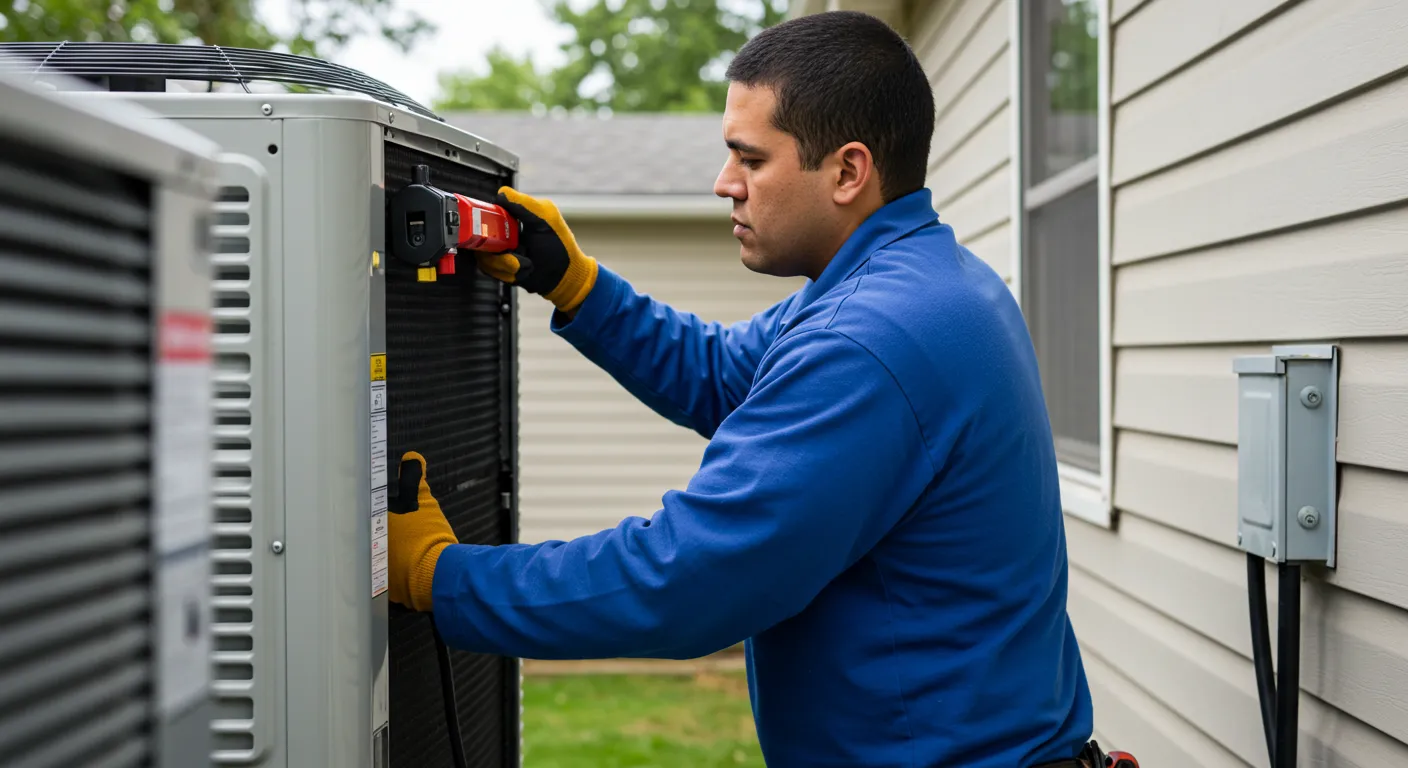
- Installation day(s): most residential replacements can be completed within one to two days, including removal, installation, start-up, and system testing.
- Post-installation checks: verifying control settings, thermostat programming, and airflow balance.Plan installations outside peak heat when possible to minimize scheduling delays and ensure timely start-up testing.
Getting the most from your new system
- Schedule annual maintenance: keeps warranties valid, maintains efficiency, and extends equipment life.
- Ensure proper thermostat settings and programmable schedules that match your household patterns.
- Keep outdoor unit clear of debris and vegetation to maintain airflow and efficiency.
- Seal and insulate ducts and attics where possible to reduce load on the system.
- Consider periodic IAQ upgrades to address pollen and humidity, improving comfort during Gainesville’s long cooling season.
Replacing your air conditioner in Gainesville, GA, is a decision best guided by a thorough evaluation and careful equipment selection tailored to the local climate challenges. A properly sized, matched, and installed system improves comfort, reduces humidity problems, and delivers measurable operating savings over time.
Customer
Testimonials


Service Areas