
Air Conditioning Installation in Gainesville, GA
.webp)
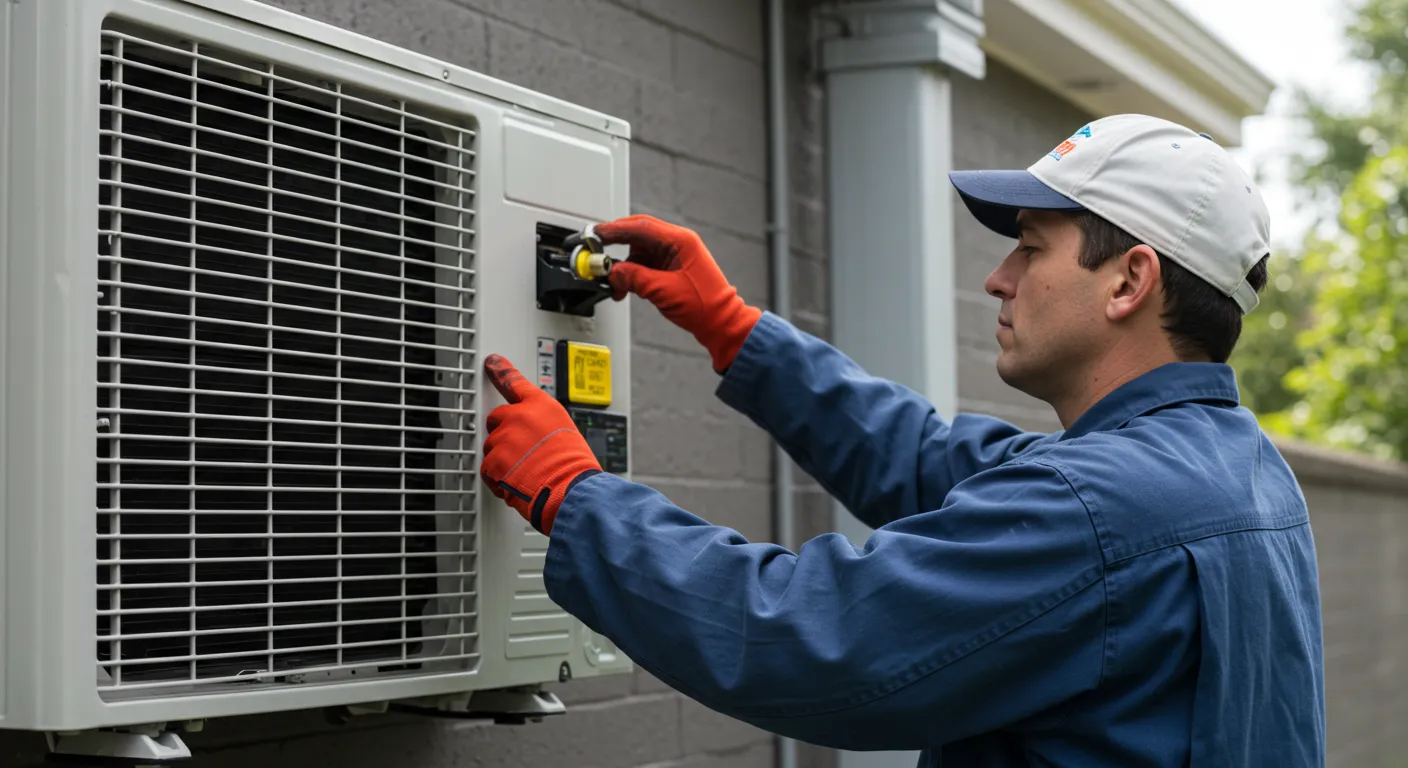
Air conditioning installation in Gainesville, GA delivers a comprehensive, properly sized cooling system designed for humid southeast conditions. The process begins with a thorough on-site assessment and Manual J load calculations to ensure correct equipment sizing, followed by careful ductwork inspection, sealing, and energy-efficient equipment selection. The installation sequence includes permits, electrical work, refrigerant handling, testing, commissioning, and thermostat calibration, with post-installation performance checks and maintenance guidance to maximize comfort, indoor air quality, and long-term system reliability in Gainesville summers.
Air Conditioning Installation in Gainesville, GA
An efficient, properly installed air conditioning system is one of the most important investments for comfort and energy savings in Gainesville, GA. With long, humid summers and frequent heat spells, homes in Gainesville need equipment sized and installed to control temperature and indoor moisture reliably. This page outlines the full process for new air conditioning system installation in Gainesville, GA so you know what to expect, how decisions are made, and how quality installation protects comfort, indoor air quality, and equipment life.
Why proper installation matters in Gainesville, GA
Gainesville experiences high cooling loads and sustained humidity for much of the year. A mis-sized or poorly installed system will short cycle, struggle to remove moisture, increase energy bills, and wear out faster. Proper installation addresses:
- Correct equipment sizing for Gainesville climate conditions
- Duct sealing and airflow balancing to prevent hot or humid rooms
- Electrical and permitting compliance with Hall County and Georgia requirements
- Manufacturer warranty validity through correct installation and registration
Common air conditioning issues in Gainesville homes
Homeowners seeking a new air conditioning system often report:
- Inconsistent cooling and high indoor humidity
- Rising utility bills with declining comfort
- Repeated repairs on aging equipment
- Noisy operation or frequent short cycling
- Duct leaks or undersized ductwork reducing efficiency
A full installation addresses these root causes rather than just replacing the outdoor unit.
In-home assessment and load calculations
A reliable installation begins with a comprehensive on-site assessment:
- Measure home size, layout, ceiling heights, insulation levels, window orientation, and shading
- Identify attic insulation levels and duct locations
- Note local conditions such as attic ventilation and shade from trees common in Gainesville yards
- Perform a Manual J load calculation to determine the exact cooling capacity needed for your home in Gainesville, GA
Load calculations ensure the system is sized to handle peak summer conditions without excessive cycling. In hot, humid climates like Gainesville, attention to moisture load is as important as temperature.
Equipment selection and energy-efficient options
Selecting the right equipment includes more than picking a brand:
- Choose a system with appropriate capacity from the load calculation
- Consider higher SEER ratings and variable-speed compressors for better humidity control and lower energy use during Gainesville summers
- Evaluate matched indoor coil and outdoor condensing unit combinations for optimal efficiency
- Look at advanced thermostats and zoning options to improve comfort and save energy in multi-level or irregularly used homes
Higher-efficiency systems may offer long-term savings in Gainesville because of the extended cooling season.
Ductwork inspection and necessary modifications
Ductwork issues are common and can dramatically affect performance:
- Inspect for leaks, disconnected joints, crushed runs, and insufficient insulation in attic ducts
- Measure static pressure and airflow to identify restrictive ducts or undersized returns
- Recommend duct sealing, insulation upgrades, or targeted modifications to improve airflow and humidity control
Sealing and balancing the duct system is often the most cost-effective way to improve comfort after a new unit is installed.
Step-by-step installation process
The typical installation sequence for a new air conditioning system in Gainesville, GA includes:
- Finalize equipment selection and confirm load calculation
- Obtain required permits and schedule inspections with local authorities
- Prepare the site: level pad, ensure proper clearances, and plan line set routing
- Remove the old system and responsibly dispose of refrigerant according to regulations
- Install the outdoor condensing unit and indoor evaporator coil or air handler
- Modify or replace duct connections as needed and seal joints
- Install electrical service, disconnect, and properly sized breakers and wiring
- Evacuate and charge the refrigerant system, following manufacturer specifications
- Install thermostat and control wiring, calibrate settings for Gainesville climate
- Perform startup, commissioning, and performance testing
Each step is documented and coordinated with local permit inspections to maintain code compliance.
Permits, code compliance, and documentation
Installations in Gainesville must comply with Georgia state codes and Hall County or city permit requirements. Proper permitting ensures:
- Work is inspected for safety and code compliance
- Refrigerant handling is performed to environmental standards
- Manufacturer warranties remain valid by meeting installation requirements
All installation paperwork, permit approvals, and manufacturer registrations should be retained for warranty and resale documentation.
Warranty, manufacturer registration, and protection
New systems typically include multiple warranty layers:
- Compressor and cabinet warranties from the manufacturer
- Parts warranties and optional labor coverage
- Recommended registration of the system with the manufacturer to activate extended coverage
Keep copies of installation records, load calculations, and invoices. This documentation helps if warranty service is needed and supports future home resale.
Financing and rebates available to Gainesville homeowners
Options to reduce upfront cost commonly include:
- Manufacturer rebates for specific high-efficiency models
- Utility rebate programs and seasonal promotions that target energy-saving equipment
- Financing plans through equipment lenders or dealer financing for spreading payments
- Possible federal energy tax credits for qualifying high-efficiency equipment when applicable
Investigate available programs at the time of purchase to incorporate savings into equipment selection.
Post-installation performance testing and assurance
After installation, thorough testing verifies performance:
- Measure airflow, static pressure, and temperature differentials across the coil
- Check refrigerant charge using superheat and subcooling methods
- Verify thermostat accuracy and proper cycling behavior for Gainesville conditions
- Test dehumidification performance and room-by-room temperature balance
A properly commissioned system will run longer cycles to remove humidity, maintain steady temperatures, and operate more quietly and efficiently.
Long-term benefits and maintenance recommendations
A quality installation results in:
- Improved comfort and more consistent indoor humidity control during Gainesville summers
- Lower energy bills through correct sizing and efficient operation
- Fewer breakdowns and longer equipment life with proper airflow and charge
- Validated warranties and documentation for peace of mind
Recommended maintenance for Gainesville homes:
- Replace or clean air filters monthly during heavy pollen and cooling seasons
- Schedule annual tune-ups before peak summer to verify refrigerant, motors, and electrical components
- Seal and insulate attic ducts and maintain attic ventilation
- Use programmable or smart thermostats to reduce runtime during unoccupied periods
Proper maintenance keeps a new system running efficiently for years and protects the investment.
Conclusion
A new air conditioning system installation in Gainesville, GA should be driven by accurate load calculations, correct equipment selection for the humid southeast climate, ductwork integrity, code-compliant installation, and thorough performance testing. When these elements are handled correctly, homeowners gain reliable comfort, improved indoor air quality, and measurable energy savings throughout Gainesville summers.
Customer
Testimonials


Service Areas