
Plumbing Replacement in Roswell, GA
.webp)
Roswell plumbing replacement services guide explains when to replace aging piping, water heaters, and fixtures, and outlines how we assess homes, propose material options, and manage removal and disposal. It covers common projects such as whole house repiping, water heater swaps, fixture upgrades, and sewer line work, plus service line replacements. The page compares replacement versus repair, estimates timelines, reviews warranties, and details financing and rebate opportunities to help homeowners plan safe, reliable, code compliant upgrades that boost efficiency and value.
Plumbing Replacement in Roswell, GA
Plumbing replacement in Roswell, GA addresses aging or failing components that increasingly disrupt daily life—slow drains, discolored water, frequent leaks, or repeated repairs. In Roswell’s mix of historic neighborhoods and newer subdivisions, older piping materials, tree-root intrusion, and hard water can shorten system life and reduce performance. This page explains what to expect from a full-service plumbing replacement: how we assess problems, which materials and upgrades make sense in Roswell homes, removal and disposal practices, the advantages of replacement versus repeated repairs, project timelines, warranty norms, and financing or rebate avenues to help you decide confidently.
Common plumbing replacement projects in Roswell, GA
- Whole-house repiping: Replacing outdated or corroded piping (galvanized steel, cast iron, or lead) with modern materials to improve water quality, pressure, and reliability. Common in older Roswell homes built before modern piping standards.
- Water heater replacement: Tank and tankless options for failing or inefficient heaters, often to increase energy efficiency and reduce recovery time.
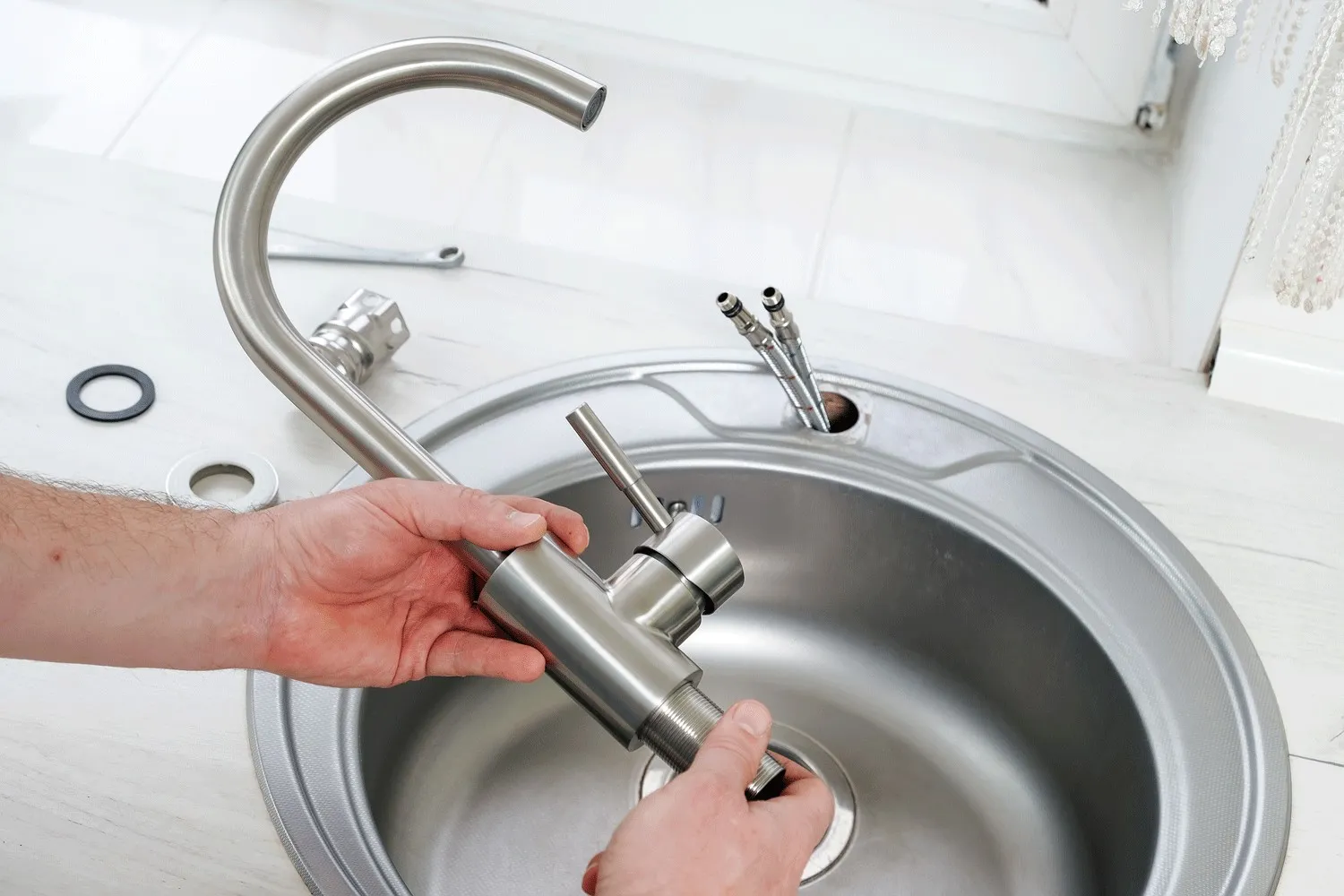
- Fixture replacement: Upgrading sinks, tubs, showers, and toilets for water savings, aesthetics, and ADA or accessibility requirements.
- Sewer line replacement: Repairing or replacing damaged sewer mains affected by tree roots, shifting soils, or collapsed pipes—often using either traditional excavation or trenchless methods.
- Service line and exterior piping: Replacing the water service from the street to the home when corrosion or lead is present.
How we assess and recommend replacements
A practical, step-by-step diagnostic avoids surprises and establishes clear options:
- Initial inspection: Visual inspection of exposed plumbing, fixtures, and appliances, plus homeowner interview about symptoms and history.
- Noninvasive testing: Video camera sewer scans, pressure tests, water quality testing (for discoloration, sediment, or lead indicators), and leak detection as needed.
- Condition report and options: A written assessment outlining recommended replacements, alternatives (partial repair vs full replacement), estimated timelines, and pros/cons for each choice.
- Permit and code review: Confirmation of required permits and code updates for Roswell and Fulton County to ensure replacements meet current standards.
This process provides transparent, actionable recommendations tailored to your home’s age, materials, and usage patterns.
Material and upgrade options — pros and cons
- PEX (cross-linked polyethylene)
- Pros: Flexible, resists corrosion, easier and faster to install, good for freeze-prone lines.
- Cons: Can be sensitive to UV exposure; choose certified products for potable water.
- Copper
- Pros: Long-lasting, durable, excellent for hot water lines; well-understood by plumbers and inspectors.
- Cons: Higher material and labor cost; susceptible to acidic water corrosion in some areas.
- CPVC
- Pros: Cost-effective for hot and cold lines, fire-resistant.
- Cons: Brittle in very cold temperatures and less flexible than PEX.
- PVC/HDPE for sewer lines
- Pros: Durable, smooth interior reduces blockages; HDPE great for trenchless installations.
- Cons: Installation method affects cost and landscape impact.
- Water heaters
- Tank-style: Simpler replacement, lower initial cost.
- Tankless: Higher upfront cost, lower operating costs for many households, space saving, and longer service life.
- Low-flow fixtures and smart controllers
- Pros: Reduce water use and utility bills; can qualify for rebates and meet Roswell conservation goals.
When recommending materials, we consider Roswell climate patterns (hot, humid summers and occasional freeze events), local water chemistry (hardness and mineral content), and the home’s age and layout.
Removal, disposal, and safety
- Safe removal: We isolate systems, drain lines, and remove components with minimal disturbance to finishes and landscaping. For older homes, special care is taken when removing lead or galvanized materials.
- Proper disposal: Materials are sorted and disposed of in accordance with local regulations. Metal, copper, and recyclable plastics are recycled where possible.
- Environmental and health considerations: If lead piping or contaminated sediments are identified, we follow containment and disposal protocols to protect household health and local stormwater systems.
- Site restoration: Excavations are backfilled, compacted, and restored to a homeowner-agreed standard. Trenchless options minimize surface disturbance for driveways and lawns.
Replacement versus repair: why replace now
- Long-term cost predictability: Replacing aged components reduces the frequency and cumulative cost of emergency repairs over time.
- Improved reliability: New systems reduce leaks, water damage risk, and appliance wear—especially important in Roswell’s freeze-thaw windows that can stress older pipes.
- Water quality and safety: Replacing lead, galvanized, or heavily corroded piping improves taste, appearance, and reduces health risks.
- Efficiency and compliance: New water heaters, fixtures, and pipes can reduce energy and water use, meet current code, and may qualify for rebates.
- Property value and insurance: Modernized plumbing can make a home more marketable and reduce the likelihood of insurance claims for repeated issues.
In many cases, partial repairs are a short-term fix. Replacement is generally recommended when failures are systemic, materials are known to be end-of-life, or repeated repairs have eroded reliability.
Typical project duration and what to expect
- Fixture replacements (sink, toilet, faucet): A few hours to one day depending on finish work.
- Water heater replacement: 3 to 6 hours for a standard tank; 1 day or more for conversions to tankless or relocations.
- Partial repipe (single area or bathroom): 1 to 3 days depending on accessibility and finish restoration.
- Full-house repipe: 2 days to 2 weeks depending on house size, wall/ceiling access, and finish restoration needs.
- Sewer line replacement: 1 day to a week for traditional excavation; trenchless repairs can often be completed in 1 to 2 days with less landscaping impact.
Timelines vary with permit turnaround, weather (heavy rain can delay exterior work), and the need for additional repairs uncovered during replacement.
Warranty expectations
- Manufacturer warranties: Components typically carry manufacturer warranties ranging from a few years (fixtures) to 5–12 years or more for water heaters—tankless units often have longer warranties on key parts.
- Labor and workmanship: Installer labor warranties commonly range from 1 to 5 years depending on the scope. Ask for written warranty terms that outline coverage and any exclusions.
- Transferability: Some manufacturer warranties are transferable if you sell your home; verify transfer rules and registration requirements.
- Documentation: Keep all receipts, warranty paperwork, and permit records. These documents are essential for future claims, home sales, or code verification.
Financing and rebate guidance for Roswell homeowners
- Financing options: Many homeowners use home improvement loans, personal loans, or contractor financing plans to spread replacement costs. Terms and availability vary; review loan details and warranties together.
- Rebates and incentives: Energy-efficient upgrades—such as high-efficiency water heaters, tankless units, and low-flow fixtures—may qualify for manufacturer rebates, utility incentives, or state energy programs. Local conservation programs in Georgia or Fulton County sometimes offer rebates for water-saving fixtures or irrigation modifications.
- Tax credits: Certain energy-efficient systems may qualify for federal or state tax incentives; consult a tax advisor for eligibility.
- Planning tip: Combine scope items (for example, water heater plus low-flow fixtures) to maximize potential rebate and efficiency gains.
Final considerations for Roswell homes
Older construction, large shade trees with invasive roots, and local soil conditions can influence when and how replacements are done in Roswell, GA. Prioritize replacement when you see repeated leaks, rusted piping, discolored water, or frequent sewer backups. A professional assessment that includes a camera inspection and water quality check will clarify whether replacement is the prudent long-term decision.
Replacing plumbing components is an investment in safety, comfort, and long-term savings. Thoughtful material choices, local-code-compliant installations, and attention to warranties and incentives will give you confidence in the performance and lifespan of your new system.
Customer
Testimonials


Service Areas