
Plumbing Repair in Gainesville, GA
.webp)
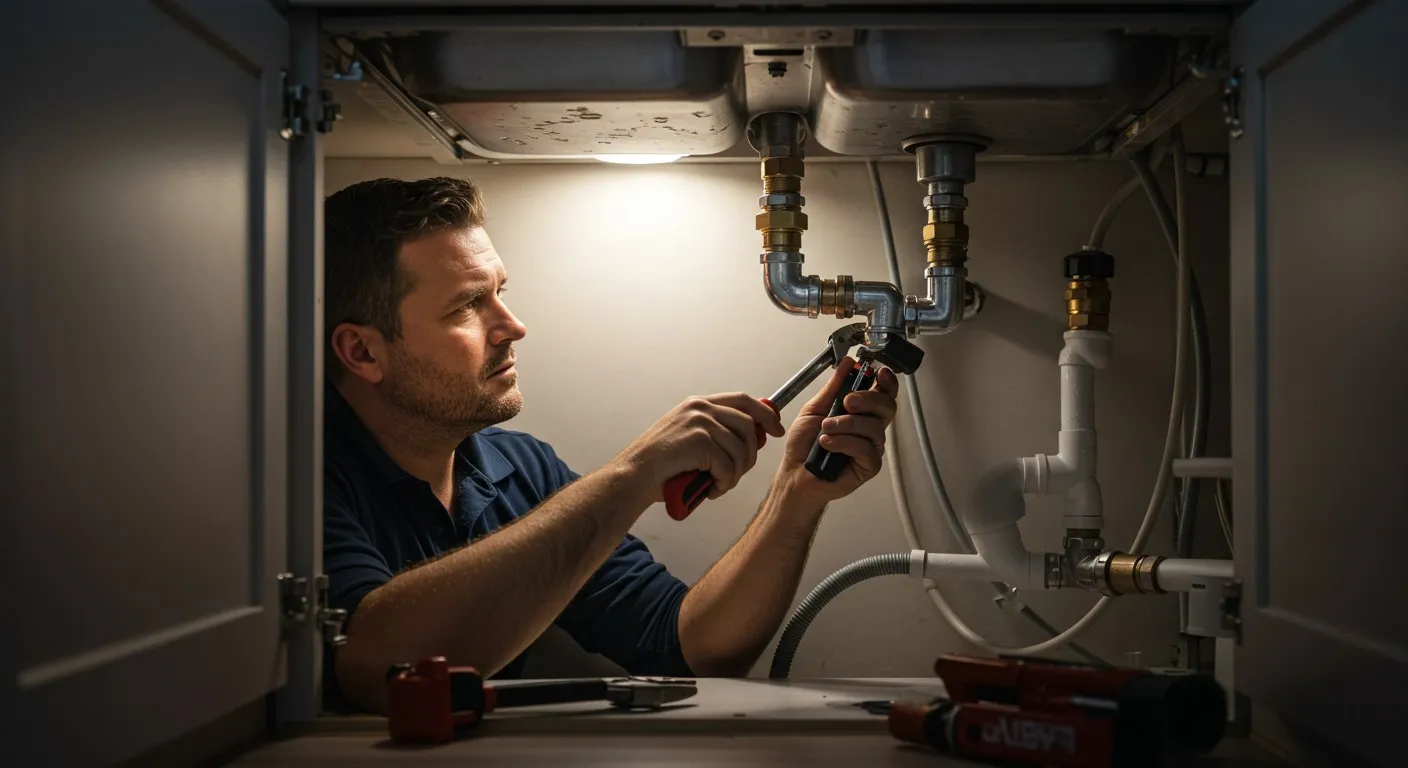
Plumbing repair services in Gainesville, GA deliver accurate diagnostics for issues such as leaks, mineral buildup, and faulty fixtures, helping prevent damage and extend system life. Solutions include emergency leak containment, pipe and fixture repairs, drain cleaning, and water heater service, with clear information provided on parts, labor, permits, and realistic timelines. Homeowners also receive preventive guidance such as sediment flushing, pipe insulation, valve maintenance, and routine drain inspections to minimize emergencies. With precise diagnosis and durable repairs, these services safeguard homes, comfort, and long-term value in Gainesville.
Plumbing Repair in Gainesville, GA
Plumbing problems disrupt daily life quickly. In Gainesville, GA, where humid summers, occasional winter freezes, and mineral-rich water affect pipes and fixtures, reliable plumbing repair is essential to protect your home and minimize damage. This page explains the diagnostic approach and repair capabilities you can expect for common needs: emergency leak repair, pipe and fixture repairs, drain cleaning, water heater service, and clear explanations of parts, labor, timelines, and prevention specific to Gainesville homes.
Common plumbing problems in Gainesville, GA
Homeowners in this region frequently see these issues:
- Hidden leaks and slab leaks — warm, humid conditions and older construction can mask slow leaks until they cause damage.
- Burst or frozen outdoor pipes — occasional winter lows can freeze exposed pipes, especially in uninsulated crawlspaces.
- Mineral buildup and reduced flow — many local systems have hard water that leads to scale on fixtures, water heaters, and showerheads.
- Slow or recurring clogs — kitchen grease, hair, and tree root intrusion into older sewer lines are common.
- Water heater failures — sediment buildup shortens efficiency and lifespan; both tank and tankless units need specific diagnostics.
- Fixture leaks and faucet drips — worn washers, cartridges, or corroded connections that waste water and raise bills.
How diagnostics work: finding the real problem
Accurate diagnosis saves time and prevents unnecessary repairs. Typical diagnostic steps include:
- Visual inspection of fixtures, exposed piping, and meter readings to detect active leaks.
- Water pressure and flow testing to identify blockages or failing components.
- Leak detection tools such as acoustic listening devices and infrared imaging for hidden or slab leaks.
- Sewer and drain camera inspections to locate clogs, breaks, or root intrusion in main lines.
- Water heater checks including thermostat and element testing, combustion inspection for gas units, and anode rod condition check for tanks.
- Simple dye or meter tests to confirm toilet leaks and isolate water loss.
Diagnostics are explained in plain language so you understand the cause and the recommended repair options.
Emergency leak repair and mitigation
Water leaks escalate quickly in the Gainesville climate. Emergency leak repair services focus on:
- Immediate isolation of the leak and controlling water flow to limit damage.
- Temporary measures when needed, such as clamping or bypass piping, to keep your home functional while planning a permanent fix.
- Fast detection for slab or underground leaks with minimal disruption using noninvasive methods.
- Coordinating shutoffs and advising on risk to finishes, insulation, and electrical systems.
Emergency repairs prioritize quick containment, followed by a clear plan for permanent pipe replacement or repair once the diagnostics are complete.
Pipe and fixture repairs explained
Repairs are chosen based on long-term reliability, not quick fixes. Common solutions:
- Pipe repairs and replacements — patching small sections, relining sewer lines, or replacing runs with PEX, copper, or PVC depending on location and code requirements.
- Fixture repair or replacement — replacing valves, cartridges, or sealing connections for sinks, toilets, and showers.
- Valve and shutoff servicing — replacing failing shutoffs that can prevent effective localized repairs in future.
- Corrosion and joint repairs — addressing root causes like high mineral content or galvanic corrosion to reduce recurrence.
Materials and techniques are selected for durability in Gainesville conditions, taking into account house age, water chemistry, and local code.
Drain cleaning and sewer services
A clear drain is essential for comfort and sanitation. Drain services typically include:
- Mechanical snaking and hydro-jetting to remove grease, scale, and organic buildup.
- Camera inspections to confirm the source and check for structural issues.
- Root removal and trenchless sewer repair options when tree roots or collapsed lines are found.
- Preventive cleaning schedules for homes with recurring problems or older clay sewer lines.
Hydro-jetting is especially effective against mineral and grease buildup common in homes with hard water.
Water heater repair and replacement
Water heater issues show as reduced hot water, noise, leaks, or inconsistent temperatures. Service steps include:
- Evaluating tank condition: sediment level, anode rod state, and tank integrity.
- Testing elements, thermostats, gas valves, and pressure relief valves.
- Repairing replaceable components when practical and reliable.
- Recommending replacement for heavily corroded tanks, failed heat exchangers, or inefficient units.
In Gainesville, routine flushing to remove sediment and consideration of water treatment can extend water heater life and performance.
Parts, labor, permits, and realistic timelines
Understanding what a repair includes removes uncertainty:
- Parts: common parts include valves, cartridges, fittings, sections of pipe, water heater elements, and pressure relief valves. For sewer and gas work, specialized components may be required.
- Labor: labor covers diagnostic time, repair or replacement work, cleanup, and testing to confirm the repair.
- Permits: major replacements or work that affects structural elements, gas lines, or sewer connections may require local permits and inspections. Permit needs vary by scope and by Gainesville and Hall County codes.
- Timelines: typical ranges are
- Emergency leak containment: same day to 24 hours
- Small pipe or fixture repair: 1 to 4 hours
- Larger pipe replacement or repiping of a section: 1 to 2 days
- Sewer camera and localized repairs: 1 day; extensive sewer work may take longer
- Water heater repair: 1 to 4 hours; replacement: half day to one day
Exact timelines depend on parts availability, access, and whether additional permits or inspections are required.
Preventive tips to avoid future failures in Gainesville homes
Simple maintenance reduces risk and cost:
- Flush water heaters annually to reduce sediment from hard water.
- Insulate exposed pipes and disconnect or winterize outdoor hoses before freezing nights.
- Install strainers in sinks and tub drains and avoid pouring grease down the kitchen drain.
- Schedule periodic drain inspections and cleanings if you live in an older neighborhood with mature trees.
- Consider a whole-house water softener or point-of-entry filter if mineral buildup affects appliances.
- Test and exercise shutoff valves periodically so they work in an emergency.
These measures reduce emergency calls and extend the life of systems exposed to Gainesville weather and water conditions.
Why timely repair matters
Addressing plumbing issues promptly prevents structural damage, mold growth in humid climates, higher water bills from unnoticed leaks, and premature failure of appliances. Accurate diagnosis and quality repairs restore normal operation and protect your home value and comfort.
This overview explains how professional plumbing repair in Gainesville, GA resolves both immediate emergencies and chronic problems, with clear diagnostics, dependable materials, and preventative guidance tailored to local conditions.
Customer
Testimonials


Service Areas