
Plumbing Repair in Canton, GA
.webp)
Plumbing repair in Canton, GA delivers rapid, reliable fixes for leaks, slow drains, and water heater failures while explaining local issues, diagnostic methods, and warranty expectations. The page details common Canton problems—leaks, burst pipes, faucet and toilet repairs, sewer and drain trouble, and water heater concerns—and outlines how technicians diagnose problems using visual inspections, pressure checks, acoustic detection, CCTV piping, and gas testing. It then explains typical repair solutions, timeline expectations, warranties, and practical maintenance tips tailored to Canton homes.
Plumbing Repair in Canton, GA
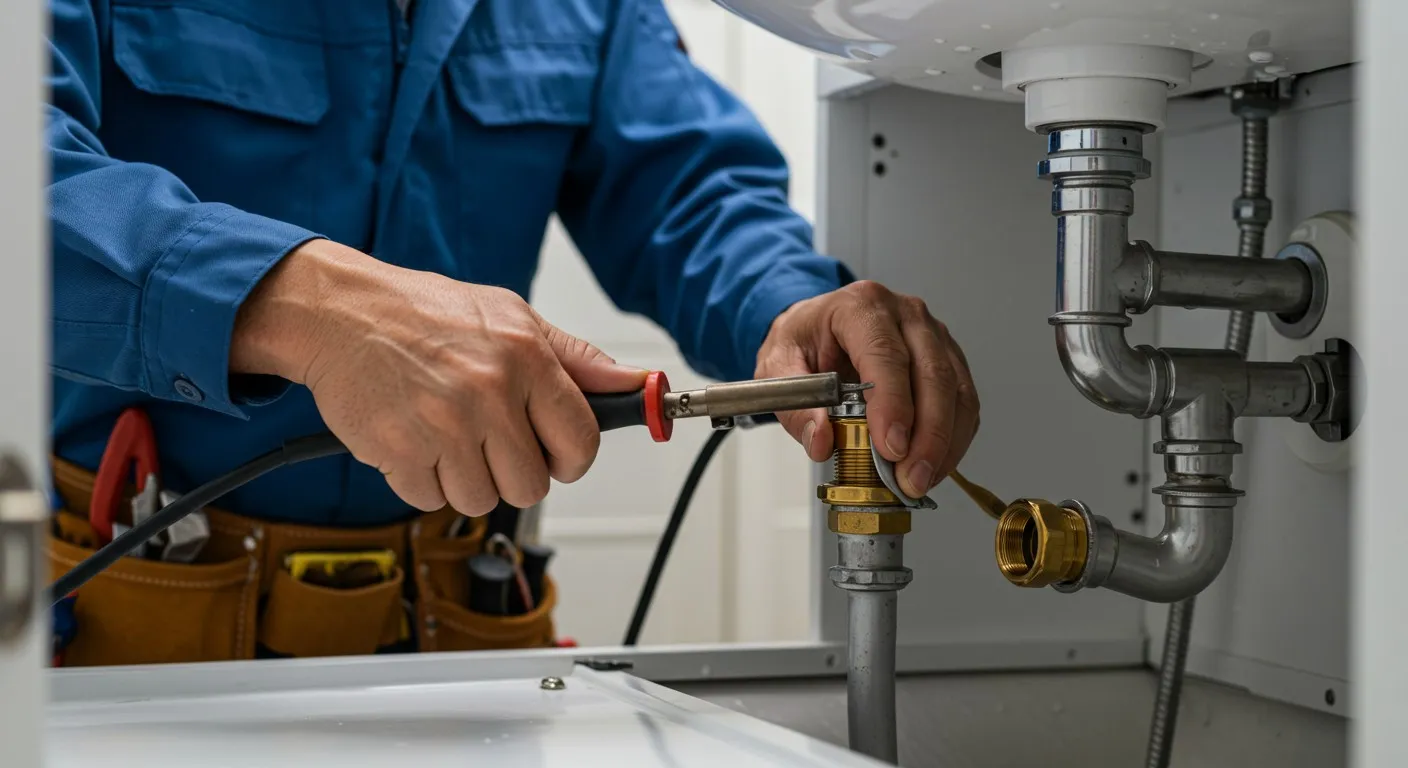
When a leak, slow drain, or water heater failure interrupts daily life, you need clear answers and reliable fixes. Plumbing Repair in Canton, GA focuses on rapidly diagnosing problems common to North Georgia homes and delivering durable repairs that address root causes — not just symptoms. Whether you own an older bungalow near downtown Canton or a newer subdivision home, understanding typical local plumbing issues, diagnostic methods like camera inspections, realistic timelines, and warranty expectations helps you make an informed decision at the final stage of the buying process.
Common plumbing repair issues in Canton, GA
Homeowners in Canton frequently encounter these problems, many influenced by the local climate, soil, and plumbing materials used in the area.
- Leak detection and repair
Small slab, wall, or underground leaks can cause big damage over time. Hidden leaks often show up as higher water bills, damp spots, or reduced water pressure. - Burst pipe fixes
Pipes may burst from age, corrosion, pressure surges, or occasional cold snaps. Burst pipes cause immediate flooding and require prompt, structural repairs. - Faucet and toilet repairs
Drips, running toilets, and loose fixtures are common and typically repairable without full replacements. Replacing worn seals, cartridges, or flappers restores performance and conserves water. - Sewer and drain repair
Slow drains, recurring backups, and sewer odors often indicate root intrusion, broken clay or cast-iron lines, or grease build-up. Canton’s tree-lined yards raise the likelihood of root-related sewer damage. - Water heater troubleshooting and repair
Sediment buildup, heating element failure, or pilot/ignition problems reduce hot water supply. Hard water in many parts of Georgia accelerates scale accumulation in tanks and tankless systems. - Camera inspections and diagnostic troubleshooting
Inspecting sewer lines and hidden pipes with a camera pinpoints blockages, cracks, and joint separations without unnecessary digging.
How we diagnose plumbing problems
Accurate diagnosis avoids unnecessary repairs and keeps costs predictable. The diagnostic process typically follows these steps:
- Visual inspection of fixtures, exposed piping, and appliances to identify obvious signs of damage or corrosion.
- Water meter and pressure checks to detect hidden leaks and abnormal pressure patterns.
- Electronic leak detection using acoustic sensors and thermal imaging for slab, wall, or underground leaks.
- CCTV camera inspection of sewer and storm lines to locate root intrusion, breaks, offset joints, or collapse.
- Gas leak detection where applicable, using approved gas sniffers and pressure tests.
These tools let technicians recommend targeted repairs rather than guesswork, reducing downtime and repeat visits.
Typical repair solutions explained
Below are common fixes and why they’re recommended.
- Pinpointed leak repairs
After locating a leak, repairs range from replacing a short section of pipe to rerouting lines. For slab leaks, options include spot repair or rerouting to protect floors and foundation. - Pipe replacement and freeze protection
Older galvanized or corroded pipes are often replaced with modern materials for reliability. In areas prone to occasional freezes, insulating exposed lines and using approved materials reduces risk of future bursts. - Faucet and toilet rebuild or replacement
Replacing cartridges, seals, and valves often restores function. When parts are obsolete or fixtures are inefficient, a full replacement may be recommended for long-term savings. - Sewer line repair and replacement
Small root intrusions can be cleared with mechanical augers or hydro-jetting. Repeated issues usually require trenchless repair methods such as pipe lining or sectional pipe replacement to restore structural integrity without extensive excavation. - Water heater repairs and maintenance
Common repairs include replacing heating elements, thermostats, or sacrificial anode rods, and flushing tanks to remove sediment. In hard water areas, installing a water softening strategy can extend heater life. - Camera-guided targeted repairs
Camera inspections direct precise repairs: cutting out a localized failed section, applying a cured-in-place lining, or scheduling full replacement when collapse is imminent.
Expected repair timelines
Repair times vary by issue severity and access. Typical timeframes you can expect for common repairs:
- Minor faucet or toilet repairs: 1 to 3 hours.
- Leak detection (diagnosis): 1 to 4 hours depending on complexity.
- Minor pipe repairs or section replacements: half day to one day.
- Water heater repairs: 1 to 3 hours; full replacement may take 3 to 6 hours.
- Hydro-jetting or drain clearing: 2 to 6 hours depending on blockage.
- Trenchless sewer lining or sectional replacement: 1 to 2 days.
- Full sewer replacement with excavation: 2 to 5 days depending on length and permitting.
These timelines assume typical access and no unexpected structural complications. Weather, permitting, and the need for specialty parts can extend schedules.
Warranty and guarantee information
Transparent warranty coverage protects your investment and signals workmanship confidence.
- Parts manufacturer warranties: Many replacement parts and appliances include manufacturer-backed warranties that vary by component and brand.
- Labor warranty: Professional plumbing repairs commonly include a stated labor warranty covering workmanship for a defined period. Confirm the length and what is covered (e.g., rework due to installation error).
- Service guarantees: Look for repairs that document the work performed and specify warranty procedures in writing. A reliable repair includes follow-up guidance and a clear process for warranty claims.
Keep records of invoices, part numbers, and inspection reports to support any future warranty work.
Maintenance tips and local considerations for Canton homes
Proactive maintenance reduces emergency repairs and extends system life:
- Insulate exposed pipes in attics and exterior walls before winter to reduce freeze risk during occasional cold snaps.
- Address tree roots near sewer lines by trimming and choosing root-resistant landscaping when possible.
- Flush and inspect water heaters annually to remove sediment, especially in hard water areas.
- Avoid putting grease, coffee grounds, and fibrous foods down drains to prevent clogs and reduce sewer line strain.
- Schedule periodic camera inspections for older properties or recurring drain issues to catch problems early.
Timely, precise plumbing repair in Canton, GA prevents property damage, preserves resale value, and reduces monthly utility waste. With modern diagnostic tools and proven repair methods suited to local conditions — from root-prone sewer lines to hard water challenges — homeowners can expect practical solutions that last.
Customer
Testimonials


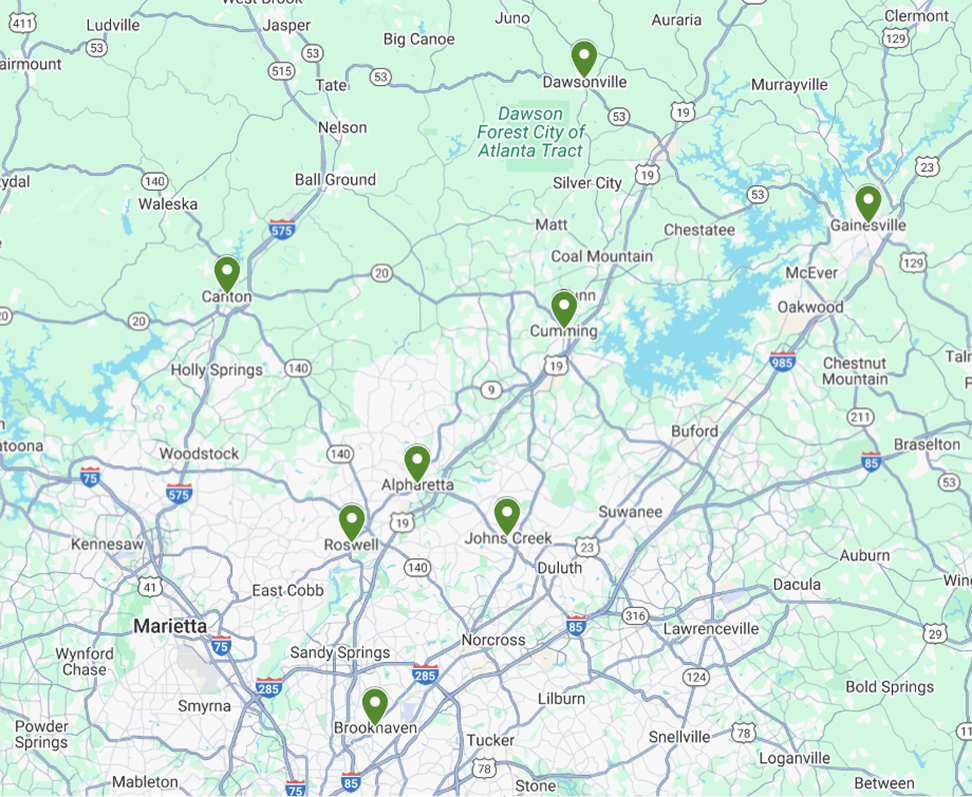
Service Areas