

Mini-split Installation in Brookhaven, GA
.webp)
Professional Mini Split installation in Brookhaven, GA ensures properly sized, code-compliant ductless systems for efficient, year-round comfort. The process covers site assessment, equipment selection, step-by-step installation, electrical hookup, system startup, testing, and commissioning. Services address local challenges, minimize disruption in older homes, and include guidance on permits, warranties, post-installation maintenance, and available rebates or financing. Homeowners receive practical, reliable solutions for long-term heating and cooling efficiency.
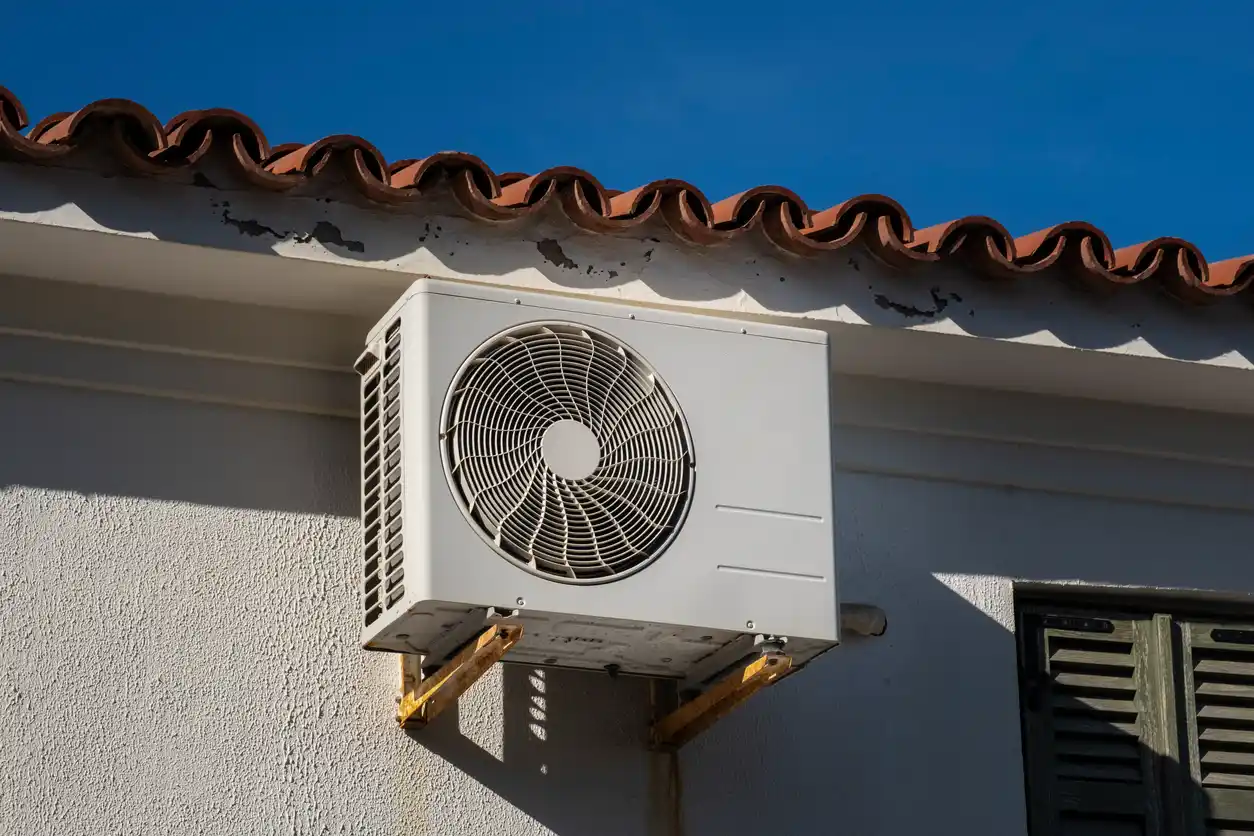
Mini-split Installation in Brookhaven, GA
Installing a properly sized and professionally installed Mini Split is one of the most effective ways to cut energy costs and improve year-round comfort in Brookhaven, GA homes. With hot, humid summers and mild winters, Brookhaven residents benefit most from high-efficiency ductless heat pump systems that provide precise cooling, quiet operation, and targeted heating. This page explains the complete Mini Split installation process, common local issues, technical and code considerations for DeKalb County, warranty expectations, and financing and rebate opportunities to help you make an informed decision.
Why a mini-split is a good fit for Brookhaven, GA homes
- Brookhaven summers are long and humid, so high-efficiency cooling with inverter-driven compressors and variable-speed fans reduces runtime and humidity.
- Many Brookhaven houses are older or have limited or inefficient ductwork, making ductless Mini Splits an efficient retrofit option with minimal disruption.
- Multizone Mini Splits let you condition only occupied rooms, ideal for split households, home offices, and additions common in Brookhaven neighborhoods.
- Modern Mini Splits provide both heating and cooling, extending seasonal comfort without reliance on separate systems.
Common mini-split issues in Brookhaven, GA
- Undersized systems that run continuously during Atlanta-area heat waves, increasing energy use and shortening equipment life.
- Improper refrigerant charge after long refrigerant runs or retrofit installations.
- Noise or vibration complaints from outdoor units placed near bedroom windows or property lines.
- Permit, placement, or HOA conflicts in established Brookhaven neighborhoods and historic districts.
- Electrical panels that lack dedicated circuits or space for new breakers, especially in older homes.
Types of mini-split installations
- Single-zone wall-mounted systems for bedrooms, home offices, or small living spaces.
- Multi-zone systems with multiple indoor heads served by one outdoor unit for whole-house solutions without ducts.
- Concealed or ducted mini-duct systems when aesthetics demand hidden indoor units.
- Ceiling cassette or floor-mounted options for rooms with limited wall space.
Professional installation process (step-by-step)
- Home assessment and load calculations
- A thorough on-site evaluation includes room dimensions, insulation levels, window exposures, occupancy patterns, and existing HVAC equipment.
- Accurate load calculations (Manual J or equivalent) determine correct capacity. Proper sizing prevents short cycling and humidity problems common during Brookhaven summers.
- Unit selection and energy-efficiency considerations
- Choose inverter-driven mini heat pump models with high SEER2 and HSPF2 ratings for the best seasonal performance in the Atlanta climate.
- Consider multi-zone configurations for open-plan Brookhaven homes and models with dehumidification modes for humid months.
- Evaluate manufacturer warranties, noise ratings, and compatibility with smart thermostats or home automation if desired.
- Permitting and site planning
- Professional installers obtain necessary permits and ensure compliance with DeKalb County building and electrical codes.
- Site planning balances efficient refrigerant line routing, outdoor unit airflow clearance, noise mitigation, and HOA or neighborhood aesthetic rules.
- Site preparation and mounting
- Installers mount indoor units on structurally sound walls or choose concealed options when preferred.
- Outdoor units are placed on pads, brackets, or vibration-isolating mounts in locations that minimize noise impact on neighbors and avoid direct sun exposure when possible.
- Refrigerant line installation and electrical hookups
- Refrigerant line sets are routed with proper slope and insulation to avoid oil traps and minimize heat gain.
- A dedicated electrical circuit, appropriately sized disconnect, and grounding are installed to meet local code requirements.
- All work follows National Electrical Code and local amendments enforced by DeKalb County inspectors.
- Refrigerant evacuation, charging, and leak testing
- Technicians perform a full vacuum to remove moisture and non-condensables, followed by a precise refrigerant charge per manufacturer specifications, taking line length into account.
- Pressure and leak tests ensure system integrity and long-term reliability.
- System startup, calibration, and testing
- Technicians verify airflow, temperature split, defrost operation, and quiet running at different load conditions.
- Controls and thermostats are calibrated, and multi-zone balancing is confirmed.
- Homeowner walkthrough and documentation
- The installation process concludes with a system walkthrough covering operation, maintenance tips, warranty paperwork, and necessary label locations for future service.
Code compliance and local considerations
- Permits and inspections through DeKalb County are typically required for new mini-split installations; professional installers handle permit submissions and inspections to ensure compliance.
- Electrical upgrades or panel changes that may be necessary are coordinated to meet local code and safety standards.
- In Brookhaven, pay attention to HOA guidelines and historic district review boards when mounting outdoor equipment on visible facades or in front yards.
Warranties, post-installation testing, and long-term reliability
- Manufacturer warranties vary by brand and component; many offer multi-year parts coverage and extended compressor warranties on qualified models.
- Professional installers commonly provide a separate labor or workmanship warranty covering installation-related issues for a stated period.
- Post-installation testing includes pressure checks, vacuum integrity, refrigerant verification, electrical safety checks, and operational performance validation. Keep printed warranty paperwork and system specifications for future claims.
Financing and rebates relevant to Brookhaven residents
- Federal and state incentives for energy-efficient heat pumps and electrification projects may be available and can reduce upfront costs.
- Local utility rebates or efficiency programs sometimes apply to qualifying equipment and installations; homeowners should verify current offerings through utility providers and state energy offices.
- Many installers or financing partners offer options to spread payments over time to match savings from improved efficiency.
Maintenance tips to protect your investment
- Clean or replace indoor filters monthly to maintain airflow and indoor air quality during peak cooling months.
- Keep outdoor units clear of debris, shrubs, and obstruction and maintain recommended clearances to ensure proper airflow.
- Schedule professional inspections annually to check refrigerant charge, electrical connections, and system performance before the hottest months in Brookhaven.
- Address unusual sounds, persistent humidity issues, or uneven temperatures promptly to avoid more expensive repairs.
Mini Split installation in Brookhaven, GA provides a tailored solution for local climate demands, home styles, and energy goals. Proper assessment, correct sizing, code-compliant electrical work, and meticulous refrigerant handling are the keys to long-term comfort, efficiency, and reliability in Brookhaven homes.
Customer
Testimonials


Service Areas