
HVAC Repair in Brookhaven, GA
.webp)
HVAC repair services in Brookhaven, GA emphasize rapid-response diagnostics, transparent timelines, and dependable parts replacement to restore comfort quickly. The guide explains common Brookhaven issues, from compressor failures to refrigerant leaks, and outlines a structured diagnostic approach, with safety checks and targeted tests. It covers typical repair solutions, warranties, and cost factors, plus preventive maintenance tips to reduce future breakdowns. Timely, professional service helps homeowners minimize downtime, maximize efficiency, and protect investments in changing Georgia weather.
HVAC Repair in Brookhaven, GA
Keeping your heating and cooling system reliable is a top priority for Brookhaven homeowners. With hot, humid summers and occasional cold snaps in winter, a malfunctioning HVAC system can quickly become uncomfortable and costly. This page explains how professional HVAC repair in Brookhaven, GA handles rapid-response and emergency repairs, common failure modes and diagnostic steps, parts replacement and warranties, realistic timelines and cost factors, and practical tips to avoid future breakdowns.
Why rapid-response HVAC repair matters in Brookhaven
Brookhaven experiences high humidity and heat from late spring through early fall. That puts extra strain on air conditioners and heat pumps, increasing the likelihood of failures during peak demand. Rapid-response HVAC repair services prioritize fast diagnostics and emergency fixes so your home regains comfort quickly and to prevent secondary damage like moisture buildup, mold risk, or frozen pipes in colder months.
Most common HVAC repair issues in Brookhaven
Common HVAC repair issues in Brookhaven reflect the local climate and typical home construction:
- Compressor or condenser failures - Overuse in hot weather, dirty coils, or electrical problems can cause outdoor unit failures.
- Refrigerant leaks - Low refrigerant reduces cooling capacity and increases run times, leading to higher energy bills and component wear.
- Capacitor and contactor failures - These electrical parts wear out from frequent cycles and storms or voltage fluctuations.
- Thermostat and control problems - Poor calibration, dead batteries, or communication errors lead to uneven temperatures.
- Drain line clogs and condensate overflow - High humidity increases condensate; clogged drains cause water damage and system shutoffs.
- Frozen evaporator coils - Restricted airflow from dirty filters or blower issues can freeze coils and stop cooling.
- Blower motor and fan issues - Worn bearings or imbalanced fans reduce airflow and comfort.
- Duct leaks and insulation problems - Leaky ducts waste conditioned air and make systems work harder, common in older Brookhaven homes.
Diagnostic approach - what to expect
Effective repair starts with a structured diagnostic process designed to identify root causes rather than treating symptoms:
- Interview and symptom review - Technicians ask about noise, smells, when the problem began, and any recent weather events.
- Visual inspection - Check outdoor unit, indoor air handler, wiring, filters, refrigerant lines, and condensate lines for obvious issues.
- System performance testing - Measure temperature differentials across coils, airflow, and refrigerant pressures. Electrical diagnostics check capacitors, contactors, fuses, and wiring.
- Targeted tests - Use leak detectors, amp meters, and refrigerant gauges to confirm suspected issues like leaks or motor weakness.
- Safety checks - Verify proper airflow and ensure safety switches and condensate overflow sensors are functioning.
This method reduces unnecessary parts replacement and provides a clearer scope for repair.
Repair solutions, parts replacement, and warranties
Repairs commonly include component replacement or system adjustments. Typical parts replaced are capacitors, contactors, blower motors, compressors, control boards, thermostats, and refrigerant. Quality repair practices include:
- Using manufacturer-equivalent parts sized for your system.
- Cleaning coils and replacing filters to restore efficiency.
- Testing system performance after repair to confirm stable operation.
Workmanship and parts warranties are important for peace of mind. Standard practices you should expect:
- Parts warranties - Manufacturer parts often carry 1 to 10 year warranties depending on the component. Compressor warranties on newer systems may extend longer.
- Workmanship warranties - Reputable repair services provide a workmanship warranty, typically 30 to 365 days, covering defects in the repair work itself.
- Warranty documentation - Always obtain written details of what’s covered, duration, and any conditions like required maintenance records.
Understanding warranty terms helps protect your investment and clarifies responsibilities if the same issue recurs.
Expected repair timelines and cost factors
Timelines depend on the problem and part availability:
- Minor repairs - Replacing capacitors, contactors, filters, or thermostats: often completed the same day or within 24 hours.
- Moderate repairs - Refrigerant recharge, blower motor replacement, or control board replacement: typically 1 to 2 days including diagnosis and testing.
- Major repairs - Compressor replacement, major refrigerant leak repair, or significant ductwork fixes: could take several days depending on parts and access.
Cost drivers include the age and type of equipment, part complexity, refrigerant type, accessibility of the unit, and whether multiple components failed. While exact figures vary, transparent repair estimates should explain labor, parts, and any diagnostic fees, and note if repairs are cost-effective versus replacement for older systems.
Tips to avoid future breakdowns in Brookhaven homes
Preventive actions reduce emergency repairs and extend equipment life:
- Regular maintenance - Schedule seasonal tune-ups before summer and winter to clean coils, check refrigerant, test electrical components, and calibrate controls.
- Change air filters - Replace filters every 1 to 3 months depending on usage and indoor air quality. High pollen season in Brookhaven may require more frequent changes.
- Keep outdoor units clear - Trim plants and remove debris around condensers to maintain airflow and prevent overheating.
- Monitor thermostats and settings - Programmable or smart thermostats reduce unnecessary cycling and stress on equipment when properly configured.
- Address airflow issues - Keep vents unobstructed, and consider sealing or insulating ducts in older homes where leaks are common.
- Watch for early warning signs - Unusual noises, higher energy bills, water leaks, or inconsistent temperatures signal the need for prompt attention.
Closing overview - benefits of timely HVAC repair
Timely HVAC repair in Brookhaven, GA restores comfort, prevents more expensive damage, and improves energy efficiency. Rapid-response and emergency repair services minimize downtime during heat waves or cold snaps. Clear diagnostics, professional parts replacement with documented warranties, and practical maintenance steps help Brookhaven homeowners maximize system life and performance. Regular attention and informed repair decisions will keep your home comfortable year-round with fewer unexpected breakdowns.
Customer
Testimonials


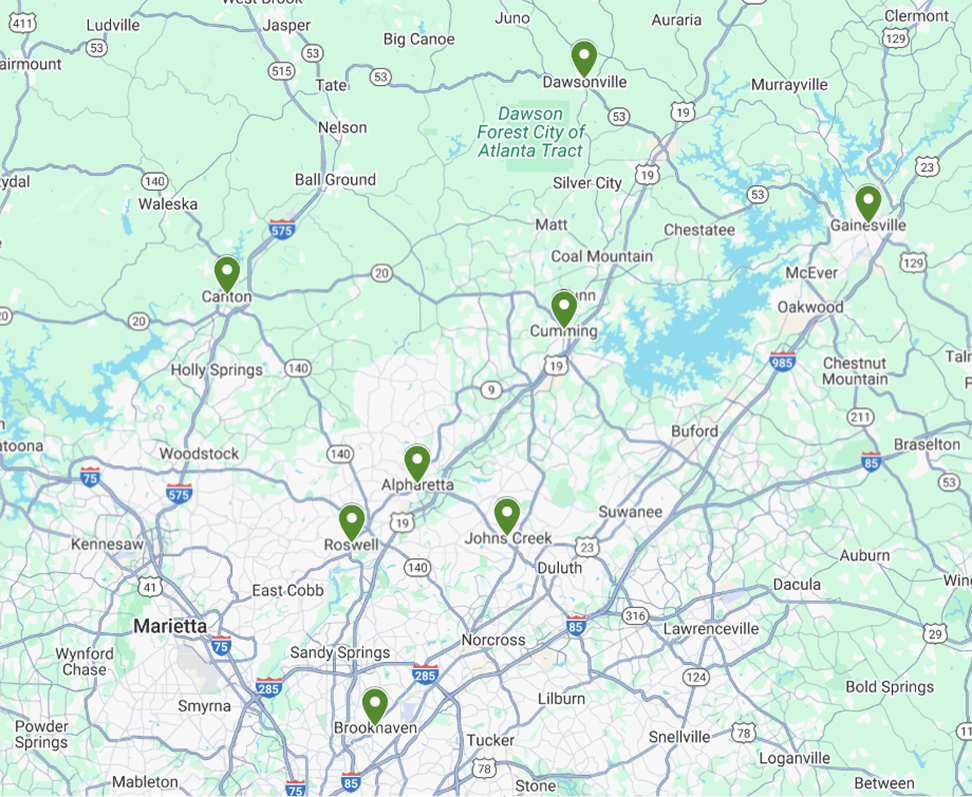
Service Areas