

HVAC Installation in Canton, GA
.webp)
HVAC installation in Canton, GA outlines a full-service approach to installing and upgrading home heating and air systems. The guide explains why proper sizing and whole-home design matter for comfort, humidity control, and energy efficiency, and details steps from professional load assessments and equipment selection to permits, ductwork adjustments, and commissioning. It covers energy-efficient options, zoning and smart thermostats, warranty handoffs, and ongoing maintenance. A transparent timeline, financing options, and rebates help homeowners plan a reliable, long-term system that performs in Canton's climate.
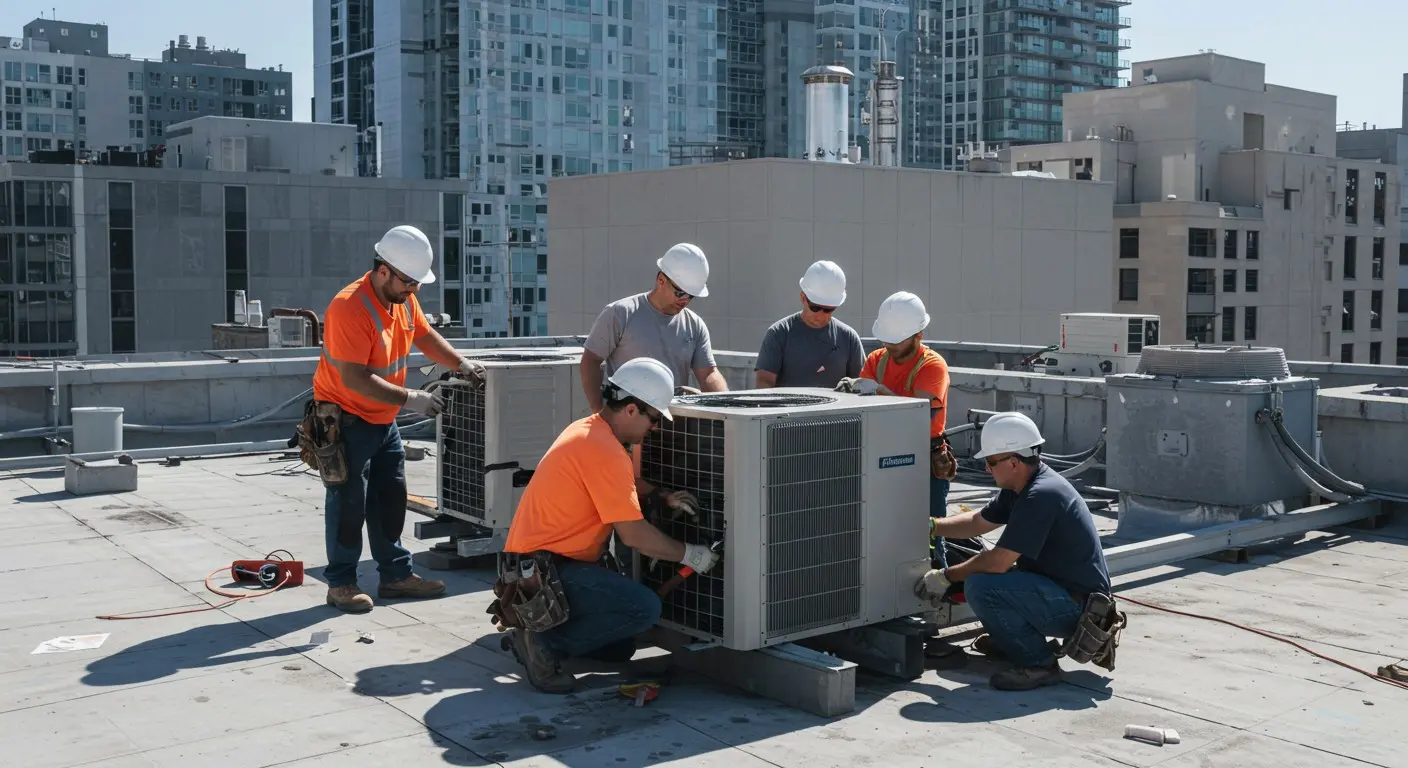
HVAC Installation in Canton, GA
Replacing or installing a new heating, ventilation, and air conditioning system is one of the most impactful upgrades you can make for comfort, indoor air quality, and energy costs in Canton, GA. With hot, humid summers and occasional cold snaps, Canton homes need correctly sized, energy-efficient systems to maintain consistent comfort without excessive utility bills. This page outlines the full HVAC installation process so you know what to expect: from the initial load assessment and equipment selection through permits, installation, testing, and the handoff of warranties and maintenance information.
Why a proper HVAC installation matters in Canton, GA
Improperly sized or poorly installed equipment leads to short cycling, uneven temperatures, high humidity, higher energy use, and premature system failure. In Canton, where humidity control is as important as cooling capacity, a correctly designed system prevents mold risk, reduces strain on the compressor, and prolongs equipment life. A professional installation focuses on the whole-home solution, not just the unit, to deliver reliable comfort year round.
Common HVAC installation needs and issues in Canton homes
- Homes with undersized systems that struggle during July and August peak heat
- Older homes without adequate ductwork or with leaky ducts that reduce efficiency
- Replacements after chronic refrigerant leaks, compressor failure, or frequent repairs
- Upgrades to energy-efficient systems to take advantage of local utility rebates and lower monthly costs
- Adding zoning, humidification, or air filtration to address specific comfort or indoor air quality concerns
Home load assessment and accurate sizing
A reliable installation begins with a professional load assessment, not rule-of-thumb sizing. The process typically includes:
- A room-by-room heat gain and heat loss calculation that considers square footage, insulation levels, attic ventilation, window orientation and type, and local climate data
- Evaluation of existing ductwork, airflow, and register placement
- Consideration of household occupancy, internal heat sources, and comfort preferences
This assessment produces a recommended system capacity in tons and a specification for airflow (CFM) to ensure balanced temperatures and proper humidity control in Canton’s humid climate. Oversized equipment can short cycle and fail to dehumidify; undersized equipment will run constantly and struggle on hot days.
Selecting energy-efficient equipment
When choosing new equipment, prioritize systems with high Seasonal Energy Efficiency Ratio (SEER) ratings for air conditioners and high Annual Fuel Utilization Efficiency (AFUE) for gas furnaces. In Canton, energy-efficient systems:
- Reduce cooling costs during long, hot summers
- Improve humidity control by running longer cycles at lower capacity
- Often qualify for manufacturer warranties and local or federal rebates
Consider complementary upgrades like high-efficiency air handlers, variable-speed compressors, two-stage systems, and smart thermostats that optimize runtime and comfort. Proper refrigerant type and correct charge are essential for performance and longevity.
Professional installation steps
A professional installation follows a structured workflow to ensure code compliance and performance:
- Pre-install inspection and measurement to confirm access, clearances, and electrical capacity
- Removal and safe disposal of the old system, including refrigerant recovery per regulations
- Preparation or replacement of condensate drainage, electrical disconnects, and mounting pads or rooftop curbs if needed
- Duct modifications, sealing, and balancing to achieve the targeted airflow
- Precise equipment installation: refrigerant charging, electrical connections, and control wiring
- Insulation of refrigerant lines and sealing of all mechanical penetrations
Technicians will document serial numbers, model numbers, and installation specifics for warranty registration and future service.
Permit and code compliance in Canton
Proper permitting and adherence to local building codes protect the homeowner and ensure the installation meets safety and performance standards. Typical permit-related steps include:
- Submitting equipment specifications and installation plans to the local permitting authority
- Scheduling inspections for mechanical, electrical, and, if applicable, gas line work
- Ensuring refrigerant handling complies with environmental regulations
A compliant installation reduces liability, preserves home value, and is often required for warranty validation.
Timeline you can expect
Most residential installations follow this general timeline:
- Initial assessment and estimate: 1 to 3 days for scheduling and reporting
- Permit approval: varies by jurisdiction but commonly 3 to 10 business days
- Installation day(s): a straightforward system swap for a typical single-family home often takes 1 to 2 days; systems requiring duct replacement, gas line work, or rooftop access can take 2 to 4 days
- Final inspections and commissioning: typically completed within a week of installation, depending on inspector availability
Factors such as equipment lead times, custom ductwork, or structural access issues can extend the schedule.
Post-install testing and commissioning
Commissioning verifies the system performs as designed. Key steps include:
- Measuring and adjusting airflow at each register to meet design CFM
- Verifying refrigerant charge, superheat/subcooling, and electrical loads
- Testing thermostat calibration and control logic, including any zoning systems
- Checking condensate drainage and safety controls
- Monitoring system operation through a full cooling or heating cycle to confirm temperature and humidity control
Technicians should provide a commissioning report that documents performance metrics and any adjustments made.
Warranty, documentation, and maintenance handoff
A complete installation includes documentation and orientation:
- Manufacturer warranty information and registration details
- Clear instructions for filter replacement, thermostat settings, and basic maintenance
- Recommended maintenance schedule for seasonal tune-ups
- A summary of installed components and the commissioning report for future reference
Regular preventive maintenance—typically twice a year—keeps warranties valid and preserves efficiency in Canton’s demanding summer conditions.
Financing, rebates, and efficiency incentives
Many homeowners offset installation costs through financing options and energy rebates. Common avenues include:
- Manufacturer or dealer financing plans structured for HVAC projects
- Utility rebates for high-efficiency equipment or qualifying upgrades like variable-speed air handlers
- Federal or state tax incentives for energy-efficient systems when applicable
A knowledgeable installer will help identify available programs and provide the necessary documentation for rebate applications or financing approval.
Long-term benefits and maintenance tips
A properly sized and professionally installed HVAC system delivers:
- Improved comfort with consistent temperatures and better humidity control during Canton summers
- Lower energy bills and reduced environmental impact with modern, high-efficiency equipment
- Fewer repairs and longer equipment life when paired with routine maintenance
Practical maintenance tips for homeowners:
- Replace filters on the recommended schedule, more often during high-use months
- Keep outdoor condenser units clear of debris and vegetation
- Schedule professional tune-ups before peak cooling and heating seasons
- Monitor for unusual noises, cycling patterns, or spikes in energy use and address them early
A carefully executed HVAC installation in Canton, GA, sets the foundation for reliable comfort, better indoor air quality, and predictable energy costs. Approaching the project with thorough load calculations, proper equipment selection, code-compliant installation, and diligent commissioning ensures the new system meets both comfort needs and long-term performance expectations.
Customer
Testimonials


Service Areas