
Heating Tune-Up in Dawsonville, GA
.webp)
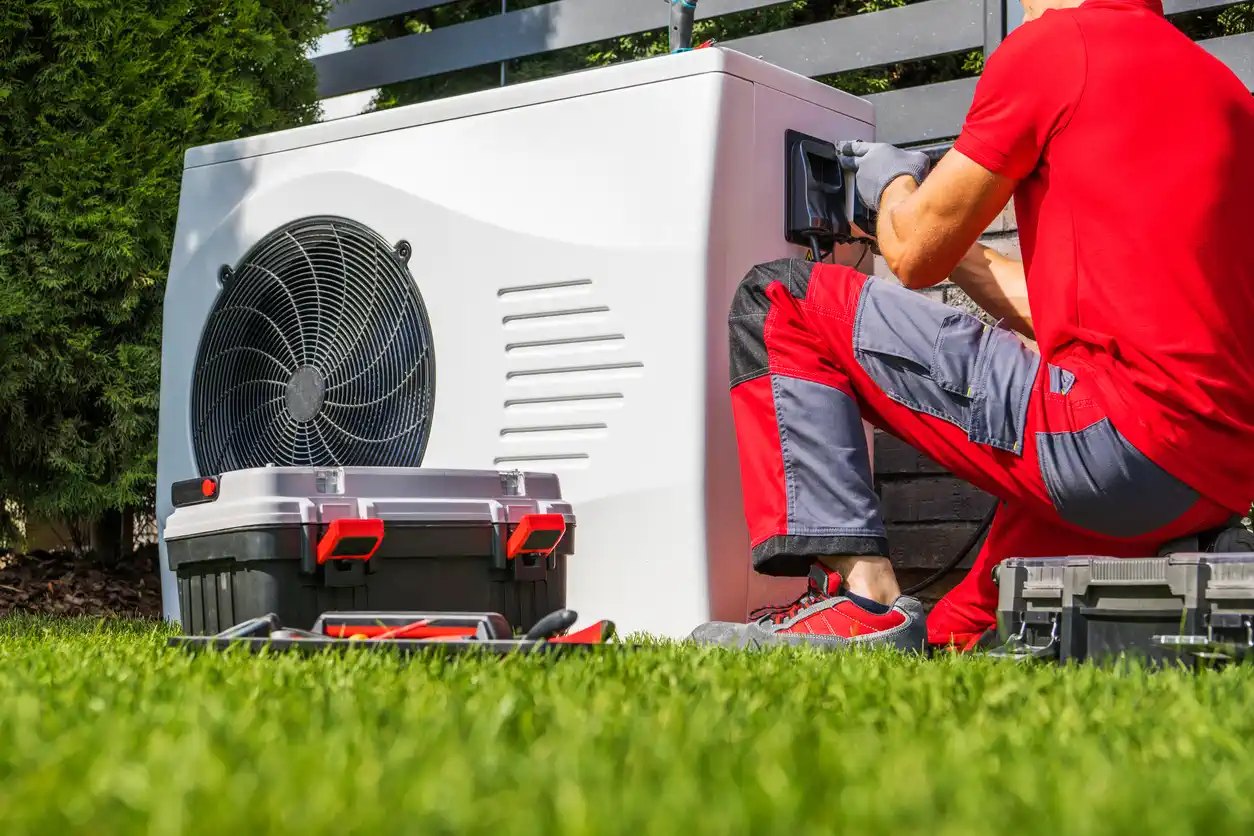
An annual heating tune-up in Dawsonville, GA provides a thorough inspection, cleaning, and safety check tailored to furnaces, heat pumps, ductless mini-splits, or packaged units. It helps reduce breakdowns, improve efficiency, and extend equipment life amid North Georgia winters. The service covers a detailed checklist—from blower and coil cleaning to refrigerant checks, venting, and safety tests—along with a written findings report and prioritized recommendations. Annual scheduling, with semi-annual visits for older systems or high pollen exposure, keeps homes safer and more comfortable.
Heating Tune-up in Dawsonville, GA
An annual heating tune-up in Dawsonville, GA is the single most effective preventative step you can take to keep your home warm, safe, and energy-efficient through cool North Georgia winters. A proper tune-up is more than swapping a filter; it is a systematic inspection, cleaning, adjustment, and safety check tailored to your system type (furnace, heat pump, ductless mini-split, or packaged unit). For Dawsonville homes—where temperature swings, humidity, pollen, and occasional freezing nights place extra strain on equipment—timely maintenance reduces breakdown risk, improves comfort, and helps extend the life of your heating system.
Why tune-ups matter in Dawsonville
- Dawsonville experiences humid summers and cool-to-cold winters with occasional freezes. Seasonal moisture, airborne pollen, and yard debris increase filter and coil loading, reducing airflow and efficiency.
- Many homes here use a mix of heat pumps and gas furnaces. Heat pumps, in particular, need pre-winter checks for refrigerant charge and defrost operation; gas furnaces require combustion and venting inspections for safety.
- Preventative maintenance identifies small problems before they become emergency repairs during the coldest nights.
Common heating tune-up issues in Dawsonville, GA
- Restricted airflow from dirty filters, coils, or ductwork causing uneven heating or short-cycling
- Weak burners, clogged pilot or dirty flame sensors on gas furnaces leading to ignition failures
- Low refrigerant or worn reversing valves on heat pumps causing poor heat output
- Corroded or loose electrical connections that create intermittent failures or safety risks
- Blocked condensate drains on high-efficiency furnaces and heat pumps causing water damage or shutdowns
- Worn blower motors, belts, or bearings producing noise and reduced performance
- Cracked heat exchangers or venting problems on combustion systems that present carbon monoxide risk
What a complete heating tune-up includes
A professional tune-up follows a standard, detailed checklist to optimize performance and confirm safety. Typical steps include:
- Visual inspection of the indoor and outdoor unit, including cabinet, access panels, and nearby clearances for debris or vegetation
- Replace or inspect air filter and recommend the correct type and MERV rating for your system and indoor air needs
- Clean blower assembly, blower motor, and evaporator/heat exchanger coils to restore airflow and heat transfer
- Inspect and clean burners, pilot assembly, and flame sensor; perform combustion analysis on gas systems to confirm proper fuel/air mix
- Check heat exchanger for cracks or rust (visual inspection and combustion performance where applicable)
- Verify proper ignition and safety device operation including limit switches, pressure switches, and rollout switches
- Test electrical components: capacitors, contactors, relays, and all electrical connections; tighten and secure as needed
- Measure airflow and static pressure; inspect ductwork for visible leaks, disconnected joints, and insulation issues that lower system efficiency
- Check thermostat accuracy and calibration; confirm proper cycling and setpoint responses
- Inspect refrigerant levels, valve operation, and reversing valve on heat pumps; test defrost cycle and reversing functions
- Lubricate motors and moving parts where applicable; replace worn belts and pulleys
- Clear condensate drains and inspect drain pans to prevent clogs and microbial growth
- Test system startup, steady-state operation, and shutoff; monitor for abnormal sounds, vibrations, or odors
- Carbon monoxide and venting safety checks for combustion appliances; verify proper flue draft and vent integrity
- Provide a written summary of findings, prioritized repairs or recommendations, and estimated remaining useful life guidance
How the tune-up process protects your home and budget
- Improved efficiency: Clean components and proper adjustments let your system deliver heat with less energy. That often translates into lower utility bills during the heating season.
- Fewer breakdowns: Identifying worn parts or failing components in advance prevents inconvenient emergency repairs on cold nights.
- Longer equipment life: Routine maintenance reduces wear on motors, compressors, and heat exchangers, postponing premature replacements.
- Safer operation: Combustion checks and CO testing reduce the risk of hazardous conditions associated with gas-fired equipment.
- Better comfort and indoor air: Proper airflow and clean coils mean more consistent temperatures and improved humidity control—important in Dawsonville’s variable climate.
Signs your heating system needs immediate attention
If you notice any of the following in your Dawsonville home, a tune-up or diagnostic service is warranted:
- Sudden spike in heating bills without changes in use
- Unusual odors (musty, metallic, or gas-like)
- Yellow or flickering pilot light on older gas furnaces
- Frequent cycling on and off (short-cycling)
- Rooms that never reach set temperature or uneven heating
- Loud banging, grinding, or squealing noises
- Visible water around indoor unit or outside near condensate lines
- Carbon monoxide alarm activation or symptoms like headaches and dizziness
Timing and frequency
- An annual heating tune-up before the heating season begins (late September through November in Dawsonville) is standard. This ensures your system is ready before sustained cold weather arrives.
- Homes with older equipment, heavy pollen/dust exposure, pets, or known duct issues may benefit from semi-annual checks—one focused on heating, another on cooling components.
Practical maintenance tips for homeowners in Dawsonville
- Change or check filters monthly during heavy use months and use filter types appropriate for your system to balance airflow and filtration.
- Keep outdoor units clear of leaves, grass, and mulch. In winter, remove snow and ice build-up away from the unit so coils and fans can operate properly.
- Seal gaps around doors, windows, and ductwork to reduce heat loss and lessen system load.
- Use a programmable or smart thermostat to reduce runtime while maintaining comfort.
- Keep vents and registers unobstructed and clean returns regularly to maintain proper airflow.
A professional heating tune-up in Dawsonville, GA provides a thorough, safety-focused assessment and service plan that maximizes system reliability and efficiency. Regular maintenance is the most effective way to protect your investment, maintain consistent home comfort in North Georgia weather, and avoid the disruption and expense of mid-winter failures.
Customer
Testimonials


Service Areas