
Heating Repair in Canton, GA
.webp)
Residents of Canton, GA, can expect fast, professional heating repair guided by our safety-first diagnostic process. We outline common Canton-specific issues—short cycling heat pumps, ignition failures, aging gas valves, and thermostat glitches—and explain our rapid-response troubleshooting from initial assessment through system start-up tests. We also cover typical repairs, parts-and-labor policies, realistic timelines, emergency call-outs, and preventive maintenance steps to protect your home from future breakdowns. Our goal at Energywise Home Service is to ensure reliable heat, efficiency, and predictable repair outcomes, keeping Canton comfortable year-round.
Heating Repair in Canton, GA
When your heating system fails in Canton, GA, fast, accurate repair restores comfort and prevents small problems from becoming costly replacements. Whether your home uses a gas furnace, heat pump, or electric furnace, this page explains what to expect from professional heating repair: rapid-response troubleshooting, a clear diagnostic process, the most common repairs (ignition systems, blowers, thermostats, gas valves, controls), typical parts and labor policies, realistic repair timelines, emergency call-out details, and straightforward preventative steps tailored to Canton homes.
Common heating problems in Canton homes
Canton’s mild but occasionally cold winters, humidity, and tree-lined neighborhoods create a set of common heating challenges:
- Heat pump short-cycling or loss of reverse valve performance after seasonal transitions. Heat pumps are common in North Georgia because of their efficiency in moderate winter temperatures.
- Ignition failures or delayed ignition on older gas furnaces after a period of disuse during fall.
- Blower motor wear, noisy bearings, or restricted airflow from dirty filters and ductwork clogged with spring/summer debris.
- Thermostat inaccuracy, poor calibration, or communication issues with smart/programmable thermostats.
- Gas valve sticking or failing on aging furnaces, often caused by corrosion or mechanical wear.
- Control board faults or failed safety switches triggered by power surges or moisture.
Recognizing symptoms early — unusual smells, repeated cycling, weak airflow, cold spots, or noisy starts — helps reduce emergency repairs during freezes.
Rapid-response troubleshooting and diagnostic process
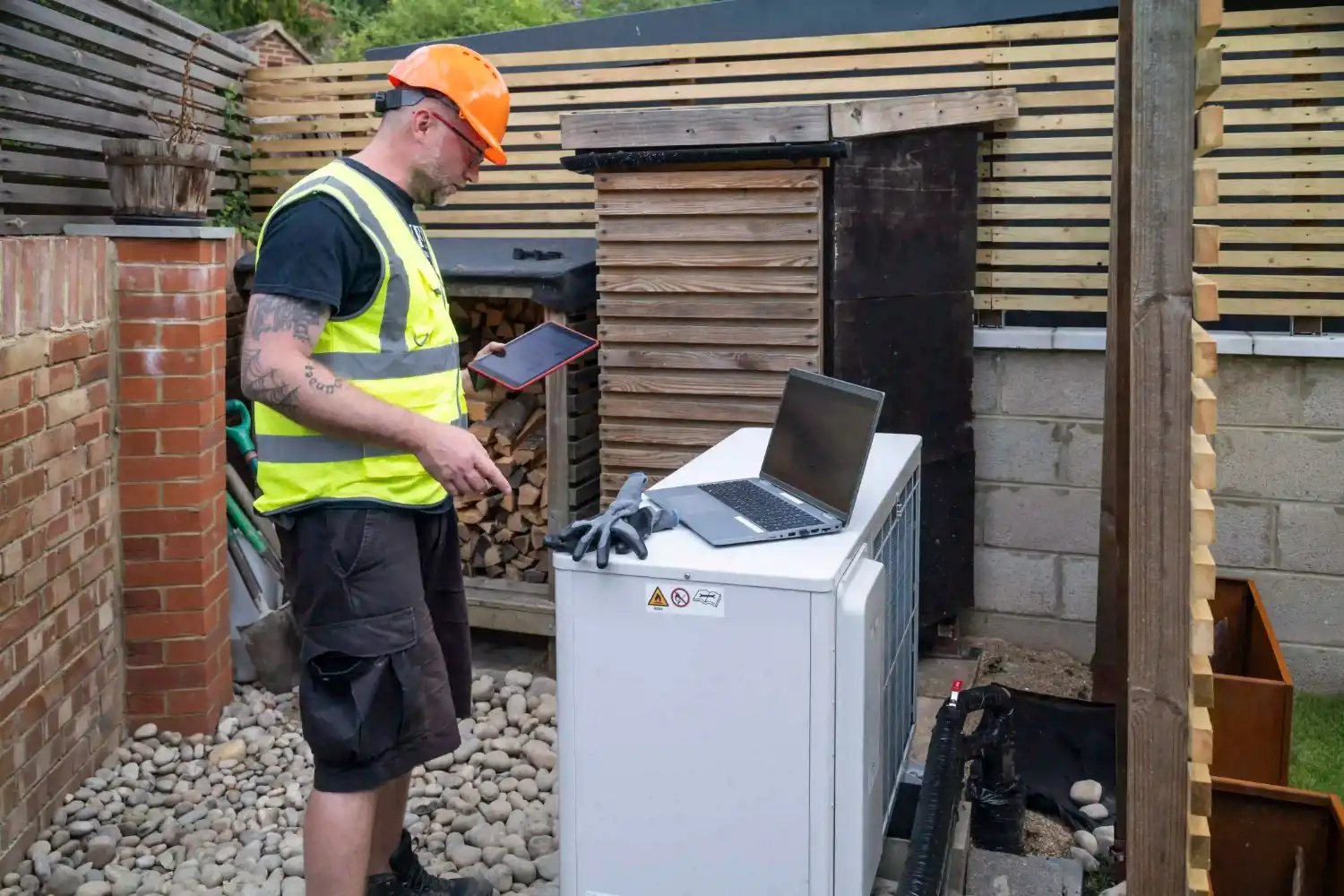
A professional heating repair technician follows a methodical, safety-first approach to identify the root cause quickly:
- Initial assessment: Verify homeowner concerns (no heat, intermittent operation, strange noises) and gather system history (age, prior repairs, recent power outages).
- Visual and safety checks: Inspect filters, vents, condensate and flame safety devices, and shutoffs. Confirm there are no gas leaks or electrical hazards before proceeding.
- System start-up and sequence testing: Observe ignition sequence, blower operation, heat exchanger and flame characteristics, and control board messages or error codes.
- Component-specific tests: Measure voltages, motor currents, thermostat readings, and gas pressure where applicable to isolate failing components.
- Diagnosis and estimate: Provide a prioritized list of required repairs with clear explanations of cause, recommended solution, and expected outcomes.
This structured diagnostic process reduces guesswork and limits unnecessary parts replacement.
Typical repairs explained
The most frequent repairs in Canton cover ignition systems, blowers, thermostats, gas valves, and controls. Here’s what each repair usually involves and why it matters:
- Ignition systems
- Symptoms: clicking without ignition, delayed ignition, pilot-related issues.
- Cause: faulty igniters, dirty burners, clogged orifices, or bad flame sensors.
- Repair: replace igniter or clean/adjust burners; test flame sensors and limit switches. Simple ignition fixes are often completed within 1–2 hours.
- Blower motors and assemblies
- Symptoms: weak airflow, grinding or rattling noises, or intermittent blower operation.
- Cause: worn bearings, dust buildup, capacitor failure, or obstruction in the blower wheel.
- Repair: clean the blower wheel, replace capacitors, or swap the motor and balance assembly. Repairs generally range from 1–4 hours depending on accessibility.
- Thermostats and controls
- Symptoms: incorrect temperature readouts, short-cycling, or non-responsive smart thermostats.
- Cause: poor wiring, calibration errors, software/configuration issues, or sensor faults.
- Repair: recalibrate, rewire, or replace the thermostat; verify communication with the furnace/heat pump. Thermostat fixes are typically completed in under an hour.
- Gas valves and gas trains
- Symptoms: no flame, weak flame, or safety lockouts.
- Cause: sticking valves, mechanical wear, or components failing to receive control signals.
- Repair: replace the gas valve or associated regulators and safety switches; always test for safe gas flow and combustion. These repairs may take 1–3 hours plus safety testing.
- Control boards and safety devices
- Symptoms: erratic behavior, error codes, or total non-start.
- Cause: moisture, electrical surges, or component fatigue.
- Repair: replace control board or failed sensors and ensure proper grounding and surge protection. Control board replacements vary by system complexity.
Parts and labor policies
Transparent parts and labor policies protect homeowners and set realistic expectations:
- Parts: Replacements typically use OEM or equivalent-quality parts. Manufacturer warranties apply to parts when available.
- Labor: Labor warranty lengths vary with repair type; industry standards commonly range from 30 days to 1 year depending on the repair complexity. Written documentation should outline the warranty period and what it covers.
- Estimates and authorization: A clear, itemized repair estimate before work begins helps avoid surprises. Emergency or after-hours repairs may have different scheduling terms.
- Follow-up: Post-repair checks and safety verification (combustion analysis for gas systems) are standard to ensure the system runs safely and efficiently.
Expected repair timelines and emergency call-outs
Typical timeframes for common repairs in Canton:
- Diagnostic visit: 30–90 minutes.
- Minor repairs (thermostat, capacitor, filter/cleaning): same-day, 30–120 minutes.
- Component replacement (blower motor, gas valve): 1–4 hours; some parts may require next-day delivery depending on inventory.
- Major system issues or control board replacements: may require additional troubleshooting and parts sourcing; allow 1–2 days for resolution in complex cases.
Emergency call-out expectations:
- During cold snaps or extreme weather, demand increases and lead times can lengthen. Emergency responses prioritize life-safety issues (no heat with infants, elderly, or medically vulnerable occupants) and situations with gas odor or carbon monoxide concerns.
- After-hours or weekend emergency service is commonly available through local HVAC providers, and homeowners should expect clear communication about response windows and any additional fees associated with off-hour service.
Preventative maintenance to avoid future breakdowns
Regular maintenance is the most effective way to reduce unexpected repairs in Canton homes:
- Change or clean filters every 1–3 months during heating season.
- Schedule an annual heating tune-up before the winter season to inspect ignition systems, gas trains, heat exchangers, and controls.
- Keep outdoor units and surrounding areas clear of leaves, debris, and overgrowth to maintain airflow and prevent moisture issues.
- Test carbon monoxide detectors and replace batteries regularly when using gas heating.
- Upgrade aging thermostats to programmable or smart models to optimize cycles and reduce wear.
Why timely heating repair matters in Canton, GA
Prompt, professional heating repair restores comfort, improves system efficiency, reduces energy bills, and eliminates safety risks like carbon monoxide exposure or gas leaks. In Canton’s climate, small issues left unchecked can escalate during sudden cold snaps or high-humidity conditions, shortening equipment life and increasing repair costs. A clear diagnostic process, quality parts, and documented labor policies protect your home and give predictable outcomes when repairs are needed.
For homeowners in Canton, GA, understanding the repair process, typical fixes, and sensible maintenance steps makes it easier to make informed decisions and keep your heating system reliable when you need it most.
Customer
Testimonials


Service Areas