
Air Conditioning Replacement in Johns Creek, GA
.webp)
Air conditioning replacement in Johns Creek, GA is discussed in detail, guiding homeowners through when replacement is warranted, how to evaluate existing systems, and which options best fit budget, climate, and ductwork. The page outlines energy savings and ROI expectations for various approaches, from like-for-like upgrades to heat pumps and ductless systems, plus removal, disposal, and installation logistics. It also covers rebates, financing, commissioning, warranties, and post-install testing to ensure reliable comfort and long-term performance.
Air Conditioning Replacement in Johns Creek, GA
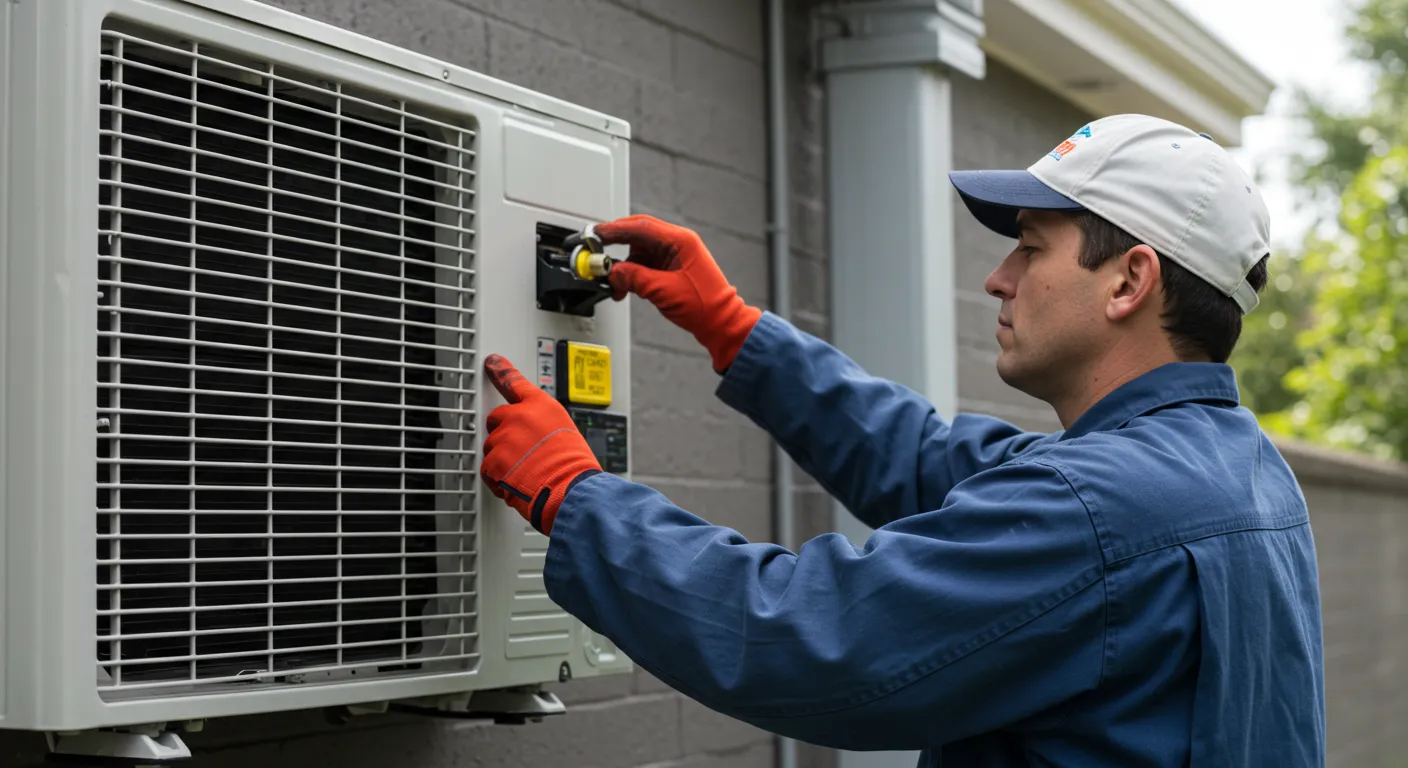
Replacing an air conditioning system is a significant decision for Johns Creek homeowners. Hot, humid Georgia summers, rising energy costs, and evolving refrigerant regulations mean older systems often underperform, cost more to run, and struggle to maintain comfortable indoor humidity. This page explains when to replace your AC, how systems are evaluated, replacement options, expected energy savings and return on investment, removal and disposal protocols, installation logistics, available rebates and financing, and post-replacement testing and guarantees — all tailored to homeowners in Johns Creek, GA.
When to consider AC replacement
Consider replacement when one or more of these apply:
- System age is 10 to 15 years or older. Most modern systems last about 15-20 years; advanced technology and higher-efficiency units are common now.
- Frequent or costly repairs. If repair bills approach 50% of a replacement estimate over a short period, replacement is usually the smarter option.
- Poor comfort: uneven cooling, high indoor humidity, and short cycling despite repairs.
- Declining efficiency: older units often have much lower SEER ratings than current models, raising monthly electric bills.
- Use of phased-out refrigerants such as R-22 (Freon). R-22 is being phased out, making repairs more expensive and less sustainable.
- Home upgrades or additions that change load requirements, or if ductwork is compromised and not worth repairing for an older unit.
Evaluation criteria for replacement
A professional assessment should include:
- Age and repair history: Review service records and estimate future repair frequency.
- Efficiency rating: Compare current SEER and EER to modern units. Higher SEER reduces energy use, especially in Johns Creek’s long cooling season.
- Load calculation: A Manual J load calculation assesses heat gain and proper system size. In Georgia’s humid climate, correct sizing is essential to control moisture.
- Ductwork condition: Leaky or poorly insulated ducts reduce efficiency and comfort. Sealing and insulation can be part of the replacement plan.
- Indoor air quality and humidity needs: Consider systems with better dehumidification and filtration if allergies or mold concerns exist.
- Refrigerant type and environmental risk: If the existing system uses R-22, replacement may be more cost-effective than sourcing limited refrigerant.
Comparison of replacement options
Common replacement approaches for Johns Creek homes:
- Like-for-like replacement (same type, same capacity): Quick solution when ducts and load remain appropriate. Best when system is relatively modern and in good condition.
- Upsizing efficiency (higher SEER split system): Replacing an older unit with a higher SEER split system reduces energy use, but must be sized properly to avoid short cycling and poor humidity control.
- Heat pump replacement: Modern heat pumps provide both efficient cooling and heating. They are a good choice for mild Georgia winters and reduce the need for separate heating systems.
- Packaged systems: Useful for homes without space for split systems. Consider duct design and access.
- Mini-split ductless systems: Effective for room additions, garages, or houses with minimal ductwork. They offer zoned control and excellent efficiency but change the look of the interior.
- Comprehensive system upgrade: Replacing the outdoor unit, indoor coil, and addressing ducts, thermostats, and insulation yields the best long-term performance.
Energy savings and ROI estimates
- Upgrading from a 10 SEER to a 16 SEER unit typically saves 25-35% on cooling energy, depending on home insulation, thermostat settings, and usage patterns.
- Heat pumps and high-efficiency systems can deliver similar or better savings, especially when paired with a programmable or smart thermostat.
- Typical payback periods vary: 5 to 12 years depending on usage, electric rates, local climate (Johns Creek’s long cooling season improves ROI), and the scale of the upgrade.
- Including duct sealing, attic insulation, or smart controls reduces wasted energy and shortens payback time.
Removal and disposal of old equipment
Proper disposal is both safe and required:
- Refrigerant must be recovered and handled according to EPA and state regulations. R-22 recovery requires certified recovery equipment and proper documentation.
- Metal and plastic components are recycled when possible. Compressors and refrigerant recovery are handled by licensed contractors.
- Old equipment containing asbestos or other hazardous materials must be handled under separate guidelines if present.
- Verify that disposal follows local Johns Creek and Georgia regulations to avoid environmental penalties.
Installation logistics and timeline
A typical replacement process includes:
- On-site assessment and load calculation.
- Selecting compatible equipment and sizing for both cooling and dehumidification needs.
- Scheduling permits if required by local jurisdictions.
- Removal of old equipment and site preparation.
- Installation of new outdoor unit, indoor coil or air handler, electrical connections, refrigerant lines, and thermostat.
- Ductwork repairs or sealing as needed.
- Startup and commissioning.
Most straight replacements are completed in 1 to 2 days. Comprehensive system upgrades that include ducts, insulation, or structural modifications may take longer. Coordinate timing to avoid peak summer heat for safety and comfort.
Available rebates and financing
Johns Creek homeowners may be eligible for multiple incentives:
- Utility rebates for high-efficiency systems or upgrades such as smart thermostats and duct sealing.
- Federal or state tax credits for qualifying energy-efficient equipment at certain times.
- Manufacturer rebates on select models during promotional periods.
- Financing and energy-efficient loan programs can spread the cost over time, often with competitive terms.
Availability and eligibility vary. Verify current program details and documentation requirements when planning replacement.
Post-replacement testing and guarantees
A thorough commissioning process ensures performance:
- Verification of correct refrigerant charge, airflow, and duct sealing.
- Electrical safety checks and thermostat calibration.
- Measurement of temperature split and humidity performance to confirm comfort goals.
- Written equipment warranties: parts and compressor warranties are common; labor warranties and workmanship guarantees vary.
- Recommended maintenance plans to preserve efficiency and extend equipment life, typically including seasonal tune-ups, filter changes, and performance checks.
ConclusionAir conditioning replacement in Johns Creek, GA is a strategic investment that improves comfort, reduces energy bills, and aligns your home with current refrigerant and efficiency standards. Evaluating system age, repair history, efficiency, and ductwork integrity will guide the best replacement option—whether a high-efficiency split system, heat pump, or ductless solution. Proper removal, professional installation, utilization of available rebates, and thorough post-install testing secure long-term performance and value for homeowners dealing with Georgia’s humid summers.
Customer
Testimonials


Service Areas