
Air Conditioning Replacement in Canton, GA
.webp)
This service page explains air conditioning replacement in Canton, GA, outlining when replacement is preferred and how professionals evaluate current systems. It covers upgrade options, efficiency comparisons, and the importance of matched components, thermostats, and optimal installation practices. The guide describes removal, refrigerant handling, disposal, and commissioning timelines, along with typical warranties. It also highlights rebates, financing, and maintenance tips to maximize performance, comfort, and savings after a new system is installed in Canton homes.
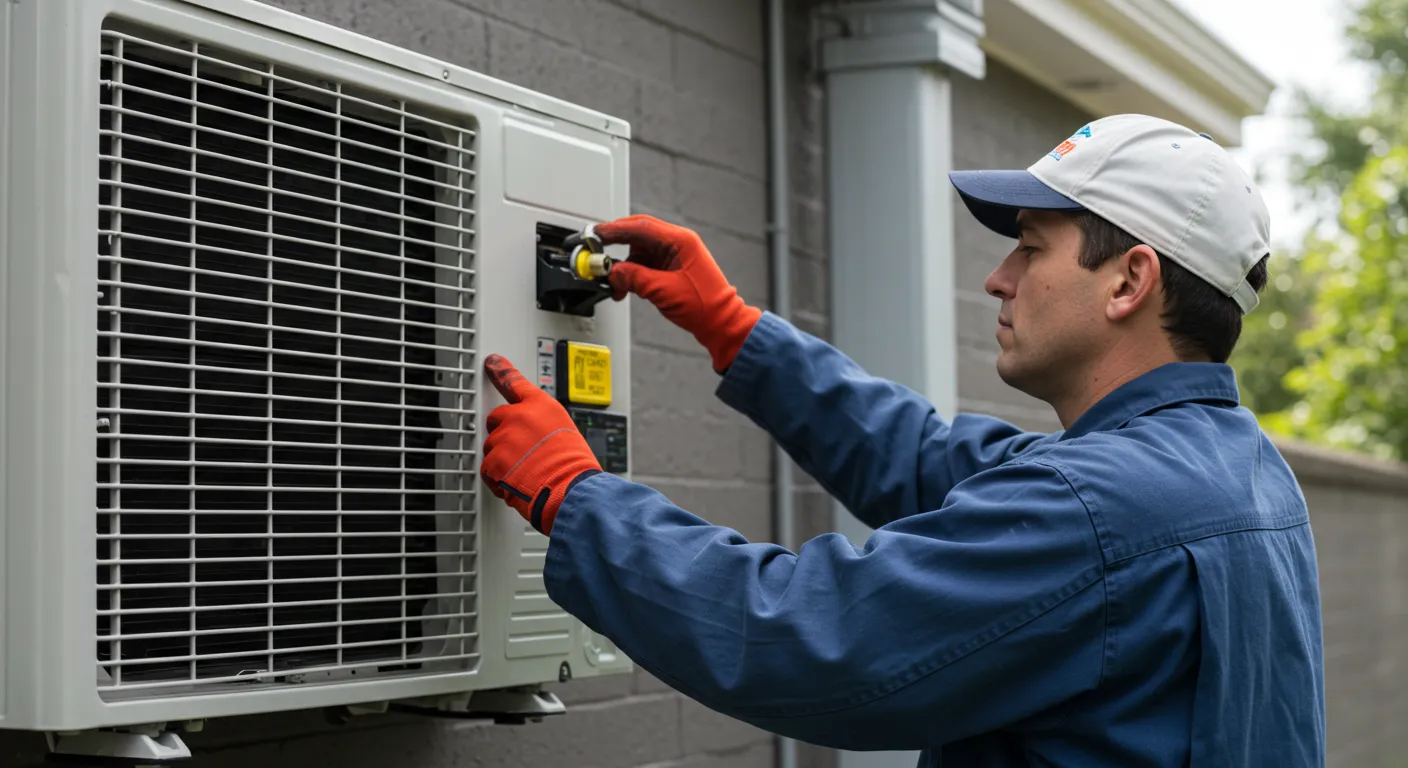
Air Conditioning Replacement in Canton, GA
Replacing an air conditioning system is one of the most impactful home investments you can make for comfort, energy savings, and reliability—especially in Canton, GA, where hot, humid summers and seasonal storms place heavy demand on cooling systems. This page explains how a professional AC replacement works in Canton homes, how technicians evaluate your existing equipment, what upgrade options make sense regionally, how removal and disposal are handled, expected timelines and warranties, and practical guidance on rebates and financing.
Why replace your AC in Canton, GA now
Canton’s long cooling season, high humidity, and occasional severe weather accelerate wear on older units. Signs that replacement is the best option include:
- Frequent breakdowns or escalating repair costs
- Uneven cooling, persistent humidity, or stale indoor air
- System age of 10–15 years or older (efficiency and refrigerant changes)
- Compressor failure or repeated refrigerant leaks
- Rising energy bills despite routine maintenanceReplacing an aging system restores reliable cooling, improves humidity control (important for mold and comfort in Canton homes), and often lowers utility bills.
How technicians evaluate your existing system
A thorough evaluation determines whether repair or replacement is the better long-term choice. Typical assessment steps:
- Visual inspection of outdoor condenser, indoor coil, ductwork, and thermostat
- Operational check for airflow, refrigerant pressures, and electrical safety
- Simple diagnostics for short-cycling, unusual noises, and compressor health
- Load calculation (a home-specific sizing analysis) to match capacity to your actual cooling needs rather than relying on outdated assumptions
- Ductwork assessment to identify leaks, improper insulation, or balancing issues that undermine new system performance
- Lifecycle and cost analysis estimating remaining useful life, likely future repairs, and energy savings from higher-efficiency models
Upgrade options and efficiency comparisons
Upgrading today means choosing technology that fits your home and budget while maximizing energy savings in Canton’s climate:
- SEER ratings: Seasonal Energy Efficiency Ratio (SEER) is the main efficiency metric. Modern systems commonly range 14–20+ SEER. Higher SEER units typically deliver bigger energy savings, especially in longer cooling seasons.
- Single-stage vs two-stage vs variable-speed compressors: Variable-speed units provide the best humidity control and consistent comfort, valuable in Canton’s humid summers. Two-stage units improve part-load efficiency and comfort over single-stage models.
- Matched systems: Replacing both the outdoor condenser and indoor coil/air handler as a matched system yields better efficiency and reliability than mixing old and new components.
- Thermostat and controls: Upgrading to a programmable or smart thermostat improves comfort control and can enhance efficiency.Estimated savings depend on the age and condition of the old unit; replacing a decade-old low-SEER system with a modern high-SEER unit can reduce cooling energy use substantially—often in the range of 20 to 40 percent—though exact savings vary by usage patterns and home envelope.
Removal, refrigerant handling, and disposal
Responsible replacement includes safe removal and legal disposal of the old system:
- Certified technicians recover refrigerant using approved recovery equipment to comply with environmental regulations.
- Salvageable materials are recycled where possible (copper, aluminum, steel), and hazardous components are disposed of according to local rules.
- Old units are disconnected, removed from the site, and the area is prepared for the new installation with minimal disruption to your property.
Installation and commissioning process
A proper installation protects efficiency and warranty coverage. Typical steps:
- Pre-install preparation: Finalize equipment selection, order components, verify permits if required by Cherokee County or local jurisdictions.
- Removal of existing equipment: Disconnect power, recover refrigerant, remove outdoor and indoor units, and prepare mounting pads and electrical hookups.
- Installation of new equipment: Set condenser unit and pad, install indoor coil/air handler, run and insulate refrigerant lines, connect electrical and controls, and install or configure thermostat.
- System charging and testing: Evacuate and charge refrigerant, verify pressures and temperatures, test safety controls, and balance airflow.
- Commissioning and walkthrough: Demonstrate operation, explain maintenance basics, and provide warranty documentation. Technicians should leave your home clean and the new system operating to specification.
For most residential full-system replacements, onsite work commonly takes one to two days. Permit processing or waiting for special-order equipment can extend the overall timeline by several days to a few weeks. Expect longer waits during peak summer demand.
Warranties and what to expect
Understanding warranties protects your investment:
- Manufacturer warranties typically cover major components and parts; limited manufacturer warranties commonly range from 5 to 10 years for major parts, with variations by model and registration requirements.
- Compressor warranties may be separate or longer on select models.
- Installation or workmanship warranties are often provided by the installing technician and commonly range from 1 to 5 years. These cover installation errors and service related to the install.Always review warranty terms for registration requirements, required maintenance intervals, and coverage limits.
Rebates, tax credits, and financing guidance
Replacing your AC can qualify for rebates and financing that improve affordability:
- Rebates and incentives: Check local utility rebate programs (many Georgia utilities and municipal programs offer rebates for high-efficiency systems) and state or federal incentives for energy-efficient equipment. ENERGY STAR qualified equipment often qualifies for additional incentives.
- Tax credits: Occasionally, residential energy-efficiency tax credits are available for qualifying systems or upgrades—verify current federal tax provisions and eligibility.
- Financing options: Common paths include dedicated HVAC financing plans, home improvement loans, HELOCs, personal loans, or payment plans offered by installers. Compare APR, term length, monthly payment, total interest paid, and any deferred-interest fine print.When evaluating offers, prioritize lifecycle cost: consider energy savings and warranty coverage in addition to monthly payment size.
Benefits after replacement and maintenance tips
A professionally installed replacement brings tangible benefits to Canton homes:
- Improved comfort and humidity control during long, muggy summers
- Lower energy bills and reduced strain on electrical service
- Quieter, more reliable operation and fewer emergency repairs
- Better indoor air quality when combined with proper filtration and duct sealing
- Potential increase in home value and appeal to buyers
Maintenance tips to protect your new system:
- Schedule professional tune-ups at least once a year, preferably before peak cooling season
- Replace or clean filters monthly to quarterly depending on use and indoor air quality
- Keep outdoor units free of debris, plants, and leaves to maintain airflow
- Address duct leaks and insulation issues early to preserve efficiency
Replacing an air conditioner in Canton, GA is about matching the right technology to your home, ensuring proper installation, and taking advantage of available rebates and warranties. A careful evaluation and professionally executed replacement deliver dependable comfort, better humidity control, and energy savings suited to Canton’s climate and homeowner needs.
Customer
Testimonials


Service Areas