Air Conditioning Repair in Cumming, GA
.webp)
Comprehensive guide to diagnosing and repairing air conditioning problems in Cumming, GA, detailing common symptoms, a step-by-step diagnostic workflow, and options for emergency and same-day service. The page explains typical repair scenarios, such as refrigerant leaks, compressor issues, blower problems, and thermostat faults, along with parts availability, labor guarantees, and warranty expectations. It also offers practical maintenance tips—seasonal tune-ups, filter replacement, duct sealing, and condensate drain care—to minimize future breakdowns and extend system life. This resource helps homeowners make informed service decisions.
Air Conditioning Repair in Cumming, GA
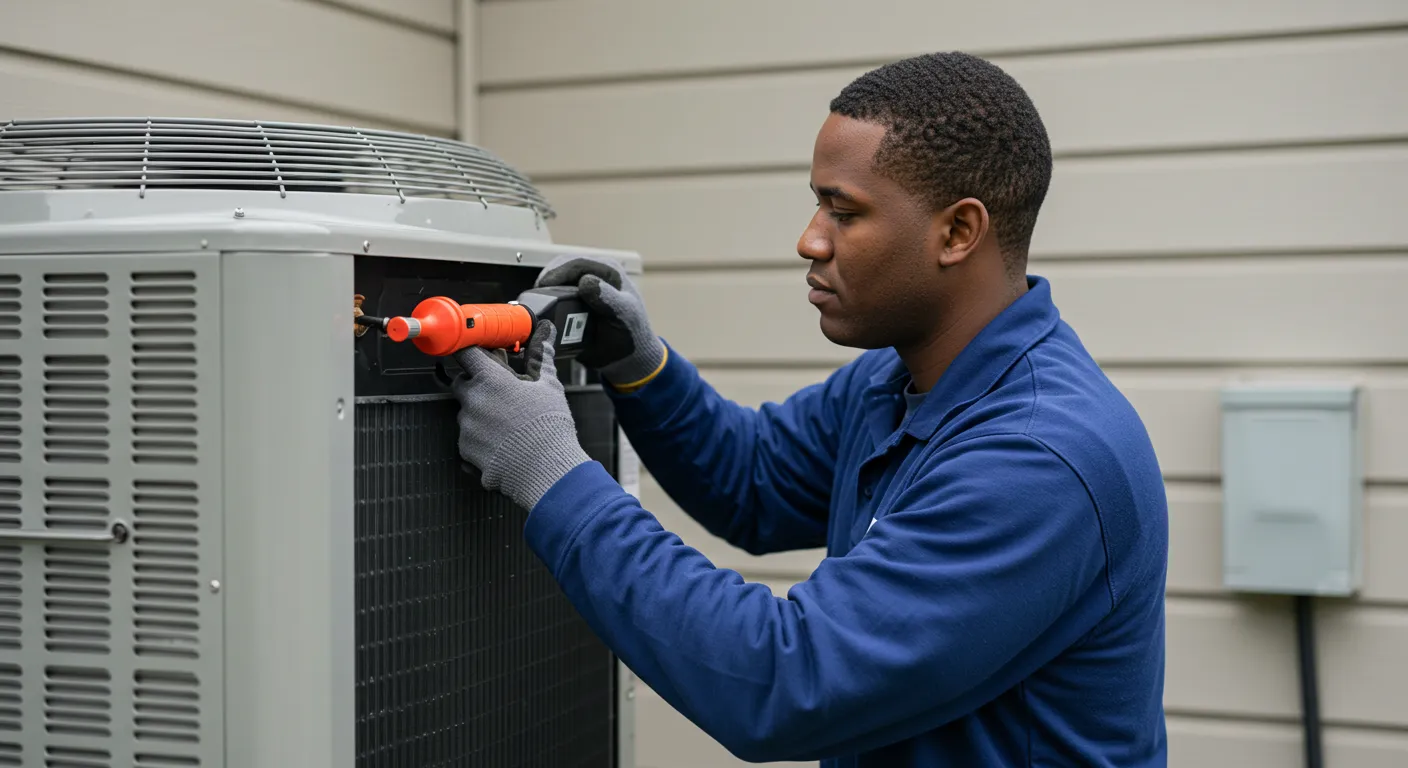
Hot, humid summers in Cumming, GA make a dependable air conditioning system essential for comfort and indoor air quality. If your AC is underperforming, cycling improperly, or making unusual noises, timely repair prevents higher-energy bills, mold growth, and complete system failure. This page explains common AC failure symptoms in Cumming homes, a step-by-step diagnostic and troubleshooting process, emergency and same-day repair options, parts availability, labor and repair guarantees, and practical tips to reduce future breakdowns.
Common AC Failure Symptoms in Cumming, GA
- No cool air or insufficient cooling: Unit runs but does not reach set temperature, often worse on humid days.
- Frequent short cycling: System turns on and off repeatedly; increases wear and energy use.
- Weak airflow from vents: Could indicate clogged filters, duct leaks, or failing blower motors.
- Frozen evaporator coil or ice on refrigerant lines: Common when airflow is restricted or refrigerant is low.
- Loud or unusual noises: Grinding, banging, or hissing can signal motor, compressor, or refrigerant issues.
- Higher than normal energy bills: Reduced efficiency from worn components, dirty coils, or refrigerant leaks.
- Water leaks or pooling near the indoor unit: Clogged condensate drain or damaged drain pan, which can lead to mold in humid climates like Cumming.
- Thermostat or control failures: System does not respond to temperature changes or displays errors.
Why Cumming’s Climate Increases AC Wear
Cumming’s high humidity and frequent thunderstorms accelerate coil corrosion, promote mold growth in drain lines, and increase the system runtime. Pollen and seasonal debris from surrounding trees can clog condensers and reduce airflow. These local conditions make regular diagnostics and fast repairs more important to maintain efficiency and indoor comfort.
Typical AC Diagnostic and Troubleshooting Process
The diagnostic process is structured to find root causes quickly and accurately while keeping you informed.
- Initial inspection and homeowner interview
- Confirm symptoms, when they started, and any recent changes.
- Check thermostat settings and power status.
- Basic safety and power checks
- Verify breakers, fuses, and disconnect switches.
- Inspect outdoor unit for visible damage, debris, or tripped safety switches.
- Airflow and filter assessment
- Inspect and measure airflow from vents.
- Check and, if necessary, replace or recommend filter replacement.
- Refrigeration system evaluation
- Measure refrigerant pressures and temperatures to detect leaks or improper charge.
- Inspect evaporator and condenser coils for dirt or corrosion.
- Electrical component testing
- Test capacitors, contactors, motors, and wiring for continuity and proper function.
- Evaluate control boards and safety switches.
- Drainage and condensate system check
- Clear and test condensate drain lines and pans to prevent leaks and microbial growth.
- System performance validation
- Run the system through a full cooling cycle and collect performance data (temperature split, run-time, cycle frequency).
- Present findings, recommended repairs, and parts required.
Common Repairs and What They Involve
- Refrigerant leak repair and recharge: Locate and repair leaks, then evacuate and recharge system to manufacturer specifications.
- Compressor replacement: Required for failed compressors; may involve partial or full system replacement depending on system age.
- Capacitor and contactor replacement: Frequent causes of sudden failure and startup problems.
- Blower motor and fan repairs: Restore adequate airflow and resolve noisy operation.
- Thermostat replacement or recalibration: Ensures accurate control and efficient cycling.
- Coil cleaning and fin repair: Improves heat transfer and reduces runtime—important in humid, pollen-prone areas.
- Drain line and condensate pan repairs: Prevent leaks and biological growth common in high-humidity regions.
Emergency and Same-Day Repair Options
In Cumming, a malfunctioning AC during heat waves or high humidity constitutes an urgent comfort and health issue. Emergency repair protocols prioritize:
- Rapid response for high-heat or no-cooling situations: Same-day appointments often available for emergencies, with technicians dispatched based on severity and availability.
- Triage on arrival: Quick assessment to stabilize the system—temporary fixes to restore cooling, followed by a thorough repair plan.
- Temporary solutions: Safe short-term repairs that restore operation while securing needed parts for permanent fixes.
Typical response times vary with demand and weather conditions, but emergency visits are prioritized for severe failures, system outages in extreme heat, or situations creating immediate risk to occupants.
Parts Availability and Repair Timelines
- Common parts stocked locally: Capacitors, contactors, blower motors, thermostats, filters, and common refrigerant fittings are typically on hand for fast repairs.
- Special order parts: Older or less common system components may require ordering and can take longer to source; technicians will provide timeline estimates during diagnosis.
- OEM vs aftermarket: OEM parts match original specifications; quality aftermarket options may be available for some components. Technicians will recommend the best balance of reliability and availability for your system.
Labor Guarantees and Warranty Expectations
- Repair workmanship guarantees: Reliable service includes a defined labor guarantee period for repairs performed.
- Parts warranties: Manufacturer warranties often cover replacement parts; combined coverage depends on the part and its manufacturer.
- Transparent documentation: Expect a written summary of repairs, replaced parts, and any warranty duration provided at the time of service.
How to Avoid Future Breakdowns in Cumming Homes
- Schedule seasonal tune-ups: Twice-yearly maintenance before cooling season for high-humidity regions reduces emergency repairs.
- Replace filters regularly: Every 1 to 3 months depending on use and indoor air quality to maintain airflow.
- Keep outdoor unit clear: Trim plant growth and remove debris seasonally; ensure at least 2 feet of clearance for proper airflow.
- Check condensate drains: Flush lines yearly to prevent clogs and mold, especially after high pollen seasons.
- Use programmable or smart thermostats: Reduce unnecessary runtime and cycling while maintaining comfort.
- Seal and insulate ducts: Improved airflow and efficiency reduce system strain.
- Monitor performance: Note unusual noises, odors, or changes in runtime and schedule prompt diagnostics.
Final Notes on Decision Factors
When choosing AC repair solutions in Cumming, GA focus on technicians who provide clear diagnostics, documented repair plans, transparent part sourcing, and defined labor warranties. Quick, informed repairs minimize downtime during hot, humid weather and protect your home from moisture-related damage. Proper maintenance and timely intervention extend system life and improve efficiency in Forsyth County’s demanding climate.
Customer
Testimonials


Service Areas