

Air Conditioning Installation in Brookhaven, GA
.webp)
Complete air conditioning installation for Brookhaven, GA homes includes on-site assessments, precise load calculations, equipment selection, permitting, and post-installation testing. Proper sizing, ductwork evaluation, and local code compliance ensure optimal comfort, energy efficiency, and system reliability. Homeowners also benefit from guidance on project timelines, warranty registration, financing options, and maintenance tips to maximize equipment life while avoiding common installation challenges unique to Brookhaven’s climate. Clear instructions help plan, budget, and achieve professional results.
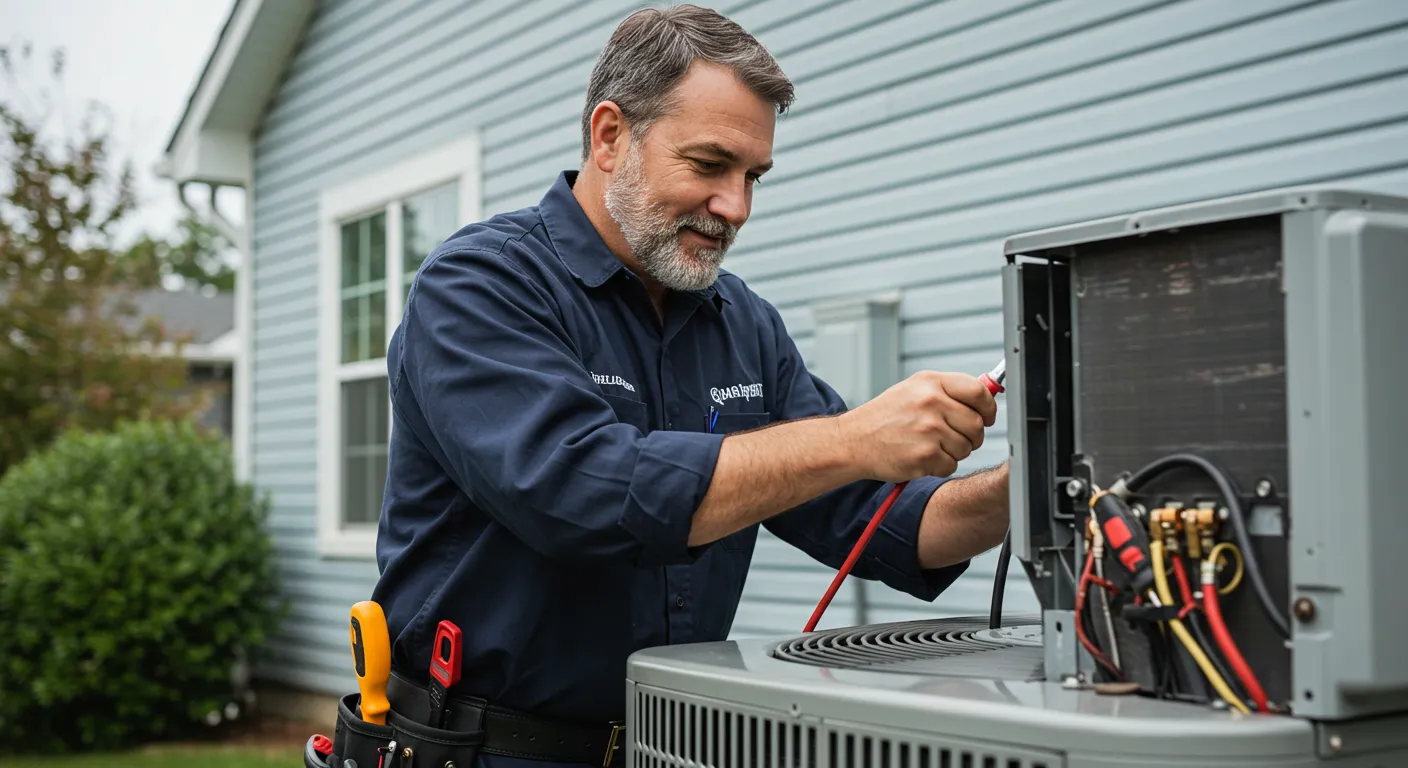
Air Conditioning Installation in Brookhaven, GA
Installing a new air conditioner is one of the most important investments you can make in your Brookhaven, GA home. With hot, humid summers and variable shoulder seasons, the right system keeps indoor temperatures comfortable, controls humidity, and reduces energy costs. This page explains the end-to-end air conditioning installation process in Brookhaven, GA, so you know what to expect, how decisions are made, and which common pitfalls to avoid when choosing and installing a new AC system.
Why professional installation matters in Brookhaven homes
Brookhaven experiences long, humid summers that increase cooling loads and strain undersized systems. Many homes in the area have older ductwork, variable attic insulation, or landscaping that affects airflow. Proper installation tailored to local conditions prevents frequent breakdowns, reduces monthly electric bills, and maintains consistent comfort through peak heat. A correctly sized and installed system also helps reduce indoor humidity — a major comfort and mold-prevention factor in our climate.
Common air conditioning installation issues in Brookhaven, GA
- Incorrect sizing: An oversized unit cycles too frequently, increasing wear and humidity problems. An undersized unit runs continuously and fails to cool consistently.
- Poor ductwork and airflow: Leaky, undersized, or poorly sealed ducts reduce efficiency and comfort in specific rooms.
- Improper refrigerant charge or airflow balance: This reduces efficiency and shortens equipment life.
- Lack of permit or code compliance: Missing permits or failure to meet local energy code can result in rework or failed inspections.
- Incompatible equipment choices: Choosing a unit without considering home layout, insulation, or thermostat control can waste performance potential.
On-site assessment and load calculations
A thorough, professional installation begins with a detailed on-site assessment and industry-standard load calculations. This includes:
- Evaluating home size, orientation, window types, insulation levels, attic ventilation, and tree cover.
- Inspecting existing ductwork, electrical service, and condenser pad location.
- Performing load calculations (often called Manual J) to determine the exact cooling capacity your home needs rather than relying on rules of thumb.
Accurate load calculations are the foundation of long-term comfort and efficiency in Brookhaven homes where humidity and solar gain can significantly change the cooling requirements.
Equipment selection: SEER, system type, and features
Selecting the right equipment means balancing performance, efficiency, and the specific needs of your home. Key considerations include:
- Efficiency ratings (SEER): Higher SEER ratings provide greater efficiency. Brookhaven homeowners often benefit from mid to high SEER units because of long cooling seasons, but selection should match budget and expected energy savings.
- System type: Central split systems, packaged units, and heat pumps each have advantages. Heat pumps are common in the Atlanta metro area for their year-round efficiency.
- Compressor type: Single stage, two stage, and variable speed compressors affect comfort and humidity control. Variable speed systems provide better dehumidification and steadier temperatures.
- Compatibility: Confirm the new unit works with existing ductwork and thermostat systems, or plan for necessary upgrades.
Equipment selection should also consider local incentives and long-term maintenance, plus manufacturer warranty differences.
Permits, inspections, and code compliance
Brookhaven requires proper permits for major HVAC work and inspections to ensure installations meet safety and energy codes. A compliant installation typically includes:
- Obtaining city or county permits before work begins.
- Meeting electrical, refrigerant handling, and mechanical code requirements.
- Preparing for an inspection to verify proper installation, safe electrical connections, and correct refrigerant charging.
Handling permits and inspections up front prevents delays and avoids costly rework.
Typical installation timeline and procedures
Installation time depends on scope. A straightforward replacement can often be completed in one day, while a full system change with ductwork modification may take two to three days. Standard procedures include:
- Site preparation and safety checks.
- Removal of old equipment and hauling off debris.
- Modifying or repairing ductwork and electrical connections as needed.
- Setting and securing the outdoor unit on a pad or platform.
- Installing indoor coil or air handler and connecting refrigerant lines and electrical circuits.
- Evacuating and charging the refrigerant system to manufacturer specifications.
- Sealing and insulating duct penetrations and testing airflow.
Technicians should follow manufacturer installation requirements to protect warranties and ensure peak performance.
Post-installation testing and verification
After installation, rigorous testing verifies performance and safety:
- Measuring refrigerant pressures and charge to ensure optimal efficiency.
- Testing airflow and static pressure to confirm proper distribution.
- Verifying electrical connections, amperage, and safety controls.
- Calibrating the thermostat and testing system cycles.
- Checking condensate drainage and secondary safety measures.
A documented test report showing measured values and system settings helps homeowners understand performance and supports warranty claims.
Warranties and registration
New equipment usually includes a manufacturer parts warranty, and professional installations often include a labor warranty. Important points:
- Register equipment with the manufacturer to activate full warranty coverage.
- Understand the difference between parts warranty and labor warranty and the duration of each.
- Keep records of purchase, install documentation, and maintenance for warranty claims.
Ask about extended warranty options if you plan to stay in your home long term.
Financing and rebate assistance in Brookhaven
Many homeowners use financing to spread installation costs. Installers familiar with local programs can explain options such as:
- Utility rebates or efficiency incentives available through local power providers.
- Federal or state tax credits for high-efficiency equipment when applicable.
- Low-interest financing plans tailored for home energy improvements.
Checking local utility programs and available rebates in Brookhaven can reduce upfront costs and improve long-term savings.
Long-term benefits and maintenance advice
The right installation delivers consistent comfort, lower energy bills, better indoor air quality, and longer equipment life. To protect your investment:
- Change filters regularly and use MERV-rated filters appropriate for your system.
- Schedule annual maintenance, ideally before the cooling season.
- Keep at least two feet of clearance around the outdoor unit and trim nearby vegetation.
- Seal and insulate attic access and duct penetrations to minimize load.
Proper maintenance preserves efficiency and reduces the chance of mid-summer breakdowns in Brookhaven’s demanding climate.
Final considerations for Brookhaven homeowners
Air conditioning installation in Brookhaven, GA should be a carefully planned, code-compliant process tailored to local climate and home conditions. Prioritize accurate load calculations, appropriate SEER selection, compliant permits, and thorough post-install testing. Doing so ensures reliable comfort, better humidity control, and energy savings throughout the long cooling season.
Customer
Testimonials


Service Areas